Furnace Exhaust Pipe: What PVC Venting Does and Warning Signs to Watch
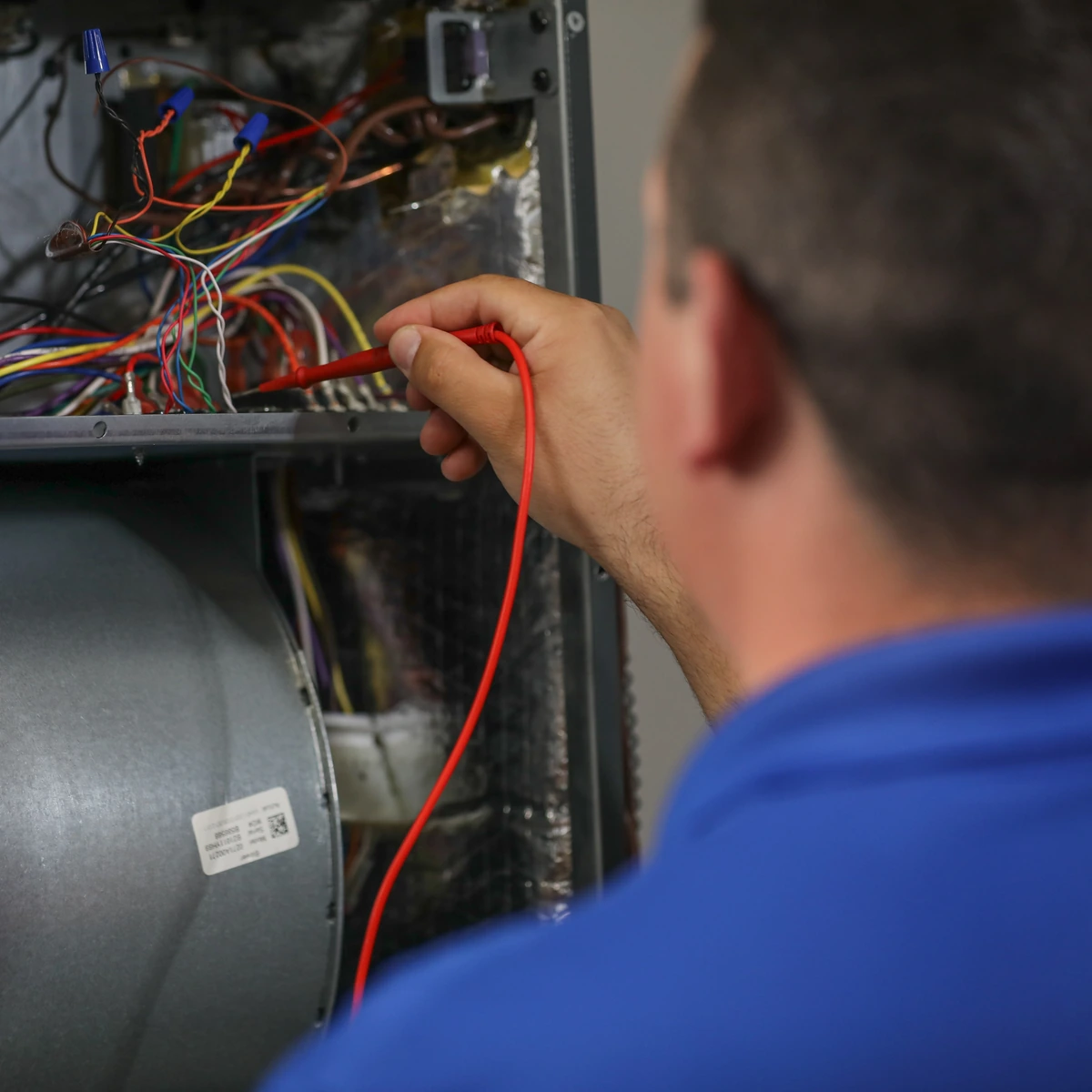
If your home uses a gas furnace, your maintenance tune-ups are essential for preventing potentially dangerous furnace problems. Gas furnaces rely on combustion to heat the air, which produces combustion byproducts, such as carbon monoxide. Your furnace exhaust pipe is normally responsible for directing these byproducts outside your home. Because of this, it’s essential to get help as soon as you think you notice signs of an issue.
What Does a Furnace Exhaust Pipe Do?
Your furnace exhaust pipe plays an integral role in the safety and efficiency of your home’s heating, ventilation, and air conditioning (HVAC) system. If it isn’t working properly, the increased carbon monoxide levels can be life-threatening.
Removes Combustion Gases From the Home
PVC venting is designed for modern, high-efficiency furnaces. It consists of an intake and an exhaust pipe. The exhaust system removes combustion gases while condensate is drained through the condensate system. Because high-efficiency furnaces have cooler exhaust gases, they can safely use PVC pipes to vent the gas and liquid.
Why Carbon Monoxide Safety Matters
Carbon monoxide is a byproduct of combustion. It is completely odorless and colorless, which is why it poses such a risk. If your exhaust pipe has a leak, dangerous levels of carbon monoxide can build up.
Helps the Furnace Operate Safely and Efficiently
The exhaust pipe is an essential part of your unit. Without it, carbon monoxide could end up in your home.
How Blocked Venting Can Trigger Shutdowns
Because of the risk of carbon monoxide and combustion byproducts, there are certain safety mechanisms set up to protect the unit from potential damage and your family from gas buildup. When the vent pipe or flue is blocked, it affects the draft inducer fan’s vacuum pressure. In turn, this causes the pressure switch to shut off your furnace.
Why Some Furnaces Use PVC Exhaust Pipes
You’ll typically see PVC used in modern high-efficiency and condensing furnaces because these designs have cooler exhaust.
High-Efficiency Furnaces Produce Cooler Exhaust
High-efficiency furnaces generally have AFUE ratings of 90% or higher, while premium models may reach 95% or more. This is an improvement over traditional furnaces, which have a baseline AFUE of 80%.
These higher efficiencies are obtained by using more of the furnace’s heat. Instead of letting heat leave the furnace through the exhaust, the high-efficiency furnace uses this heat to warm your home. As a result, high-efficiency furnaces produce a cooler exhaust.
Why PVC or CPVC Can Be Used for Condensing Furnaces
A cooler exhaust means that plastic materials, like PVC or CPVC, can be used. Normally, CPVC is used for warmer areas next to the furnace, while PVC can be used for the rest of the exhaust pipe.
PVC Handles Condensation From High-Efficiency Systems
PVC pipes are extremely durable, which is one reason they are the material of choice for high-efficiency systems. They’re also capable of handling acidic liquids, such as the condensation that comes from your furnace.
Why Condensate Drainage and Pipe Slope Matter
Because your furnace creates condensate, the pipe needs to have the appropriate slope so that it drains away from your unit.
PVC Venting Is Not for Every Furnace
While PVC venting is durable and an effective choice for high-efficiency furnaces, it is not ideal for standard units.
Why Older Standard-Efficiency Furnaces Usually Use Metal Venting
On older furnaces, the system was designed to let heat escape. Like chimneys, the vents relied on hot air to rise and lift the combustion gases out of your home. Because the heat remains in the exhaust gas, these furnaces cannot use heat-sensitive PVC pipes.
In comparison, high-efficiency furnaces remove so much of the exhaust heat that the combustion byproducts condense into a cool liquid. Because the temperature is so much lower, PVC venting can be used to transfer these byproducts outdoors.
PVC Furnace Venting vs. Metal Furnace Venting
While a high-efficiency furnace is set up with a two-pipe direct venting system and PVC exhaust, standard furnaces rely on metal flues and chimney venting.
High-Efficiency Furnace Venting
Most high-efficiency furnaces rely on a two-pipe direct vent system so that the condensate can be vented outside of your home.
Sidewall Venting
An inducer fan helps move exhaust gases outdoors. Because the system uses induced draft rather than natural draft, the pipes can run horizontally.
Two-Pipe Direct Vent Systems
High-efficiency units generally use two pipes. One pipe brings in fresh air, while the other pipe vents the combustion gases.
Condensate Drainage Requirements
Combustion gases in condensing furnaces create acidic condensate as they cool. Because of this, your system needs the appropriate slope so that the condensate can be drained away and neutralized before it enters your plumbing system.
Standard-Efficiency Furnace Venting
A standard-efficiency furnace has hotter temperatures, which is why it relies on metal instead of PVC.
Hotter Exhaust Temperatures
Because the exhaust air is hot, it rises upward. As a result, the chimney vent and flues will generally be set up so that they exit your roof.
Metal Flues and Chimney Venting
Metal flues are necessary because of the hot exhaust temperature. Often, these flues are made out of Type B vent pipe or other galvanized metal venting materials.
Warning Signs of Furnace Exhaust Pipe Problems
If you notice any of the following symptoms, you may be having issues with your exhaust pipe.
Exhaust or Burning Odors
When an exhaust leak occurs, you may notice the smell of something burning.
Rust or Corrosion Near the Furnace
Over time, metal pipes can corrode. Once this occurs, you’ll likely need a replacement.
Water Leaks or Condensation Around the Pipe
Other than a leak in the pipe, the presence of condensation and water may be due to slope-related issues or a blocked pipe. The condensate is acidic, so it shouldn’t be allowed to escape your system.
Soot Around Vents or Furnace Components
The presence of soot means your exhaust is backdrafting in your home, which is an immediate safety issue.
Furnace Short Cycling or Shutting Off
Short cycling may be connected to a blocked exhaust pipe or the pressure switch. Both of these issues require a professional diagnosis.
Weak Heating Performance
Poor heating performance is a sign that something is wrong with your furnace. Timely repairs can prevent minor problems from escalating into costly breakdowns.
Visible Cracks, Loose Connections, or Blockages
Any cracks, loose connections, or blockages could allow toxic exhaust gases to get into your home.
Common Causes of Furnace Venting Problems
There are a few frequent reasons why venting problems occur.
Blocked Outdoor Vent Openings
If the outdoor vent is blocked, it can cause exhaust gases to end up in your home.
Leaves, Nests, Snow, or Debris
This type of problem can occur from bird nests, snow, or a range of other causes.
Improper Pipe Slope
You can think of the pipe’s slope like a small hill. If the hill isn’t steep enough, the liquid won’t flow away.
Condensate Pooling Inside the Vent
You can tell if there is an improper slope because there will be condensate pooling inside the vent.
Cracked or Disconnected Vent Pipes
Any damaged vent pipes need to be dealt with immediately. Turn off your unit until an HVAC technician can repair the issue.
Why Loose Joints Are a Safety Concern
Loose joints allow exhaust to escape, which represents an immediate safety hazard for your family.
Aging or Corroded Vent Materials
Over time, aging and corroded materials can develop cracks. Because the damage can allow exhaust gas to enter your home, it should be repaired promptly.
What Homeowners Can Safely Check
As a homeowner, there are a few troubleshooting tips you can do on your own before you reach out for professional help.
Look at Outdoor Vent Openings
Inspect and remove blockages in your vent openings.
Check for Water Around the Furnace
Note any water around your furnace. When you call for help, mention this issue to the HVAC technician.
Listen for Unusual Startup Noises
Odd sounds can help an HVAC technician diagnose the problem. For example, a continuous clicking sound may mean your furnace’s igniters aren’t working properly.
Watch for Error Codes or Repeated Shutdowns
Repeated shutdowns can occur if your furnace overheats or the pressure switch is triggered. Similarly, error codes are a clear sign that something is wrong.
Confirm Carbon Monoxide Detectors Are Working
For the safety of your home and family, it’s important to test your carbon monoxide detectors at least once a month.
When To Call a Professional
You should immediately stop using your furnace and call for help if you notice any of the following symptoms.
Carbon Monoxide Alarm Goes Off
Your carbon monoxide alarm going off means carbon monoxide is present. Leave your home immediately and contact emergency services or your gas utility to investigate the source. Then, call our HVAC team for help. If it is safe to do so, you should shut off the furnace.
You Smell Exhaust or Gas
You should immediately evacuate your home and call your local gas company if you smell exhaust or gas. Turn off your furnace if you can do so safely.
Furnace Keeps Shutting Down
When your furnace keeps shutting down, it may be due to overheating or the pressure switch getting triggered. These issues may damage your furnace and lead to potential safety risks, so stop using your furnace and call for help.
You See Rust, Soot, Water, or Pipe Damage
Any rust, soot, water, or pipe damage should be addressed by a professional.
You Are Unsure Whether the Venting Was Installed Correctly
Poor venting can put your family at risk, so you should immediately evacuate the area and call for help if there are any venting issues.
Final Safety Recommendation
Because of how important furnace venting and exhaust pipes are, you should immediately seek help if they aren’t working properly. Our HVAC team offers same-day services and emergency repairs, so you can get help as soon as you need it.
Do Not Ignore Furnace Venting Issues
For the safety of your home and loved ones, you should never ignore furnace venting issues. Our team can evaluate your furnace venting and determine if any changes are needed.
Schedule Annual Furnace Maintenance and Vent Inspection
If your furnace exhaust pipe is broken, our team can help. We can conduct a full vent inspection, so you can enjoy peace of mind. Plus, our annual furnace maintenance services can help you prevent future issues and detect problems before they escalate.
Learn more about furnace maintenance and repairs by reaching out to Fox Family Heating & Air Conditioning today.