What Is a Furnace Limit Switch and What Happens When It Fails?
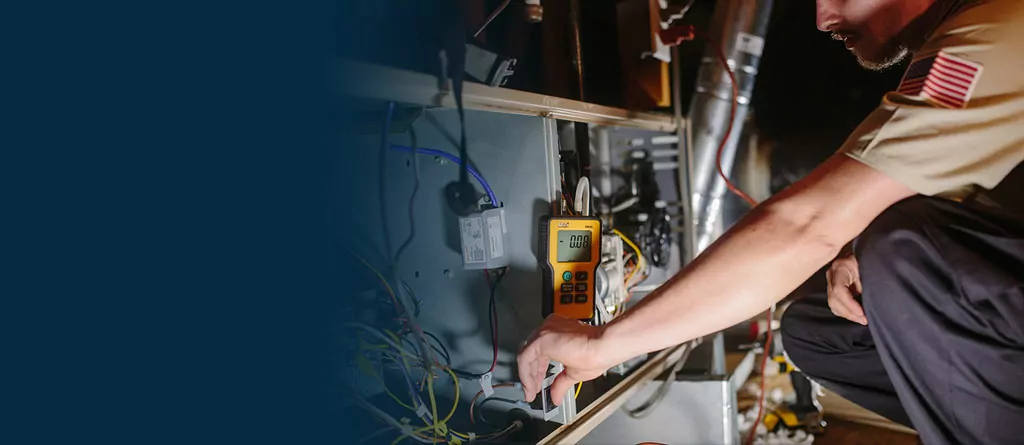
When your furnace fan keeps running, the furnace shuts off prematurely, or your system won’t heat properly, the furnace limit switch may be responsible. This small safety and control feature is necessary for your comfort, efficiency, and safety. By understanding how it works and what happens if it fails, you can figure out if your switch is faulty and what you can do about it.
What Is a Furnace Limit Switch?
A furnace limit switch is a temperature-sensitive control that is installed near your furnace’s heat exchanger or supply plenum. It is responsible for monitoring the internal furnace temperature. Sometimes, you may hear the switch referred to as a high limit switch or fan limit switch.
In most modern furnace designs, this switch has two functions. During normal operation, it turns the blower fan on and off at the appropriate points in the heating cycle. If your furnace gets too hot, it is also responsible for shutting down the burners.
How Does a Furnace Limit Switch Work?
During a normal heating cycle, the process begins when the thermostat calls for heat. The burners ignite to warm the heat exchanger. Once the limit switch senses that the furnace is warm enough, it signals the blower fan to turn on through a temperature-sensitive fan control or the furnace’s control board. Then, the fan sends warm air into your home.
When the thermostat registers that your home is at the right temperature, it signals the burners to turn off. The blower may continue running briefly to cool down the furnace to a safe temperature.
Sometimes, the furnace’s temperature gets too high. In this situation, the switch will open the circuit and shut down the burner operation. This prevents overheating and protects your furnace from damage.
Why the Furnace Limit Switch Matters
Your limit switch matters because it’s an important safety feature. It prevents damage to the heat exchanger and overheating.
It also offers comfort and efficiency benefits. By controlling the blower, it keeps the blower from pushing cold air into your home before the furnace has warmed up adequately. Limiting the blower’s operations also reduces your energy use. If the switch begins to fail, it can cause increased wear on your blower motor, burners, and other furnace parts.
What Happens When a Furnace Limit Switch Fails?
If your furnace limit switch fails, it may become stuck open or closed. The symptoms you experience will depend on how it fails and if the furnace is overheating or misreading the temperature.
A limit switch that becomes stuck open will lose electrical continuity. The furnace may think it’s overheating, preventing burner operation and potentially causing the fan to run continuously. If the limit switch fails in a closed position, the circuit is permanently completed. This causes the blower to remain on, resulting in increased wear and unnecessary energy usage. If the furnace does overheat, this poses a major safety risk because the limit switch can’t cut power to the burners.
Common Signs of a Bad Furnace Limit Switch
When a furnace limit switch is faulty, it often causes the following symptoms.
The Blower Fan Runs Constantly
A faulty limit control or an overheating condition can cause the blower to keep running after the heating cycle ends, resulting in wasted energy and a drafty home.
The Furnace Will Not Start or Ignite
If the switch signals an overheating condition, the furnace may lock out the ignition for your safety. Often, homeowners will hear the system trying to start, but the furnace won’t produce any heat.
The Furnace Short Cycles
Short cycling is when a furnace turns on and off more frequently than normal. A limit switch may cause short cycling if it trips because of faulty temperature sensing or actual overheating.
Cold Air Comes From the Vents
Cold air can come from your vents if the switch triggers the blower to start too early or to run after the burner shuts down. If you put your hand to a vent, the air will feel cold.
Weak or No Airflow
When the blower doesn’t turn on, it can be due to the limit switch not signaling the blower properly or to a failed blower-related component. It’s also important to note that airflow issues can cause the limit switch to trip.
The Furnace Overheats or Shuts Down for Safety
Overheating is a serious symptom of a faulty limit switch. If your furnace is overheating, you may notice error codes, burning odors, frequent shutdowns, or a system that struggles to remain on.
What Causes a Furnace Limit Switch to Trip?
A furnace limit switch can trip because of a few common issues.
- Restricted airflow due to a dirty air filter
- Blocked return vents
- Closed or blocked supply vents
- Malfunctioning blower capacitors
- Dirty blower wheels
- Faulty blower motors
- Ductwork restrictions
- Dirty evaporator coil
- Overfiring or combustion issues
- Aging furnace components
- Electrical failure at the switch
Can You Reset or Bypass a Furnace Limit Switch?
No, you should never bypass the furnace limit switch. If your furnace has a manual-reset limit switch, do not repeatedly reset it without having the cause of the trip diagnosed. The limit switch is a safety feature, so bypassing it places your home and family at risk. Repeated tripping can indicate overheating, an airflow issue, a mechanical problem, or a problem with the switch or its electrical circuit. If your furnace continues to shut down, you should turn the system off and schedule professional service.
What Homeowners Can Check First
Sacramento homeowners can take a few basic steps to troubleshoot before they call for repairs.
- Replace your furnace filter if it is dirty.
- Verify that your supply and return vents are open and unobstructed.
- Check your thermostat settings to make sure the temperature is correctly set.
- Make sure the blower fan is set to “Auto” and not “On.”
- Note any unusual smells, noises, error codes, or repeated shutdowns.
You should immediately stop using your unit and call for help if you notice burning odors, symptoms of repeated overheating, gas odors, or carbon monoxide (CO) alarms. If the CO alarm goes off, you should immediately leave your home and seek emergency help.
How an HVAC Technician Diagnoses the Problem
Once you reach out to Fox Family Heating & Air Conditioning for help, our team will work quickly to diagnose the underlying cause of the problem. Because many of these symptoms can be caused by other issues as well, we’ll inspect the full heating system and not just the switch.
- Check the unit’s filter and airflow.
- Inspect the blower components.
- Test the thermostat.
- Inspect your heat exchanger and safety controls.
- Check your furnace’s error codes.
- Test the limit switch to see if it is functioning properly.
- Determine which replacement part may be needed.
If the limit switch is the problem, we’ll make sure to select a switch that matches your furnace’s temperature rating and design.
How Furnace Maintenance Helps Prevent Limit Switch Problems
Often, many limit switch issues stem from poor airflow and neglected maintenance. Through our HVAC Maintenance Club, you can get a complimentary tune-up service that helps you identify worn parts before they fail. During a tune-up, our technician will inspect your system, clean major components, check the blower operation, and inspect your safety controls. We’ll replace dirty filters and worn belts as needed. Through timely maintenance, you can enjoy better efficiency, safer HVAC operations, fewer breakdowns, and enhanced furnace longevity.
When To Call Fox Family Heating & Air Conditioning
If you notice any of the following symptoms, we recommend calling our HVAC technicians right away for help.
- The blower fan won’t turn off.
- Your furnace keeps short cycling.
- The furnace won’t ignite.
- Your home has uneven or inadequate heat.
- The safety limit switch keeps tripping.
- Your heating bills have increased without a corresponding rise in usage
Fox Family is a leading furnace repair and maintenance provider in Rancho Cordova, Sacramento, and Northern California. Our experienced technicians offer fast, same-day service and upfront pricing on all of our safety-focused repairs.
FAQs
Over the years, we’ve fielded a few common questions about furnace limit switches.
What does a furnace limit switch do?
A furnace limit switch is responsible for monitoring the furnace’s temperature and controlling the blower fan operation. If the furnace gets too hot, the limit switch shuts the burners off.
What are the signs of a bad furnace limit switch?
A bad limit switch may cause the blower fan to run nonstop, prevent the furnace from igniting, or cause the furnace to short cycle. You may notice weak airflow or cold air coming from the vents. Additionally, faulty switches can result in overheating shutdowns.
Can I run my furnace with a bad limit switch?
No. Limit switches are an essential safety feature. If the limit switch isn’t working, trying to bypass it can lead to overheating and heat exchanger damage.
Why does my furnace blower keep running?
Your blower fan may keep running if it is set to “On.” This same symptom can also occur if the limit switch is misreading the temperature or is stuck in place. Additionally, the blower may continue running if the furnace is overheating, helping cool the system after the limit switch opens.
Who should I call for furnace limit switch repair in Sacramento?
If you need furnace limit switch repair in Sacramento, Rancho Cordova, or Northern California, Fox Family Heating & Air Conditioning offers the same-day services and experienced technicians you need.
Optimize Your Furnace Performance
When a furnace’s blower fan stays on or the unit short cycles, it’s important to schedule service right away. Fox Family Heating & Air Conditioning can determine why your unit isn’t heating safely and find the right solution.
Call 916-877-1577 or request furnace repair and maintenance appointments online.