Why Your AC Is Running But Not Cooling
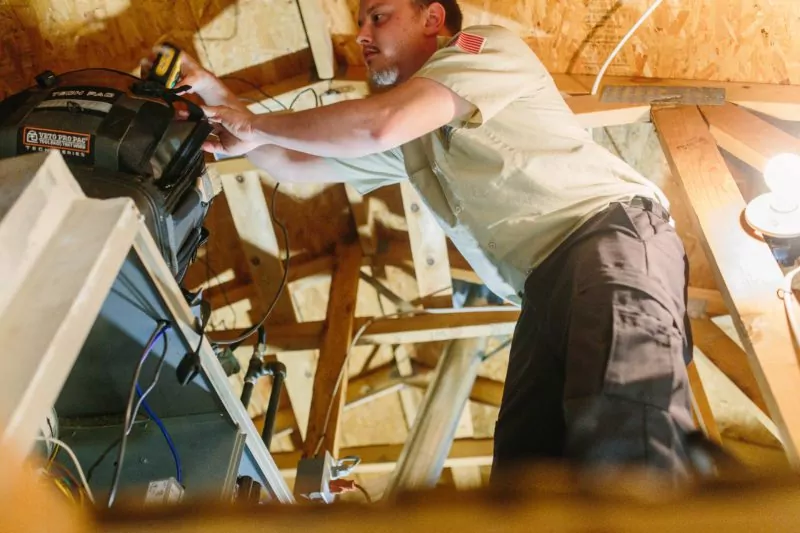
When your air conditioner runs for hours but the house still feels warm, it can be incredibly frustrating. Here in the Sacramento area, where summer days regularly reach the high 90s and often climb over 100 degrees, losing cooling is more than an inconvenience. It affects sleep, health, and comfort for everyone in your home.
At Fox Family Heating and Air Conditioning, this is one of the most common summer calls our technicians handle in Rancho Cordova, Sacramento, and across Northern California. In this article, you will learn what to check safely on your own, the most likely reasons your AC is running but not cooling, and when it is time to bring in a professional.
Safety note: Air conditioners contain high-voltage electricity and refrigerant under pressure. If you are not completely comfortable working around electrical components or removing the covers on your system, stop at the basic checks in this article and call a licensed HVAC technician.
Quick Checks Before You Call for Service
Before assuming something major is wrong, there are a few simple items you can inspect as a homeowner. These checks are safe and often resolve the issue without a service call.
1. Confirm the Thermostat Settings
- Make sure the thermostat is set to “Cool” and not “Fan” or “Heat”.
- Verify the set temperature is at least 3 to 5 degrees lower than the current indoor temperature.
- If your thermostat has batteries, replace them and see if the display or behavior changes.
- For smart thermostats, confirm that any schedules or eco settings are not limiting cooling.
If the indoor fan is blowing room temperature air and the outdoor unit is running, the thermostat is probably sending the cooling signal correctly, but it is still worth ruling out this simple cause first.
2. Check and Replace the Air Filter
A dirty air filter is one of the most common reasons we see for poor cooling performance. When the filter is clogged, airflow across the indoor coil drops, which can cause the coil to freeze and dramatically reduce cooling.
- Locate every return air filter in your home, including any large media filter near the indoor unit in a closet, garage, or attic.
- If the filter looks gray, matted, or clogged with dust, replace it with the correct size and type.
- In Sacramento’s dusty summer conditions, most homes do well with filter changes every 1 to 3 months, depending on pets and dust levels.
After replacing a very dirty filter, give the system a couple of hours to recover. If the indoor coil was frozen, it may need time to thaw completely before cooling improves.
3. Make Sure Supply and Return Vents Are Open
Walk through your home and look for:
- Supply vents that are closed or covered by furniture, rugs, or curtains.
- Return grilles that are blocked by furniture or stacked items.
Closing too many supply vents can cause high static pressure in the duct system, which stresses the equipment and reduces cooling. All return vents need a clear path so your system can breathe.
4. Check Your Electrical Panel and Outdoor Disconnect
If the indoor blower is running but you do not hear the outdoor unit, check:
- The circuit breakers labeled “AC”, “Air Conditioner”, or “Condenser” in your main electrical panel. If a breaker is tripped, reset it once by turning it fully off, then back on.
- The outdoor disconnect box near the condenser. Make sure the pull-out handle or switch is fully inserted and in the “On” position.
If the breaker trips again immediately or within a few minutes, do not keep resetting it. Repeated trips are usually a sign of an electrical or mechanical problem that needs professional diagnosis.
5. Inspect the Outdoor Unit for Obstructions
The outdoor unit needs plenty of airflow to reject heat from your home. On a Sacramento summer afternoon, that unit works hard to move heat into the already hot outdoor air.
- Make sure there is at least 2 to 3 feet of clear space around the condenser.
- Trim back bushes and remove leaves, grass clippings, or debris from the coil and top fan area.
- Gently rinse the outside coil fins with a garden hose from the top down and outside in. Do not use a pressure washer, which can bend the fins.
If these quick checks do not restore cooling, the problem is likely inside the equipment and will require tools, gauges, and training to diagnose safely.
Common Reasons an AC Runs but Does Not Cool
When your thermostat is calling for cooling and the system appears to be running, but the air inside is not getting cooler, one or more components in the refrigeration or airflow system is not doing its job.
Below are some of the most common issues our technicians see during summer service calls in the Sacramento Valley.
Low Refrigerant Charge or Refrigerant Leaks
Your air conditioner relies on a precise amount of refrigerant to absorb heat indoors and reject it outdoors. If there is a leak, the system may still run, but cooling capacity drops and you may notice:
- Longer run times without reaching the set temperature.
- Ice buildup on the refrigerant lines or indoor coil.
- Warm or barely cool air from the supply vents.
Because refrigerant operates under pressure and requires EPA certification to handle, homeowners should not attempt to add or adjust it. A Fox Family Heating and Air Conditioning technician will connect gauges, measure superheat and subcooling, and determine whether the system is undercharged, overcharged, or restricted.
If the system uses older R 22 refrigerant, repairs can be expensive because R 22 production and import were phased out in the United States in 2020 under EPA rules, so only reclaimed R 22 can legally be used today. Many homeowners in this situation choose to discuss replacement options rather than investing heavily in an older system.
Dirty Outdoor Condenser Coil
Even if the fan on top of the outdoor unit is spinning, the system cannot release heat efficiently if the coil is packed with dirt, cottonwood fluff, or grass clippings. This forces the compressor to work harder, raises operating pressures, and can eventually lead to overheating and safety shutdowns.
Symptoms can include:
- Hot air blowing out of the top of the outdoor unit that feels more like a hair dryer than a gentle warm breeze.
- Very warm air coming from your supply vents indoors.
- The outdoor unit running for long periods without shutting off.
Professional cleaning goes beyond a quick rinse. Our technicians often remove the top section, protect the electrical components, and use the right coil cleaner and water pressure to clean from the inside out without damaging the fins.
Frozen Indoor Evaporator Coil
If the coil above your furnace or air handler freezes, airflow drops and the air coming from the vents may feel weak or warm. This often ties back to:
- Very dirty filters or blocked returns.
- Extremely dirty indoor coils.
- Low refrigerant charge.
- Blower motor problems.
Signs of a frozen coil include ice on the copper refrigerant lines near the indoor unit and water on the floor once the ice begins to melt. If you suspect a frozen coil:
- Turn the thermostat to “Off”.
- Turn the fan setting to “On” to help thaw the coil.
- Give the system several hours to fully defrost before attempting to run cooling again.
If the coil freezes again after restart, you will need a professional to identify the root cause.
Blower Motor or Fan Problems
The indoor blower is responsible for moving air across the cold coil and through your ductwork. If the blower is not running at full speed, or if the fan motor in the outdoor unit is weak, you may notice:
- Very weak airflow from supply vents.
- Unusual noises from the indoor unit or condenser.
- Hot outdoor unit cabinet and short cycling.
Blower and condenser fan motors operate on high voltage and rely on capacitors and controls that should only be tested and replaced by trained technicians. Our team uses meters and manufacturer data to compare actual amp draws to the rated values on the data plate and determine whether the motor is healthy.
Electrical and Control Issues
Sometimes everything looks normal from the outside, but the compressor is not actually starting. This can happen even when the outdoor fan is running, which gives the impression that the system is working.
Common electrical problems include:
- Failed start or run capacitors.
- Loose, burned, or corroded wiring connections at the compressor or contactor.
- Weak breakers or disconnects that cause voltage drop under load.
- Control board or thermostat signal issues.
Diagnosing these problems safely requires live voltage measurements and resistance checks at the right test points. Our technicians follow a structured flow chart, checking capacitors, wiring, and compressor windings in a specific sequence to avoid missed problems and repeat failures.
Failing or Overheating Compressor
The compressor is the heart of your air conditioner. When it overheats, gets stuck on startup, or begins to fail mechanically, the system may:
- Trip the breaker repeatedly.
- Run the outdoor fan while the compressor remains silent.
- Draw unusually high amps compared to the Rated Load Amps (RLA) on the nameplate.
In some cases, a hard start kit can temporarily help a compressor that is struggling on startup, especially on the first hot day of the season after sitting idle all winter. When our technicians recommend this, we also explain that the compressor is likely in the later stage of its life and that future repairs or replacement should be anticipated.
If the compressor is severely worn, damaged internally, or has burned terminals, replacement of the entire outdoor unit is often the most practical solution.
Outdoor Unit Issues You Might Notice
When you stand near the outdoor unit, a few simple observations can help you describe the problem clearly to your technician.
Ask yourself questions like:
- Do you hear the fan but not a deeper humming sound from the compressor?
- Is there a loud buzzing, chattering, or grinding noise?
- Does the unit start, then shut off again after only a few minutes?
Sharing these details when you call can help our team arrive with the right parts and expectations.
Common outdoor unit issues include:
- Dirty or damaged condenser coil.
- Fan motor that starts slowly or stops intermittently.
- Debris interfering with the fan blades.
- Panels or covers that have been removed and not reinstalled correctly.
Homeowners can safely clear debris around the outside of the unit and confirm that panels are secure. Anything that involves removing covers, testing components, or working near wiring should be left to a licensed technician.
Indoor Unit Issues and Ductwork Problems
Sometimes the outdoor unit is operating normally, but indoor issues are limiting how much cool air reaches the living space.
Dirty Indoor Coil
When dust and contaminants bypass the filter, they can accumulate on the evaporator coil. This layer of dirt acts like insulation and reduces heat transfer, which means your system has to run longer to achieve the same cooling.
Because the coil is usually sealed inside the plenum above your furnace or inside an air handler, accessing and cleaning it correctly is not a DIY job. Our technicians remove access panels, protect the surrounding area, and use approved cleaners to restore proper airflow and efficiency.
Duct Leaks and Design Issues
In the Sacramento and Central Valley region, many older homes have duct systems that leak 20 to 30 percent of the cooled air into attics or crawlspaces. Common problems include:
- Disconnected or poorly sealed duct connections.
- Crushed or kinked flex ducts reducing airflow to certain rooms.
- Undersized return ducts that starve the system for air.
If some rooms never seem to cool down while others feel fine, duct problems may be part of the issue. During a professional visit, we can measure static pressure, check airflow, and recommend improvements that help every room stay more comfortable.
When It Is Just an Extreme Heat Day
Even a perfectly working air conditioner has limits. Residential systems are typically designed to keep your home about 15 to 20 degrees cooler than the outdoor temperature under design conditions.
In the Sacramento Valley, the summer design temperature is around 104 degrees. On a 100 degree day, a system that is properly sized and working well will usually maintain indoor temperatures near 75 to 80 degrees with continuous operation. On a 110 degree heat wave, the same system may run constantly and still only hold the house in the low 80s.
If your system normally keeps up but struggles only during the hottest afternoons of the year, it may be working as designed rather than failing. Closing blinds, reducing indoor heat gains from cooking and electronics, and using ceiling fans can make those extreme days more comfortable.
However, if your AC cannot maintain set temperature even on more moderate days in the high 80s or low 90s, then there is likely a mechanical or airflow issue that needs attention.
When to Call a Professional
Some AC problems are minor and can be handled with filter changes or clearing debris, but many of the causes behind an AC that runs without cooling require a professional.
You should call Fox Family Heating and Air Conditioning if:
- You see ice on the refrigerant lines or indoor coil.
- The breaker trips more than once when the system tries to start.
- You smell burning, see smoke, or notice scorched wiring.
- The outdoor unit is running, but the air inside never feels cooler.
- You hear loud buzzing, grinding, or clicking from the condenser.
- The system is more than 12 to 15 years old and repairs are becoming frequent.
During a service visit, our technicians will:
- Verify the thermostat and control signals.
- Check electrical components, capacitors, and wiring for proper operation.
- Measure refrigerant pressures, superheat, and subcooling.
- Inspect coils, blower, and ductwork for airflow issues.
- Explain findings clearly and provide repair or replacement options.
Our goal is to be your trusted advisor, not just to fix a single problem. We want you to understand what went wrong, what your options are, and how to prevent similar issues in the future.
Preventing Future Cooling Problems
While not every breakdown can be avoided, regular maintenance goes a long way toward keeping your AC running reliably through Sacramento summers.
Here are some of the most effective prevention steps:
- Change filters regularly. Mark your calendar or set reminders to check filters monthly and replace them as needed.
- Schedule professional maintenance. A spring tune up allows our technicians to clean coils, check refrigerant levels, test electrical components, and catch small issues before they cause outages.
- Keep outdoor coils clean. Trim plants and avoid storing items around the condenser.
- Address duct problems. Sealing and balancing your duct system improves comfort and efficiency in every room.
- Consider system age. If your AC is over 15 years old, budgeting for replacement can prevent you from being forced into emergency decisions during the hottest week of the year.
Conclusion
An AC that runs but does not cool can be caused by something simple, like a clogged filter, or something serious, like a failing compressor. Starting with basic homeowner checks can sometimes restore cooling quickly, but many issues involve refrigerant, high-voltage electricity, or detailed diagnostics that are best left to trained professionals.
If your air conditioner is not keeping up, especially during one of our Sacramento Valley heat waves, do not wait until the system fails. Early diagnosis can protect your equipment and often save money in the long run.
Ready to schedule service or a maintenance visit? Call us at 916-877-1577 or book online. Our technicians are here to help keep your home comfortable all summer long.
Fox Family Heating and Air Conditioning serves Rancho Cordova, Sacramento, and Northern California. If you need help with an air conditioner that is running but not cooling, give us a call!