Why Sacramento Homes Still Feel Cold Even When The Thermostat Says 70° In Winter
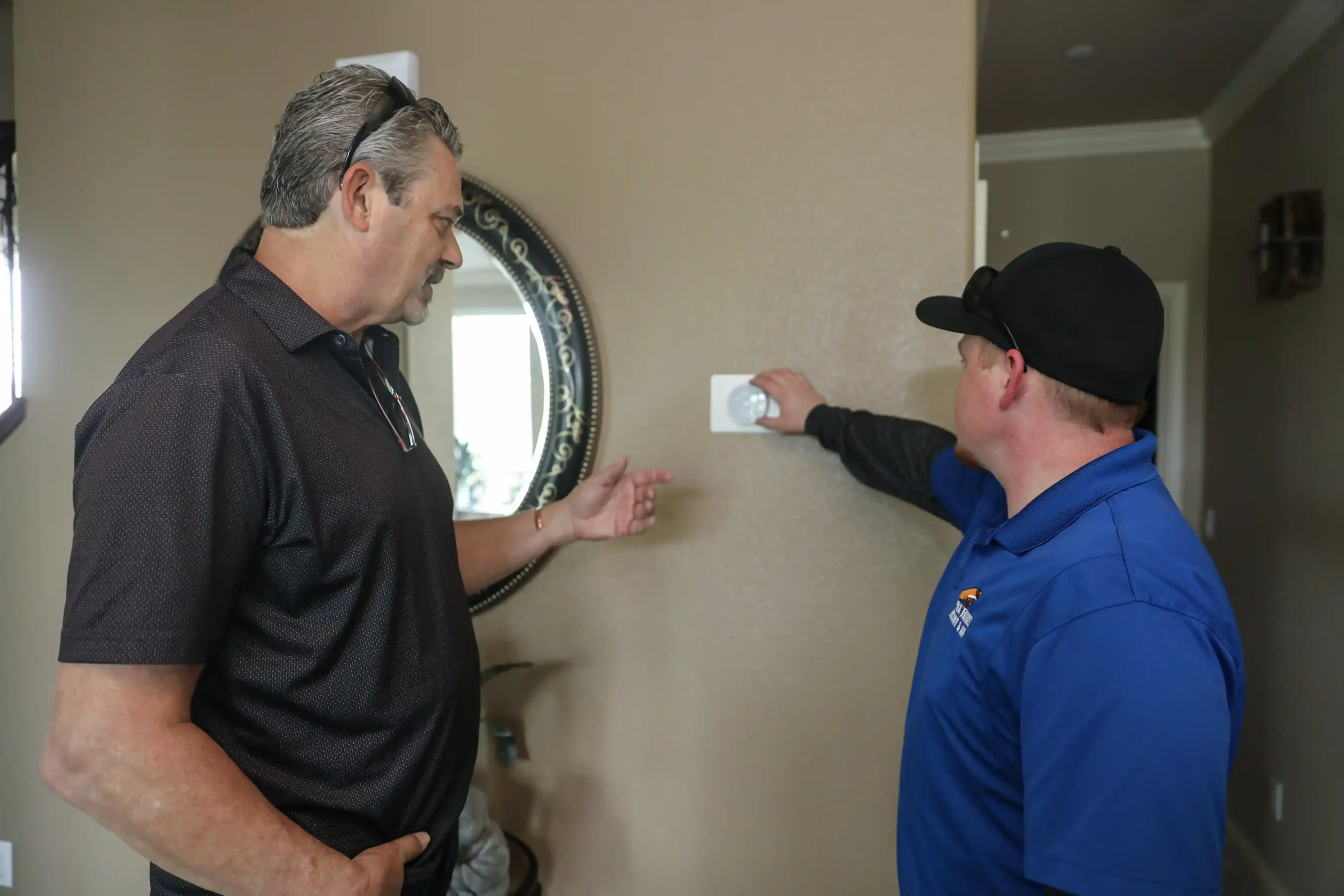
It might be a balmy 70°F indoors, but you wouldn’t know it if you looked in the window of a typical Sacramento home. Despite the thermostat’s settings, everyone is wrapped up in sweaters and blankets.
This type of experience is incredibly common in Sacramento, but you don’t have to just put up with it. With a few DIY checks and the right professional solution, you can keep your family warm this winter.
Why 70°F Feels Different in Sacramento Than on Paper
There are a few contributing factors that make Sacramento’s homes feel different in reality than the thermostat suggests.
Dry, Chilly Air and That “Bone Deep” Cold
In our area, winter weather often feels colder than the figure on the thermostat because of the dampness, cloudy days, and wind. Even though the air temperature might look warm, our bodies may not feel the same in that space. When the humidity level increases or decreases, it can make your home feel warmer or colder, even when the temperature feels exactly the same.
Your Body, Clothing, and Activity Level Matter, Too
Another important factor is what you’re wearing and your activity level. If you’re sitting at a computer, you’ll feel colder at the same temperature than someone who is cooking, exercising, or cleaning. Additionally, older adults and children often need warmer spaces or better layering to stay comfortable.
The Number on the Wall Is Not the Whole House
One common problem in Sacramento homes is that people expect the thermostat reading to represent the entire home, but this is often not the case.
Thermostat Location Problems
If your home’s thermostat is located near a warm hallway, sunny wall, or kitchen, it will appear to have a warmer temperature than the rest of your home. Because of this, it can trick the system into thinking it’s at the right temperature prematurely. As a result, your bedrooms and other spaces can feel extra cold when the thermostat’s location is warm.
The best option is to move your thermostat’s location to an interior wall in one of the rooms you use the most. In addition, make sure it is away from direct sunshine and drafts.
Hot and Cold Spots in Two-Story Homes
Warm air naturally rises, which is why upstairs rooms can feel especially warm. Many Sacramento floor plans struggle with this issue, especially homes that have vaulted ceilings and large, open spaces.
When Your Home Is Letting the Heat Slip Away
Besides general factors that make your indoor temperature feel especially cool, your home also has unique issues that may be letting heat out.
Drafty Windows and Doors
Air leaks can often develop around doors, windows, and recessed lights. Because of this, your 70°F home may feel chilly. Checking for drafts, caulking gaps, and installing weatherstripping can help you maintain a comfortable indoor temperature.
Poor or Uneven Insulation
As attic insulation settles or gets pushed aside, it can allow heat to escape. Additionally, many older homes didn’t have the right insulation to start with. In older Sacramento homes, exterior walls aren’t always insulated. Any time there is inadequate insulation, walls and ceilings can steal heat from your body and make you feel cold.
Cold Floors, Especially Over Garages or Raised Foundations
When you walk on a tile or wood floor, it can feel icy. Besides sealing gaps or improving insulation, you can also try adding a rug to make the floor feel warmer.
When Your Furnace Works, but the Heat Does Not Reach You
Sometimes, a chilly indoor environment is due to an issue in your heating, ventilation, and air conditioning (HVAC) system.
Leaky or Disconnected Ducts
Over time, duct leaks and gaps can develop that release conditioned air into an uninsulated attic and crawl space. If this is the case, you’ll likely notice that one room is unusually cold or your home has especially weak airflow. Additionally, the furnace may run nonstop to keep up.
Poorly Designed or Unbalanced Duct System
If you don’t have enough supply registers or they are too small, it can lead to uneven temperatures and extended runtimes.
Blocked Vents and Furniture Placement
Sometimes, supply and return vents can become blocked by curtains, rugs, and couches. To avoid this problem, try walking through your home periodically to make sure they are open and clear.
Is Your Heating System the Right Size and in Good Shape?
If your heating system is poorly sized or maintained, it can impact how effective it is at heating your home.
Undersized or Oversized Equipment
When a furnace is undersized, it has to run constantly to reach the appropriate temperature and never becomes fully comfortable. Meanwhile, oversized furnaces reach the temperature too quickly, which causes short cycling. Besides leading to inconsistent temperatures, this type of short cycling can also result in premature wear and tear.
Dirty Filters and Lack of Maintenance
When an air filter or blower is dirty, it can restrict your system’s airflow. As a result, your home can feel extra cold. To avoid this issue and ensure your family’s comfort, it’s important to remember your filter changes and annual tune-ups.
Ageing Furnaces Losing Efficiency
As furnaces grow old, they become less efficient and may struggle to deliver strong, consistent heat. If your furnace is older, requires frequent repairs, or is unusually noisy, it’s a good idea to schedule a professional inspection before the cold season begins.
Daily Habits That Fight Against Your Thermostat Setting
Even when your thermostat has the right temperature setting, there are a few daily habits that could be getting in the way of your family’s comfort.
Constantly Turning the Thermostat Up and Down
When you keep turning the thermostat up and down, it can make your home temperature feel less stable. If the swings are especially large, it can also increase your bills. Instead of big jumps, prioritize small, steady adjustments.
Closing Vents in Unused Rooms
Sometimes, homeowners will close vents when they don’t need an individual room heated. This changes the pressure in your system, leading to an unbalanced system, increased noise, and cold spots. Over time, it can also lead to added wear and more frequent repairs.
Not Using Fans Correctly in Winter
Ceiling fans can change rotation based on the time of year. During the winter, the rotation must be switched so that it pushes the warm air gently down. For the best level of comfort, fans should also be turned on low.
Action Plan for Sacramento Homeowners
From DIY checks to comfort upgrades, there are a few steps you can take to stay warm this winter.
Quick DIY Checks You Can Do This Week
With the following checklist, you can keep your home comfortable.
- Check and replace your furnace filter every 30 to 90 days.
- Periodically, inspect your supply and return vents to make sure they are open.
- Walk around your house to find drafty areas. Then, use caulking and weatherstripping to stop air from escaping.
- Add rugs to your coldest rooms, especially spaces that have tile or wood floors.
- Switch your fan to “auto” instead of “on” or vice versa to see which one makes your home feel more comfortable.
Comfort Upgrades That Make a Big Difference
If your home still isn’t comfortable, talk to our HVAC technicians about upgrades that can help.
- Smart or Programmable Thermostat: A thermostat upgrade can ensure more consistent temperatures and help you avoid drastic swings.
- Duct Sealing: Sealing your ducts or redesigning the ducts can help you prevent conditioned air from leaking out.
- Insulation: Adding insulation to your attic and sealing gaps can reduce the amount of heat that escapes.
When It Is Time To Talk About Repair or Replacement
In some cases, you can improve your home comfort by updating your thermostat settings, adding insulation, and changing your daily habits. However, the following situations strongly indicate that a furnace repair or replacement may be the best option.
- Your energy bills have risen without any noticeable change.
- The furnace is constantly running.
- No matter what the thermostat says, some of the rooms in your house are unusually cold.
- You keep experiencing frequent breakdowns.
Local Help When Your Home Feels Cold at 70°F
At Fox Family Heating & Air, we have helped many Sacramento and Rancho Cordova homeowners deal with this type of common complaint. With our thorough heating inspections and comprehensive ductwork evaluations, we can help you determine the cause of your heating issues.
Once we’ve evaluated your home’s HVAC setup, we will provide honest HVAC replacement advice and no-pressure recommendations. Our goal is to ensure a fast, honest, and friendly experience for every resident.
Tired of shivering in your home? Call today for a comfort evaluation before our next cold snap.
Frequently Asked Questions About Thermostat Settings and Cold Homes
To help you stay comfortable each winter, we’ve compiled some of the most frequently asked questions that we hear.
Is 70°F a good winter thermostat setting for Sacramento homes?
For most homes, 70°F will feel like a very comfortable thermostat setting. If you are trying to save money on your energy bill, 65°F is also a good setting.
To maximize your comfort and energy savings, program different temperatures for each time of day. Most people can tolerate a colder indoor temperature when they are asleep. You can also set a cooler temperature when you are away from home.
Why are my bedrooms colder than the rest of the house, even with the heat on?
This can occur for multiple reasons, such as poor insulation, drafts, leaky ductwork, and airflow-related problems. To figure out the underlying cause, schedule a winter heating inspection.
Should I turn my thermostat higher at night if I still feel cold at 70°F?
If you’re struggling to stay warm at night, you can absolutely turn your thermostat up. However, you should also consider a furnace inspection. When homes still feel cold at relatively high temperatures, it may indicate leaky ducts or other HVAC malfunctions.
Can duct leaks really make my house feel cold even if the furnace is working?
Absolutely. When you have leaky ducts, they allow heated air to escape as it travels to other rooms. Besides causing some rooms to feel unusually cold, it also forces your furnace to work extra hard.
How often should I schedule heating maintenance to keep my home comfortable?
We recommend scheduling a heating maintenance appointment each fall. By being proactive, you can avoid unexpected breakdowns, prevent costly repairs, and ensure a more comfortable home.
