Why Is My AC Overheating? 6 Common Causes And What To Do
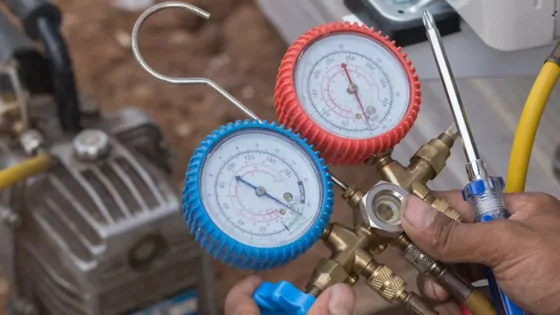
Is your air conditioner suddenly shutting off on hot afternoons, or does the outdoor unit feel hotter than you remember? When an AC system overheats, it struggles to keep up, runs longer than it should, and can even damage expensive parts if the problem is ignored. That is the last thing you want during a triple-digit heat wave in the Sacramento Valley.
At Fox Family Heating and Air Conditioning, our technicians see overheating air conditioners every summer in Rancho Cordova, Sacramento, and the surrounding communities. The good news is that many of the causes start small and are easy to catch early if you know what to look for.
This guide explains what overheating really means, the most common causes we find in the field, and the steps you can take before you call for service.
What Does AC Overheating Really Mean?
Most homeowners picture an overheating AC as something that is literally smoking or burning up. In reality, overheating usually means key parts of the system are running hotter than they were designed to run.
On a typical central air conditioner:
- The compressor in the outdoor unit pumps refrigerant through the system.
- The condenser coil outside releases heat from your home into the outdoor air.
- The indoor evaporator coil and blower pull warm air from your home, remove heat, and send cooler air back through the ducts.
When airflow is restricted, the refrigerant charge is off, or heat cannot be rejected properly at the outdoor unit, the compressor has to work much harder. On very hot Sacramento afternoons, that extra stress can push the system past its limits. You may notice:
- The outdoor unit is running noisier or longer than normal.
- Warm or only slightly cool air from the vents.
- The breaker tripped at the electrical panel.
- A burning smell, or the top of the outdoor unit is too hot to touch.
Any of these are signs that something is causing the equipment to run hotter than it should. Here are the most common reasons our team finds when an AC is overheating.
Cause 1: Dirty Or Clogged Air Filter
If we could give one universal piece of AC advice, it would be this: check the air filter first. A dirty filter is the number one cause of airflow problems and overheated equipment that we see in Rancho Cordova and Sacramento.
Why A Dirty Filter Causes Overheating
Your AC needs a steady supply of air flowing across the indoor evaporator coil. When the filter is packed with dust and pet hair, the blower motor has to work harder, and the coil cannot absorb heat efficiently. That can lead to:
- Reduced cooling capacity.
- Icing on the evaporator coil.
- Higher operating temperatures at the compressor.
- Higher SMUD or PG&E bills because the system has to run longer.
Over time, that extra strain can shorten the life of the compressor and the indoor blower motor.
What You Can Check
- Turn off the system at the thermostat.
- Locate the filter at the return grille or at the indoor air handler.
- Slide the filter out and look toward a light.
- If you cannot see light through the filter, or it looks gray and dusty, replace it.
For most homes in the Sacramento area, we recommend checking the filter every 30 days during heavy use. If you have pets, allergies, or a lot of construction dust, you may need to replace it more often.
Cause 2: Dirty Condenser Coils
The outdoor condenser coil is the part of your system that dumps heat from inside your home into the outside air. In our dry Central Valley climate, that coil tends to collect dust, grass clippings, cottonwood fluff, and even dryer lint. When the fins get packed with debris, the unit cannot release heat effectively, which drives temperatures up inside the system.
Why Dirty Coils Cause Overheating
When the condenser coil is dirty:
- Head pressure at the compressor rises.
- The compressor draws higher amps than it was designed for.
- The fan motor works harder trying to move air through a restricted coil.
On a 100-degree afternoon, a dirty coil can be the difference between a system that runs normally and one that trips the breaker or overheats the compressor windings.
What You Can Check
You can safely do a basic visual inspection:
- Turn off the power at the outdoor disconnect and the breaker panel.
- Look through the side panels of the outdoor unit at the fins.
- If you see a mat of dirt, grass, or lint, the coil needs cleaning.
Homeowners can gently rinse the outside of the coil with a garden hose from top to bottom, avoiding high pressure. For a deep clean, especially if the coil is impacted or the unit is older, it is better to have a professional remove the top and clean from the inside out.
Cause 3: Low Refrigerant Or A Refrigerant Leak
Refrigerant is the lifeblood of your air conditioner. If the system is low due to a leak, the refrigerant cannot carry heat away efficiently. That can cause both the indoor coil and the compressor to run outside their normal temperature range.
How Low Refrigerant Leads To Overheating
When refrigerant levels are low:
- The evaporator coil may freeze over, which blocks airflow.
- The compressor can overheat because it depends on cool returning gas for cooling.
- Pressures drift out of the normal range, which stresses the compressor.
Running an AC with low refrigerant for too long can damage the compressor, which is one of the most expensive parts to replace.
What You Can Watch For
Signs of a possible refrigerant issue include:
- Ice on the refrigerant lines or the indoor coil.
- Hissing or bubbling noises near the refrigerant piping.
- Weak cooling even after cleaning the filter and coil.
In the United States, federal law under EPA Section 608 requires technicians who handle refrigerant to be properly certified, so this is not a DIY task. If you suspect a leak, it is time to schedule a visit so a technician can check pressures, find the leak, and discuss your options.
Cause 4: Failing Or Overworked Compressor
The compressor is the heart of your air conditioner. When it starts to fail or is pushed too hard for too long, overheating is often one of the first warning signs.
Warning Signs Of Compressor Trouble
You may notice:
- The outdoor unit is buzzing but the fan and compressor do not start.
- The unit starts, then shuts off quickly and tries again.
- Loud humming or clanking from the outdoor cabinet.
- The breakers trip repeatedly when the AC tries to start.
Sometimes the compressor is failing. In other cases, another part in the starting circuit is the real problem.
Why This Is A Serious Issue
Repeated overheating can cause the internal thermal protector inside the compressor to open, or it can damage the windings permanently. At that point, you may be facing a major repair or replacement decision. Catching the problem early gives you a better chance of saving the existing equipment.
If your system is more than 10 to 15 years old and has repeated overheating or starting issues, it is especially important to have a licensed technician evaluate the compressor and the overall condition of the system.
Cause 5: Electrical Problems And Weak Capacitors
Your air conditioner relies on several electrical components to start and run smoothly. Capacitors, contactors, and wiring connections all play a role. In the Sacramento heat, these parts sit in a metal cabinet on the side of your home, baking in the sun for hours at a time. That environment is tough on electrical components.
Common Electrical Issues That Lead To Overheating
Some of the problems our technicians frequently find include:
- Weak or failed start or run capacitors.
- Pitted or burned contacts on the contactor.
- Loose electrical connections that create heat at the terminals.
- Undersized or aging breakers at the panel.
When a capacitor is weak, for example, the compressor may struggle to start every time the thermostat calls for cooling. Each hard start adds extra heat and wear.
What You Can Check Safely
Homeowners should not open the electrical compartment of the condenser. You can, however:
- Listen for rapid clicking or buzzing when the unit tries to start.
- Check whether the breaker is warm or tripping.
- Confirm that the outdoor disconnect is fully inserted.
Any electrical work on an AC system should be left to a qualified technician for safety reasons.
Cause 6: Blocked Airflow Around The House
Sometimes the problem is not inside the equipment at all. Blocked airflow in the home or around the outdoor unit can cause overheating as well.
Indoor Airflow Restrictions
Inside the home, these issues can make the system work much harder:
- Supply or return vents are closed or covered by furniture or rugs.
- Closed doors that prevent return air from reaching the main return grille.
- Crushed, disconnected, or undersized ducts in the attic or crawlspace.
The system was designed for a certain amount of airflow. When vents are closed to “force” more air to other rooms, the blower and coil can end up working under excessive static pressure.
Outdoor Airflow Restrictions
Outside, look for:
- Bushes, weeds, or fences too close to the unit.
- Trash, leaves, or toys pushed against the cabinet.
- A unit installed under a deck or roof overhang with poor airflow.
The condenser needs at least a couple of feet of open space on all sides and above the unit so it can pull in cooler outdoor air and reject heat properly.
What To Do Before You Call For Service
If you suspect your AC is overheating, there are several safe checks you can make before you call Fox Family Heating and Air Conditioning.
- Turn the thermostat to “off” and let the system rest for 30 minutes if it has been tripping the breaker or shutting off.
- Check and replace the air filter if it is dirty.
- Walk around the home and open any closed supply or return vents.
- Step outside and remove leaves, grass, or debris from around the outdoor unit.
- Confirm the thermostat is set to “cool” and the fan is on “auto”.
If the system comes back on after these steps and seems to run normally, keep an eye on it during the next hot day. If it trips the breaker again, runs continuously without cooling well, or makes unusual noises, it is time to bring in a professional.
When To Call Fox Family Heating and Air Conditioning
You should schedule service as soon as possible if:
- The breaker continues to trip after you reset it.
- You smell burning or see smoke around the equipment.
- Ice forms on the refrigerant lines or the indoor coil.
- The outdoor unit is running, but the indoor blower is not, or vice versa.
- The system is older and has had repeated overheating or starting issues.
Our team has years of experience keeping homes comfortable in the intense summer heat of Rancho Cordova and Sacramento. We use professional gauges, meters, and cleaning tools to diagnose overheating problems accurately and protect your equipment from further damage. We are your best choice for AC maintenance, and repair needs in Rancho Cordova.
If your AC is overheating or struggling to keep up, do not wait for a complete breakdown in the middle of a heat wave. Reach out for help early so we can get your system back to safe, efficient operation.
Fox Family Heating and Air Conditioning serves Rancho Cordova, Sacramento, and Northern California. If you need help with an overheating air conditioner, give us a call at 916-877-1577 or schedule your appointment online.