Top 5 Reasons Why Your Furnace Is Blowing Cold Air
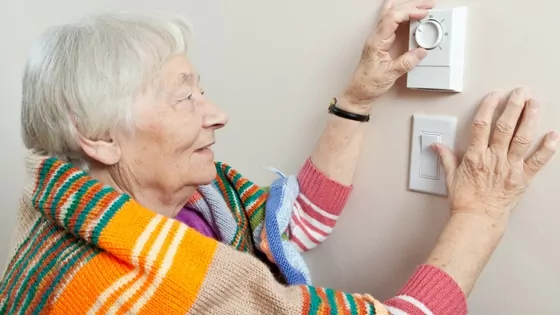
When the weather finally turns chilly, and you switch the heat on, there are few things more frustrating than a furnace blowing cold air. The blower is running, vents are pushing air into the rooms, but the house is not getting warmer. This is one of the most common winter calls our technicians handle at Fox Family Heating and Air Conditioning.
Here in the Sacramento Valley, the coldest nights typically arrive in December and January, often after that first real cold snap in late November. Many homes around Rancho Cordova and Sacramento go for months without running the furnace before that first cold spell, so minor issues can build up quietly until the system is needed most.
The good news is that many causes of cold air can be diagnosed quickly, and some basic checks are safe for most homeowners to perform. Other issues involve gas, flame sensing, and safety controls that are better left to a professional.
Below are the top five reasons we see furnaces blowing cold air, along with what you can safely look at as a homeowner, and when it is time to schedule service.
1. Thermostat Set to FAN ON Instead of AUTO
The thermostat is the first thing to check when a furnace is blowing cool air. A simple setting can make the blower run even when the burners are off, which feels like the furnace is working but only moving room temperature air.
Most digital thermostats have three fan settings: AUTO, ON, and sometimes CIRCULATE. In heating mode, the fan should almost always be on AUTO. That way, the blower only runs when the furnace is actually heating the air in the heat exchanger.
If the fan is set to ON, the blower runs constantly whether the burners are firing or not. Between heat cycles, the air coming out of the vents will feel cool or lukewarm, especially if the furnace is in a garage, attic, or crawlspace where the ductwork is exposed to cooler air.
Here are a few quick steps you can take:
- Confirm the thermostat is set to HEAT, not COOL.
- Make sure the fan setting is AUTO, not ON.
- Raise the temperature setting at least 3 to 5 degrees above the current room temperature to force a clear call for heat.
- If your thermostat uses batteries, replace them if they are old or if the display is dim or unresponsive.
After making these changes, give the system a few minutes. You should hear the furnace start its normal heating sequence, then feel warmer air coming from the vents. If the blower continues to run and the air is still cold, move on to the next checks or schedule a visit with Fox Family Heating and Air Conditioning so we can test the system more thoroughly.
2. Dirty or Restricted Air Filter
A clogged air filter is another very common cause of furnace problems in our area. When the filter gets loaded with dust, pet hair, and debris, it restricts airflow through the furnace. That restricted airflow causes the heat exchanger to run hotter than it should, which can trip the high limit safety switch.
When the limit switch opens, the control board shuts off the burners to protect the furnace from overheating. The blower often continues to run to cool the heat exchanger down, which sends cool or room temperature air through the ducts. From the homeowner’s perspective, it looks like the furnace is on but only blowing cold air.
Signs your filter may be the problem include:
- Little to no airflow from the vents in some rooms.
- The filter looks gray, matted, or visibly clogged when you pull it out.
- The furnace starts, runs for a short time, then shuts the flame off while the blower keeps running.
Safe steps you can take:
- Turn the system off at the thermostat.
- Locate the filter, which is often in a return air grille, filter rack at the furnace, or inside the blower compartment.
- Slide the filter out and inspect it. If it looks dirty or, in the worst case, you cannot see light through it, it is time to replace it.
- Install a new filter of the correct size and airflow rating, following the arrow on the frame so air flows in the right direction.
In Sacramento’s climate, many homes should have filters changed every one to three months, especially if there are pets, allergies, or a lot of dust. If your furnace still shuts down or blows cool air after a clean filter is installed, there may be additional airflow issues or a failing limit switch that needs professional attention.
3. Pilot Light or Ignition Problems
Depending on the age of your furnace, it may use a standing pilot light or an electronic ignition system. In both cases, if the burners are not lighting properly, the blower can end up circulating air that has not been heated.
For older furnaces with a standing pilot, common issues include:
- The pilot flame has gone out due to a draft or a dirty pilot assembly.
- The pilot flame is weak and not fully heating the thermocouple.
- The thermocouple has failed and will not keep the gas valve open.
For newer furnaces with hot surface igniters or spark ignition, the problems are a little different:
- Igniter is cracked or worn out and no longer glows hot enough to light the gas.
- Wiring to the igniter is damaged or loose.
- The gas valve is not opening correctly due to a control or safety issue.
You may notice the furnace trying to start several times: the inducer motor starts, you hear clicks or see the igniter glow, but there is no steady flame. After a few attempts, the control board may lock out and run the blower to cool the system, leaving you with cold air from the vents.
Because ignition problems involve gas and high-temperature components, homeowners should be cautious. Safe observations you can make include:
- Listen for the sequence when the thermostat calls for heat: inducer fan, igniter glow, and then burner ignition.
- Look for a steady blue flame through the burner viewing window, if your furnace has one.
- If you smell gas, turn the system off immediately and call for service.
Our technicians carry the proper meters and parts to test igniters, thermocouples, gas valves, and control boards. On a service call, we verify gas pressures, ignition timing, and safety operation to keep your furnace running safely and reliably.
4. Flame Sensor Not Detecting the Flame
Modern gas furnaces rely on a flame sensor to prove that the burners are actually lit. The flame sensor is a small metal rod positioned in the burner flame. It sends a tiny direct current signal back to the control board, typically in the range of about 3 to 5 microamps when the flame is healthy.
If the flame sensor does not send a strong enough signal, the control board assumes the gas is not burning correctly and shuts the gas valve off within a few seconds. The blower may continue to run for a short time to clear residual heat and unburned gas, which means you feel a blast of cooler air from the vents.
Over time, flame sensors develop a coating from normal combustion byproducts. This thin layer of oxidation is enough to weaken the signal, especially after long stretches where the furnace sits idle through the summer.
Our technicians can test the exact microamp reading, inspect the burners, verify ground connections, and confirm that the control board is responding correctly.
5. Limit Switch Tripping Because the Furnace Is Overheating
The high limit switch is a critical safety device inside your furnace. It monitors the temperature of the heat exchanger and shuts the burners off if things get too hot. This protects the furnace from damage and helps prevent unsafe operating conditions.
When the limit switch opens, the burners shut down, but the blower usually keeps running to cool the furnace off. During this cool-down period, the air coming out of the vents feels cold or lukewarm. If this happens repeatedly, you may notice short bursts of warm air followed by longer periods of cool air, and the house never reaches the set temperature.
Common reasons a limit switch might trip include:
- Dirty or clogged air filter restricting airflow.
- Closed or blocked supply and return vents.
- Ductwork issues that reduce airflow back to the furnace.
- The blower motor is running at the wrong speed or starting to fail.
- A limit switch that is weak, dirty, or out of calibration.
Homeowners can safely:
- Verify that all supply and return vents are open and not blocked by furniture, rugs, or boxes.
- Check and replace the air filter if it is dirty.
- Listen for unusual blower noises, such as squealing, grinding, or intermittent stopping.
Limit problems can be subtle, and repeated overheating can shorten the life of the heat exchanger. On a professional visit, our team can measure temperature rise across the furnace, static pressure in the duct system, and inspect the blower and limit switch operation. If we see the limit repeatedly opening, we track down the root cause rather than just resetting the furnace and walking away.
When to Call a Professional
Some quick checks, like thermostat settings and filter replacements, are reasonable for most homeowners. Once you get into ignition systems, flame sensors, gas valves, and safety controls, it becomes important to have a trained technician on site.
You should call Fox Family Heating and Air Conditioning if:
- You smell gas or suspect a gas leak anywhere in or around the furnace.
- The furnace starts and shuts off repeatedly within a few seconds.
- The blower runs constantly, but you seldom feel truly warm air.
- You have already checked the thermostat and filter, but the problem continues.
- You see error codes on the furnace control board or flashing lights you do not recognize.
During a service visit, our technicians follow a step-by-step diagnostic process. We verify proper ignition sequence, check flame sensor microamps, test safety switches, measure temperature rise and static pressure, and confirm that the system is operating within manufacturer specifications. In many homes served by SMUD or PG and E, we also help customers understand how their furnace settings affect utility bills during the colder months.
If your furnace is older or has recurring issues, we can explain options ranging from repairs to replacement, so you can make an informed decision that fits your home and budget.
Conclusion
A furnace that blows cold air on a winter night is more than an inconvenience. It is often a sign that a safety device has done its job, or that a small maintenance issue has finally caught up with the system. From thermostat settings and dirty filters to ignition, flame sensing, and limit switch problems, each part plays a role in keeping your home safe and comfortable.
Taking care of basic maintenance, like changing filters regularly and scheduling annual tune-ups before the first cold snap, can prevent many of these situations. When something does not seem right, it is better to shut the system off and reach out for help instead of letting it struggle.
If you have tried the simple steps and your furnace is still blowing cold air, our team is ready to help. Call us or schedule an appointment online, and our technicians will get your home warm again as quickly as possible.
Fox Family Heating and Air Conditioning serves Rancho Cordova, Sacramento, and Northern California. If you need help with a furnace that is blowing cold air, give us a call!