How to Troubleshoot an AC Compressor | Fox Family Heating and Air Conditioning
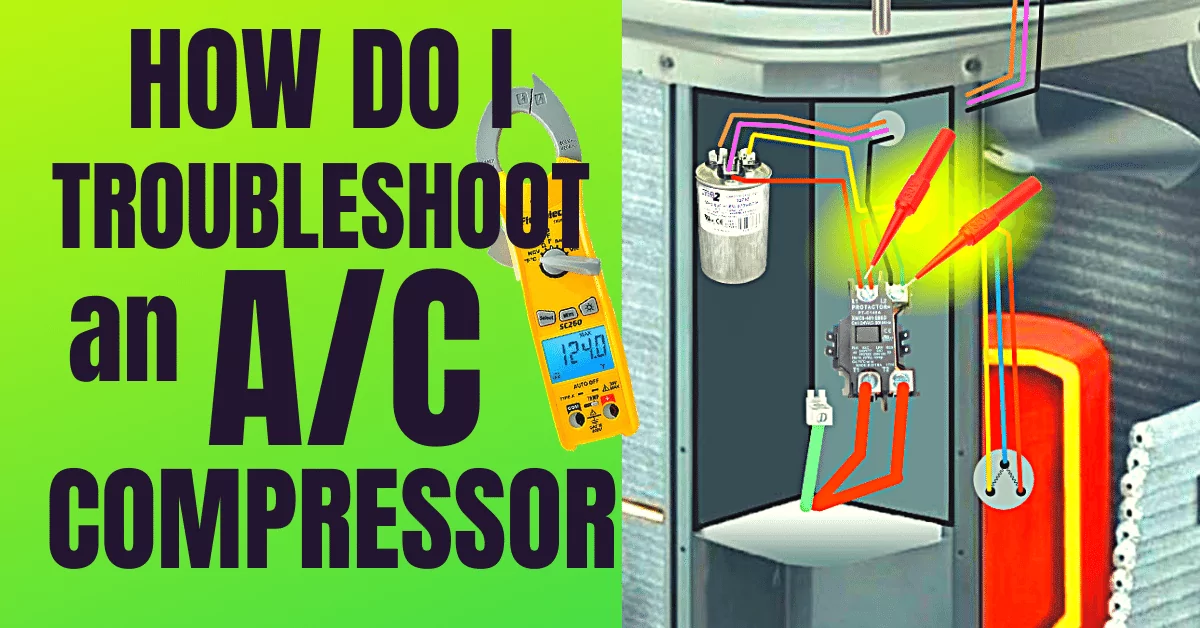
When your air conditioner suddenly starts blowing warm air during a Sacramento Valley heat wave, it is natural to worry that the compressor has failed. The compressor really is the heart of your cooling system, so any problem with it can feel serious. At Fox Family Heating and Air Conditioning, our technicians troubleshoot compressor issues every summer across Rancho Cordova, Sacramento, and the surrounding communities, and many of those calls turn out to be problems that can be solved without replacing the compressor.
This article explains what the compressor does, the most common signs of compressor problems, a few safe checks homeowners can try, and how our technicians diagnose and repair these issues in 2025. You will also see when it makes sense to repair, and when replacing the system is usually the better long-term choice.
Safety note: Air conditioners contain high-voltage electricity and high-pressure refrigerant. Never remove service panels, probe electrical components, or open refrigerant lines yourself. If you are not completely comfortable around electrical work or you notice any burning smell, smoke, or loud buzzing from the outdoor unit, shut the system off at the thermostat and call a licensed HVAC professional.
What Does the Compressor Do in Your AC System?
The compressor sits in the outdoor unit and is responsible for moving refrigerant through the entire refrigeration cycle. In simple terms:
- The compressor pulls low-pressure refrigerant gas from the indoor evaporator coil.
- It compresses that gas into a high-pressure, high-temperature gas.
- That hot gas flows through the outdoor condenser coil, where a fan blows outdoor air across the coil, removing heat from your home.
- The refrigerant condenses into a high-pressure liquid, passes through a metering device that drops its pressure and temperature, then returns to the indoor coil to absorb more heat.
Without a working compressor, refrigerant cannot circulate, and the condenser fan might run, but no heat is removed from your house. As of 2025, most systems in our area still use R 410A refrigerant, although newer systems are shifting to lower global warming potential refrigerants such as R 454B. Older systems that still use R-22 are more expensive to repair because that refrigerant was fully phased out in 2020 and is only available as reclaimed product.
Signs Your AC Compressor May Be in Trouble
Here are common symptoms homeowners notice when the compressor or its supporting components are struggling:
- Warm or room temperature air from the supply vents, even though the thermostat is set to cool.
- The indoor blower runs, but the outdoor unit is completely silent.
- The outdoor fan runs, but you do not hear the deeper humming sound of the compressor starting.
- The outdoor unit tries to start, then you hear a loud click, and it shuts off again.
- The circuit breaker for the air conditioner trips repeatedly.
- The outdoor unit is unusually hot to the touch or has a burnt smell.
- You hear loud buzzing, grinding, or metal-on-metal noises from the outdoor unit.
These symptoms do not always mean the compressor itself is bad. Very often, our technicians find failed capacitors, contactors, or wiring problems that keep an otherwise healthy compressor from running.
Basic Checks Before You Call for Service
There are a few simple things homeowners can check safely before scheduling a service call. None of these requires you to remove panels or work around live electrical parts.
- Confirm thermostat settings
- Make sure the thermostat is set to “Cool.”
- Set the temperature a few degrees lower than the current room temperature.
- Confirm the fan is set to “Auto” instead of “On” if the air feels warm. The “On” setting can make the fan run continuously even if the compressor is not cooling.
- Check the air filter
- A severely clogged filter restricts airflow and can cause the system to overheat and shut down.
- Replace the filter if it looks dirty or has not been changed in the last one to three months, depending on use and household conditions.
- Inspect the outdoor unit area
- Make sure there is at least two feet of clear space around the condenser.
- Remove leaves, grass clippings, and debris from around the cabinet.
- Do not spray water directly into the unit with the power on. If you rinse the coil, shut the system off first, and avoid bending the fins.
- Check the breaker and disconnect from a distance
- Find the breaker labeled for the air conditioner in your main electrical panel. If it is in the middle position, that usually means it is tripped. Turn it fully off, then back on.
- Near the outdoor unit, there should be a disconnect box. Make sure the handle or pull-out is fully inserted in the “on” position.
- If the breaker trips again immediately, do not continue resetting it. That is a sign of a potential short, and a professional should investigate.
If these basic checks do not get your system running, it is time to bring in a technician. From this point forward, safe troubleshooting requires electrical testing tools, refrigerant gauges, and proper training.
How Our Technicians Diagnose Compressor Problems
When a Fox Family Heating and Air Conditioning technician arrives at your home for a compressor-related issue, they follow a step-by-step process to isolate the problem accurately and safely.
- Verify power to the outdoor unit
- The technician confirms proper voltage at the disconnect and contactor.
- They inspect wiring for signs of damage, burning, or loose connections.
- If there is evidence of a short to ground, they track down which component is responsible.
- Check the contactor and capacitor
- The contactor is the relay that brings high voltage to the compressor and condenser fan when the thermostat calls for cooling.
- The run capacitor helps the compressor and fan start and run efficiently. A weak or failed capacitor is one of the most common reasons a compressor will not start.
- Using a meter, the technician tests the microfarad rating of the capacitor against the label. If it is out of tolerance, they replace it and retest the system.
- Measure compressor windings and look for shorts
- With power safely off, the technician measures resistance between the compressor terminals that feed the start, run, and common windings.
- Healthy windings have predictable resistance values. If one winding is open or there is continuity between a terminal and the compressor shell, that indicates an internal failure or a short to ground.
- Sometimes, an internal thermal overload opens because the compressor overheats. In that case, the windings may test open until the compressor cools down again.
- Check amp draw against RLA and LRA
- Every compressor has a rated load amps number printed on the data plate, often called RLA.
- The technician compares actual running amps to the rating. A compressor running close to or above its RLA, especially on a moderate temperature day, is under stress and may be failing.
- Locked rotor amps, or LRA, describe how much current the compressor draws when it first starts. Extremely high startup amps or repeated failed starts can point to mechanical issues or refrigerant problems that make it hard for the compressor to start.
- Evaluate refrigerant charge and system conditions
- Using gauges and temperature measurements, the technician checks superheat, subcooling, and pressures.
- Low charge, overcharge, or restrictions like a stuck TXV can all affect how hard the compressor has to work.
- They also look at indoor airflow, filter condition, and coil cleanliness because poor airflow can drive pressures and temperatures into unsafe ranges.
This systematic approach allows us to determine whether the compressor is truly damaged or whether an electrical or airflow problem is keeping it from operating correctly.
Common AC Compressor Issues We See
1. Electrical shorts and tripping breakers
If the breaker trips as soon as the outdoor unit tries to start, there may be a short to ground somewhere in the circuit. Common culprits include damaged wiring, a failed condenser fan motor, a burnt contactor, or a compressor that has shorted internally. Repeatedly resetting a tripped breaker can damage the breaker itself and is not safe. A technician will locate the source of the short, repair or replace the failed part, and verify proper operation.
2. Failed capacitors or hard start kits
The capacitor or hard start kit gives the compressor extra torque on startup. When these parts fail, the compressor may hum loudly without starting or may cycle off on overload. Replacing a weak or open capacitor is a relatively simple repair that can bring a good compressor back to life. Our technicians always verify capacitor values before declaring a compressor dead, because replacing a compressor when the real problem is a ten to twenty-dollar part is not fair to the homeowner.
3. Overheating and internal overload
On a one-hundred-degree day in the Sacramento Valley, compressors work extremely hard. High outdoor temperatures, dirty condenser coils, high indoor return air temperatures, or low airflow can cause the compressor to overheat. Modern compressors include an internal overload switch that opens when temperatures get too high and closes again once the compressor cools down. If our technician suspects this is happening, they will look for the underlying cause instead of simply condemning the compressor.
4. Mechanical wear inside the compressor
Over time, mechanical parts inside the compressor can wear out. Older reciprocating compressors used valves that could fail. Many modern residential systems use scroll compressors that do not have traditional valves, but they still have bearings and moving parts that can be damaged. Symptoms can include loud clanking or grinding noises, extreme vibration, trouble starting, and high amp draw even with proper refrigerant levels. When this type of damage occurs, the only solution is usually compressor replacement.
5. Refrigerant-related problems
The only things that should be inside the refrigerant circuit are the correct refrigerant and clean oil. If moisture, air, or debris enters the system, the refrigerant can become acidic and start damaging the compressor windings. Contaminated refrigerant or a burnout can leave blackened oil and soot throughout the lines. In other cases, an overcharged system, severe restrictions, or liquid refrigerant returning to the compressor can cause locked rotor conditions and high amp draws during startup. All of these problems shorten compressor life and require careful cleanup and repair by a professional.
Why Proper Refrigerant Charge Matters
From the homeowner’s perspective, it might seem like adding a little more refrigerant is an easy fix for a system that is not cooling well. In reality, running with the wrong charge is one of the fastest ways to damage a compressor.
- Undercharged systems can run hot because there is not enough refrigerant to move heat out of the house. Superheat can climb, and the compressor works harder to maintain cooling.
- Overcharged systems can flood liquid refrigerant back to the compressor, which the compressor is not designed to pump. That liquid can wash protective oil off internal parts and cause mechanical damage.
- Mixed or contaminated refrigerant is even worse. Using the wrong type of refrigerant or mixing different refrigerants is unsafe and can cause major failures.
Only EPA-certified technicians are allowed to handle refrigerant. As of 2025, R-22 is no longer manufactured, so topping off an old R-22 system can be very expensive. If your compressor is failing and the system uses R-22, it often makes more financial sense to replace the entire system rather than investing in a major repair on outdated equipment.
Repair vs Replace: How We Help You Decide
If our diagnostic testing shows that your compressor has truly failed, the next question is whether to repair the system by installing a new compressor or replace the entire air conditioner.
Here are the main factors our technicians walk through with homeowners:
- Age of the system
If the system is close to ten to fifteen years old, it is nearing the typical design life for Sacramento Valley conditions. At that point, a new compressor may only buy a few more years before other major components start failing. - Refrigerant type
Systems that still use R-22 are usually poor candidates for compressor replacement because of refrigerant cost and limited future support. R 410A systems are better candidates, and newer R 454B systems are designed for current efficiency standards. - Warranty status
Many manufacturers offer ten-year limited parts warranties on compressors when the equipment is registered. If your compressor is still within that warranty period, the part cost may be covered, and you would mainly be paying for labor and associated materials. If the warranty has expired, the full cost of the compressor and installation might push the numbers closer to replacement pricing. - Efficiency and comfort goals
If your existing system has struggled to keep up with Sacramento summer heat or has high energy bills compared to neighbors with newer systems, upgrading to a modern high-efficiency unit can offer better comfort and lower operating costs.
Our goal at Fox Family Heating and Air Conditioning is to lay out the pros and cons clearly so you can make an informed decision that fits your budget and long-term plans for the home. We never pressure you into replacement when a repair is a sensible option.
Protecting Your Compressor During Sacramento Summers
Here in the Sacramento Valley, it is common to see multiple days above one hundred degrees in July and August. Long stretches of hot, dry weather put a lot of stress on air conditioners, especially when systems are running nearly nonstop in the late afternoon before the Delta Breeze cools things down.
A few simple habits can extend compressor life in this climate:
- Change your air filter regularly so the system can breathe properly.
- Keep vegetation trimmed back from the outdoor unit and rinse dirt from the coil with a gentle stream of water when the power is off.
- Avoid setting the thermostat extremely low during heat waves. Dropping the setpoint a couple of degrees at a time is easier on the system than large swings.
- Schedule annual maintenance with a qualified HVAC company so a technician can inspect electrical components, test capacitors, verify refrigerant charge, and catch developing issues early.
Fox Family Heating and Air Conditioning offers same-day service in many cases during the cooling season, which is especially important when vulnerable family members or home offices depend on reliable cooling.
When to Call Fox Family Heating and Air Conditioning
If you have worked through the basic checks and your air conditioner is still not cooling, or you notice breakers tripping, loud noises, or burning smells, it is time to bring in an expert. Compressor problems are not something to guess at, because incorrect repairs can lead to bigger failures and safety risks.
Our licensed technicians will:
- Perform a complete diagnostic on the outdoor and indoor units.
- Test electrical components, including capacitors, contactors, and wiring.
- Measure compressor windings, amp draws, and refrigerant charge.
- Explain their findings in clear language and review your repair or replacement options.
If you are in Rancho Cordova, Sacramento, or anywhere in Northern California and need help with an AC compressor that is not working properly, we are ready to help. Call us or schedule a visit online.
Fox Family Heating and Air Conditioning serves Rancho Cordova, Sacramento, and Northern California. If you need help with your air conditioner compressor, give us a call.