Gas Furnace vs Space Heaters: Which Is Actually Safer And Cheaper For Your Home?
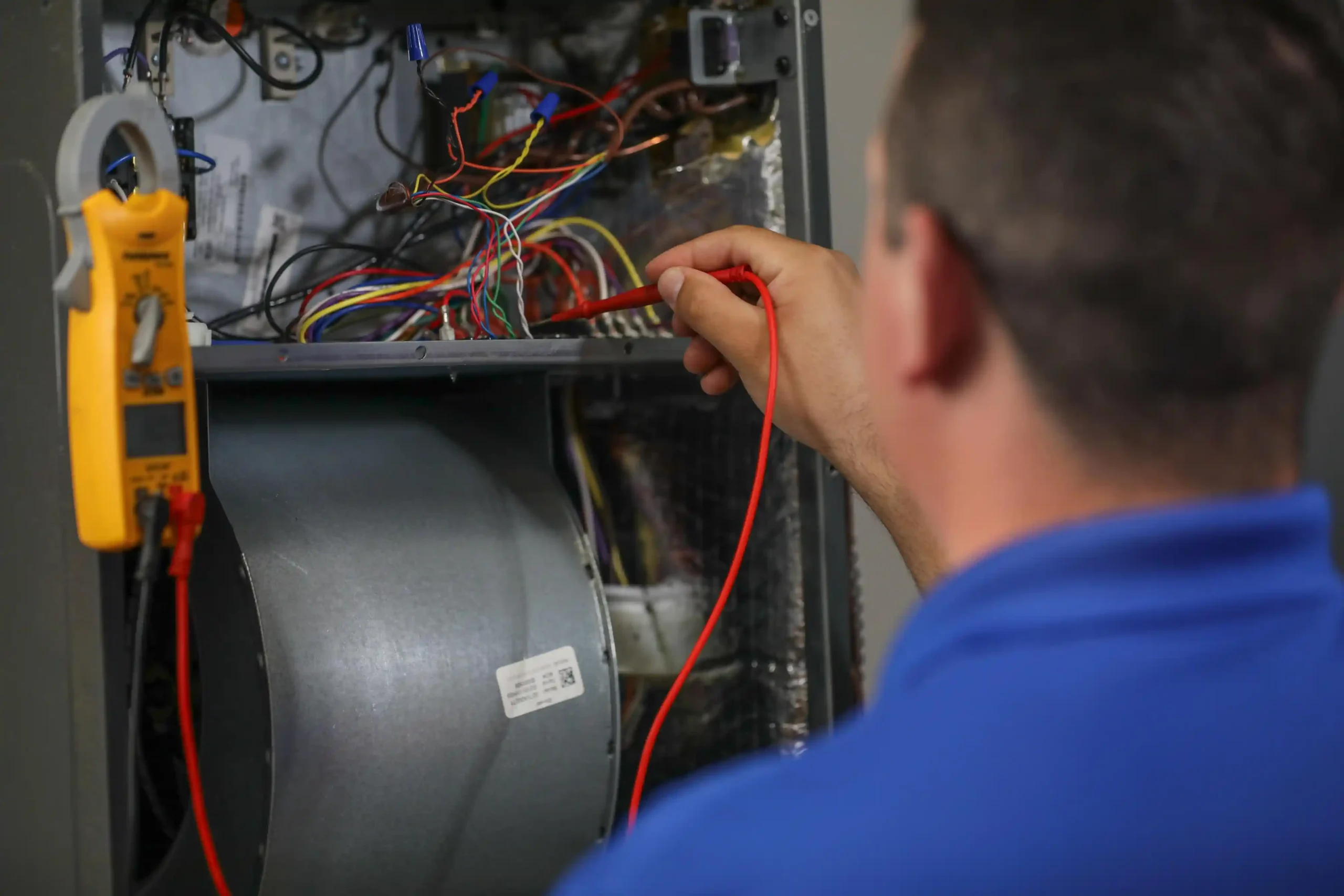
As Diablo Winds blow across the city, a sweatshirt won’t cut it anymore to keep you warm. The arrival of winter means it’s time to crank up the heat.
The only question is how you will warm your home. While a space heater might work for a single room, a furnace provides a powerful warmth that can heat your entire building. As a homeowner, you’re naturally concerned about the safety, comfort, and costs involved in using each option.
At Fox Family Heating & Air Conditioning, we understand the types of heating, ventilation, and air conditioning (HVAC) solutions local residents need. To help you make smart heating decisions this year, we’ll dive into some of the major differences between space heaters and gas furnaces.
Gas Furnaces Vs. Space Heaters: A Quick Overview
First, let’s look at how these two types of heating systems work.
What Is a Gas Furnace?
A gas furnace is a central heating system that heats air. Once it is heated, the air is transferred to the rest of your home through a network of ducts. Gas furnaces burn gas, so they heat your home through combustion.
This type of system must be installed permanently in a specific location in your home. Before you can use it, it has to meet local codes and pass an inspection.
What Is a Space Heater?
Meanwhile, a space heater is designed to be portable, so you can move it between different rooms or spaces you want to heat. While gas furnaces can heat your entire home, space heaters are only intended for a small area. Depending on your needs, you may use an electric, infrared, radiant, gas, or propane space heater.
Many homeowners like space heaters because they have a low upfront cost. They’re easy to move around, which allows you to quickly heat cold spots in your home.
Safety Showdown: Which Option Really Keeps Your Home Safer?
When comparing different heating systems, safety is one of the most important factors to consider. Let’s break down the safety risks and protections offered by each heating system.
Fire Risk
Furnaces have extra protective measures that are designed to prevent fires. They are installed with proper clearances, safe venting, and important safety controls.
In comparison, space heaters can be placed anywhere. While they should never be put within three feet of furniture, bedding, or curtains, this often happens. When they are too close to furnishings, they can start a fire.
Besides poor placement, there are also major risks posed by overloaded power strips and blocked airflow. If the space heater is knocked over, it can start a fire.
Carbon Monoxide and Indoor Air Quality
When it comes to carbon monoxide and indoor air quality, gas furnaces pose more of a risk than most types of space heaters. Gas furnaces burn gas through the combustion process, so neglected maintenance or faulty venting can lead to a carbon monoxide (CO) risk. This is why it’s so important to invest in regular furnace maintenance and periodically test your CO detectors to make sure they are fully functional.
In comparison, electric space heaters don’t rely on combustion. They typically use convection or radiant heat to warm and circulate the air. However, there are still potential dangers involved, such as overheated wiring and outlets.
Kids, Pets, and Everyday Life
If you have pets or kids, space heaters can pose serious risks. They have hot surfaces that can be touched by little ones. Additionally, the cords pose a tripping hazard if they are in a high-traffic area. While you can mitigate these risks, a space heater will require constant supervision while it is running to ensure no animals or children end up getting hurt or starting a fire.
Code Compliance and Insurance
When you install a furnace, it must be properly sized, permitted, and inspected. Unfortunately, there are no similar requirements for space heaters. Many space heater fires occur because of old equipment, misuse, or faulty wiring. If there is a fire incident with a space heater, continuing to use it can invalidate some types of insurance policies.
Safety Bottom Line
If your gas furnace is properly installed and maintained, it will generally be the safer long-term option for whole-home heating. In comparison, space heaters should be primarily relegated to occasional, carefully used supplemental heat.
Cost Comparison: What Is Actually Cheaper To Run?
As a homeowner, the cost of heating your home can quickly add up. In fact, the average American home spends around half of its annual energy bill on heating and cooling costs. To reduce your heating costs this winter, take a look at the cost to run space heaters vs. furnaces.
Upfront Costs
A gas furnace requires a higher upfront investment because of the equipment and installation costs. In comparison, space heaters are cheap to buy and have no installation cost. However, this is only a part of the overall cost.
Operating Costs and Energy Use
When it comes to day-to-day operations, a modern, high-efficiency furnace uses a limited amount of gas to heat your entire home. Electric space heaters use electricity, which is more expensive per unit of heat. If you have to use the space heater for many hours per day, this cost can quickly add up.
Whole-Home vs Single-Room Heating
A space heater is often a good choice if you:
- Plan on spending time in just one room for a few hours.
- Need extra warmth for a specific space, such as a nursery, home office, or basement.
A furnace will save you money if you:
- Have a family that uses multiple rooms.
- Require heat for many hours a day over the entire season.
“Turn the Furnace Down and Use Space Heaters” Strategy
Sometimes, homeowners try to maximize energy savings by lowering their thermostat and then using space heaters in occupied rooms. However, this method can backfire in several important ways.
First, it means you have multiple heaters running at once. Often, families will require space heaters in multiple rooms because not everyone will stay in the same room for the whole day.
It gets fairly chilly in winter, so space heaters often run for long periods of time. This extended runtime will offset any gas savings by increasing your electricity bill.
While this strategy may occasionally help if you’re just in a single room for a short time period, it is not effective for multiple rooms or long-term use.
Long-Term vs. Short-Term Costs
When comparing the price of both heating options, it’s important to consider the long-term and short-term costs involved. Furnaces are a long-term investment that will typically last for 15 years or more if they are properly maintained. In comparison, space heaters tend to have short lifespans and aren’t intended to be a primary source of heat.
Comfort, Convenience, and Noise
Next, let’s dive into the comfort, convenience, and noise involved with each heating system.
Even Heat Throughout the Home
If you want even heat, furnaces are the clear choice. A gas furnace is able to provide consistent, even temperatures in every room of your home. Meanwhile, space heaters are only designed to be in individual rooms. Even within the same room, they can create hot and cold spots.
Convenience and Ease of Use
With a furnace, you gain thermostat control of the system. If it’s a smart or programmable thermostat, you can set it to the exact comfort level you want and forget about it.
Space heaters don’t offer the same level of control or convenience. Each time you want heat in a different area, you have to move the space heater, plug it in, and adjust the temperature. Afterwards, you have to watch the space heater to make sure it doesn’t start a fire or tip over.
Noise and Lifestyle
In most homes, the sound of a furnace’s operation and fans is mostly unnoticeable. Once the furnace kicks on, the sound just becomes background noise. In comparison, many types of space heaters produce a fairly distracting buzzing sound when they are running. Whether you need to work on a project, sleep, or enjoy time with your family, this sound can get in the way.
When a Space Heater Actually Makes Sense
Although there are many advantages to getting a gas furnace installed, there are a few instances where a space heater is a better option. However, to ensure the health and safety of your family and home, it’s important to be cautious about how you use them.
Smart, Limited Use Cases
Space heaters can be an incredibly effective way to heat a drafty office or workshop. If you rarely use a room or simply need a short-term boost on an unusually cold morning, they are a good option. Similarly, space heaters can be a lifesaver if you need a backup heat source while you wait for furnace repairs.
Safety Tips for Using Space Heaters
To protect your family and home, remember the following safety tips and best practices.
- Never plug a space heater into an extension cord. Instead, plug it directly into a wall outlet.
- There should always be three feet of space around the space heater.
- When you go to bed or leave the room, turn off the space heater.
- Immediately replace a recalled, older, or damaged unit.
When a Gas Furnace Is Clearly the Better Choice
While there are instances where using a space heater makes sense, gas furnaces are the clear winner in most situations.
For Whole Home, Everyday Heating
If your family uses multiple rooms at once, gas furnaces are the more comfortable and cost-effective option. Similarly, gas furnaces are a better choice if you need consistent warmth over an extended heating season.
For Long-Term Savings and Home Value
When you upgrade to a modern, high-efficiency furnace, it’s a long-term investment in your home’s energy efficiency. Through a properly sized system, you can maximize your family’s comfort. Additionally, an energy-efficient furnace can maximize your home’s resale value.
For Peace of Mind and Safety
With a furnace, you can enjoy better peace of mind. The unit is professionally installed and maintained, so you don’t have to worry about its functionality. It features proper venting and built-in safety controls, ensuring your family’s safety. Plus, scheduling routine furnace tune-ups can help you catch minor problems and safety risks before they become a problem.
How To Decide What Is Right For Your Home
To decide which option is best for your home, there are several factors you need to consider. If you are unsure about what to do, one of our experienced HVAC technicians can evaluate your situation and help you decide.
Questions To Ask Yourself
Before you choose the right heating method for your needs, consider the following factors.
- How many rooms does your family typically occupy?
- What is the age of your furnace? Is it still performing well?
- How do your local gas and electricity rates compare?
- Are there any children, pets, or older adults living in the home?
Why Working With a Trusted HVAC Pro Helps
If deciding on the right heating system is challenging for you, reach out to our team for extra help. One of our trusted HVAC professionals can perform a full home inspection and a professional load calculation. This will help us determine if your existing furnace is undersized or oversized. If upgrades, repairs, or tune-ups need to be performed, we can immediately recommend the best course of action.
Over the years, we’ve built our reputation on providing honest, transparent guidance for local homeowners. Besides helping you find the right system for your needs, we’ll also recommend the best ways to strategically and safely use supplemental heat.
Get a Professional HVAC Evaluation Today
In most cases, a gas furnace will be the safer, more economical choice for heating your entire home. Although space heaters can be useful, they are better for providing supplemental heat.
When it comes to your energy bills and personal safety, it’s better not to guess. By scheduling a professional furnace inspection, seasonal tune-up, or replacement consultation with Fox Family, you can determine the best heating options for your family’s needs.
Ready for a warm, safe winter? Reach out to our HVAC team today for comfort solutions you can count on.
