Gas Furnace Safety Check: The 7 Things Sacramento Homeowners Should Watch For (Without DIY-ing Repairs)
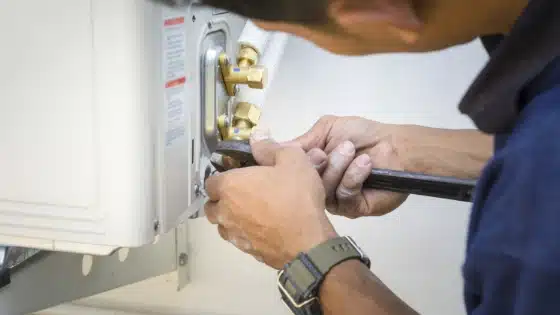
Gas furnaces are known for their powerful heat. With this heat, there is an added safety risk. Most furnace issues start small, so it’s important to get small problems fixed before they can escalate.
To enjoy good winter heating in Sacramento this year, pay attention to the following signs. If you notice anything that seems unsafe, immediately shut off your system and reach out for professional help.
How To Stay Safe: A Quick Disclaimer
As a homeowner, there are a few things you can do to troubleshoot.
- Listen, look, and smell for potential problems.
- Check to see if there is airflow.
- Replace your air filter.
- Test your smoke and carbon monoxide (CO) alarms.
To ensure your safety, avoid the following things.
- NEVER do anything with your gas lines, heat exchangers, vent pipes, wiring, or burners.
- NEVER open sealed compartments.
- NEVER do anything that involves more intensive tools than are needed for a standard filter door.
The 7 Things To Watch for During a Basic Gas Furnace Safety Check
To protect your home, furnace, and family, monitor your system for the following signs.
1. You Smell Gas or a “Rotten Egg” Odor
You may smell a gas odor near the furnace or gas meter, especially when the furnace initially starts. Because this may indicate incomplete combustion or a gas leak, it’s essential to leave the area and immediately call your gas utility or emergency services. Once a professional has declared the area safe, reach out to a heating, ventilation, and air conditioning (HVAC) technician for help.
2. You Hear the Carbon Monoxide Alarm or Notice CO-Type Symptoms
You may experience headaches, nausea, or dizziness that improve immediately after you go outside. If your CO alarm is working, you may hear it go off.
CO is odorless, so you can’t tell it’s present. If there is any hint of a CO leak, immediately make everyone go outside and call for emergency services.
3. There Is Soot, Scorching, or Discoloration Around the Furnace or Vent Area
You may notice singed insulation or browning around your cabinet or vent connections. This indicates potential issues with combustion, venting, or flame rollout. To stay safe, switch the system off at the thermostat and call for a furnace safety inspection.
4. You Noticed Weird Flame Behavior or Delayed Ignition
If you hear a rumbling, popping, or whooping noise on startup, it may be due to ignition or burner issues. These safety problems can also make the furnace hesitate before it lights. Because of the danger involved and the added stress on your system’s components, you should turn the furnace off and call a professional.
5. There Are Venting Red Flags You Can See Without Taking Anything Apart
Rattling pipes, water stains, rust, and indoor exhaust odors are all indications of venting problems. This can push combustion gases into your home, so it’s essential to shut off your furnace and call for help. Any active exhaust odor inside is an immediate emergency.
6. You Heard New, Unusual Noises
If you notice screeching, rattling, banging, persistent clicking, or grinding, it may be due to mechanical wear. This wear can lead to overheating, unexpected damage, and shutdowns. To avoid additional damage, you should turn off your furnace and schedule an HVAC inspection before you end up with a no-heat emergency.
7. You Saw Short Cycling, Weak Airflow, or Overheating Signs
Cold rooms, poor airflow from the vents, and short cycling may indicate airflow restriction, safety limit trips, and strain on the internal components. Additionally, an overheated furnace will shut down and blow cold air to cool off the hot components. As a result, you may feel cold air.
Start by checking the filter. Then, make sure your return vents are open and unblocked. If the problem continues, you’ll need to switch off the furnace and call a professional.
Sacramento-Specific Furnace Concerns: What To Watch Out For
Thanks to our unique environment, there are a few special issues you need to watch out for in Sacramento. In our area, dust and seasonal air quality problems can cause filters to fill up faster. As a result, this can cause airflow issues.
Additionally, many local furnaces are installed in closets and attics. Unfortunately, this means that stored items and insulation can be placed around them, leading to airflow and clearance problems.
To ensure your Sacramento home is ready for cold weather, remember to get a quick professional inspection before the first cold snap arrives.
When To Call for a Professional Safety Inspection
Immediately call for help if you notice the following symptoms.
- Gas odors
- CO alarms are going off
- Delayed ignition
- Loud booms when the furnace starts up
- Scorch marks or soot
- New, persistent noises
- Venting problems
- Short cycling
- Repeated shutdowns
What a Pro Checks During a Furnace Safety Visit
During our furnace inspection, we will ensure the safety of your combustion, heat exchanger, burner, ignition, and venting. We’ll handle CO risk checks and draft verification, so you can sleep peacefully.
Then, our team will check your gas pressure, safety switches, and shutdown behavior. We’ll ensure your airflow and performance are functioning optimally. If there are airflow issues, we can recommend the best course of action for getting them repaired.
Ensure Your Furnace’s Safety
As soon as you notice an unusual symptom, immediately call for help. We recommend getting a safety check before peak season arrives. For a professional inspection and routine maintenance, reach out to Fox Family Heating & Air today.
FAQs
Is a burning smell normal when turning on a furnace for the first time?
As long as it lasts for just the first few minutes, it is a normal symptom. This just occurs because the dust in the furnace is burning off. However, call for help if the burning odor doesn’t go away.
How often should Sacramento homeowners schedule a furnace safety check?
We recommend getting your furnace checked each fall as part of your routine maintenance inspection.
What does a CO alarm mean if I don’t smell anything?
CO is odorless, tasteless, and colorless. Unless you hear an alarm or experience symptoms, you won’t even know it is there.
Why does my furnace make a loud boom when it starts?
This is called delayed ignition. It happens because gas is building up before it ignites, causing a mini-explosion. This is a major safety hazard and can be caused by multiple issues, so immediately schedule emergency repairs.
Can a dirty filter cause a furnace to shut off?
Absolutely. A dirty air filter can reduce airflow and cause your furnace to overheat. In turn, this causes it to automatically shut off.
Should I run my furnace if I see soot near it?
No. Soot means you may have a cracked heat exchanger or blocked vent. To ensure your safety, you should shut off the furnace and schedule HVAC repairs.
