Can I Replace My AC Without the Furnace? | Fox Family Heating and Air Conditioning
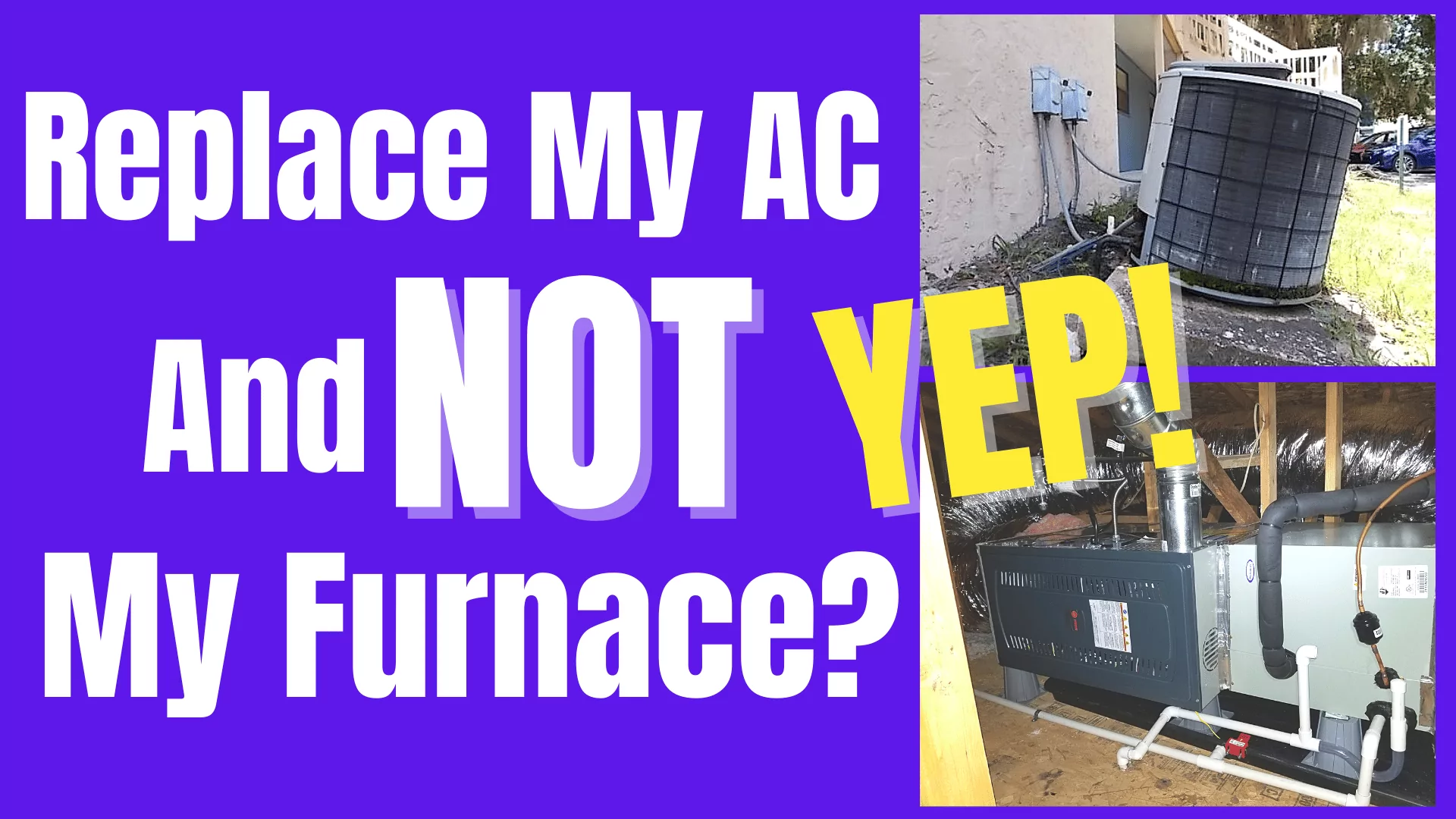
When your air conditioner stops keeping up with Sacramento’s heat, it is natural to ask whether you can just replace the outdoor unit and leave the existing furnace alone. After all, the furnace still runs, and replacing only part of the system sounds like a way to save money.
As a residential HVAC company serving Rancho Cordova, Sacramento, and the rest of Northern California, we hear this question often when one piece of equipment fails first. The honest answer is that sometimes you can replace only the AC, but in many homes, it is not the best long-term choice for comfort, efficiency, or reliability.
This article explains when replacing just the AC makes sense, when you are better off replacing both the AC and the furnace together, and how our technicians help you make the decision.
The Short Answer
Yes, it is technically possible to replace only the air conditioner and keep your existing furnace. In some situations, that is a reasonable option, especially if the furnace is newer, properly sized, and in good condition.
However, your AC and furnace are part of a matched system that shares components, including the indoor coil and the blower. When you install a new high-efficiency AC on top of an older furnace that was never designed to work with it, you may lose much of the efficiency you are paying for, create comfort issues in your home, and miss out on warranties or utility rebates.
In the Sacramento area, where your system works hard almost year-round, we usually recommend looking at the entire heating and cooling system together instead of treating the AC and furnace as completely separate appliances.
Why Your AC and Furnace Are Matched
Even though you think of them as separate pieces of equipment, your central AC and gas furnace share several critical parts inside your home.
Shared Indoor Coil and Blower
In most split systems, the evaporator coil for the air conditioner sits on top of the furnace. The furnace blower moves air across that coil in the summer and across the heat exchanger in the winter. The outdoor AC unit, indoor coil, and furnace blower all have to be properly matched so the system can:
- Move the correct amount of air for the tonnage of the AC
- Maintain proper refrigerant pressures and temperatures
- Deliver even airflow to each room through your duct system
If you pair a modern two or three-ton outdoor unit with an older furnace that has a smaller or weaker blower, the system can end up with low airflow, poor humidity control, icing of the coil, or short cycling. That is one reason manufacturers publish approved equipment combinations.
AHRI Matching and Efficiency Ratings
The Air-Conditioning, Heating, and Refrigeration Institute (AHRI) tests complete systems and assigns a certified efficiency rating, such as 14.3 SEER2 or 16 SEER2. That rating is based on a specific outdoor unit, indoor coil, and in many cases a specific furnace or air handler.
When you mix and match equipment that is not on the AHRI list, the true efficiency can drop noticeably compared to the rating on the brochure. In some cases, utility rebates from SMUD or PG&E require a documented AHRI match, so using an older furnace with a brand new condenser can reduce or eliminate those incentives.
Refrigerant and Coil Compatibility
Older systems were built around R-22 refrigerant, which has been fully phased out. New systems use refrigerants such as R 410A or newer A2L blends like R 454B. If your indoor coil is designed for R-22 and has never been replaced, it typically must be replaced when you install a modern outdoor unit. That coil sits directly on the furnace, so your technician has to evaluate how it will fit and seal on top of the existing cabinet.
These compatibility issues are why our installers spend so much time planning full system cut-in projects, including gas lines, duct sizes, and return air openings. Even on a simpler replacement, the same principles of matching and airflow still apply.
When Replacing Just the AC Can Work
There are situations where keeping your existing furnace and replacing only the AC is a reasonable choice. Some of the most common are:
- Your furnace is relatively new. If the furnace is less than about 10 to 12 years old, properly sized, and has a modern blower motor, it may pair well with a new AC and coil.
- The furnace is in excellent condition. If there are no signs of heat exchanger issues, no history of frequent breakdowns, and the blower is performing well, replacing it early may not be necessary.
- The indoor coil will be replaced. Your contractor can install a new coil that is specifically matched to the new outdoor unit, even if the furnace cabinet stays in place.
- The system can still achieve an AHRI match. In some cases, the furnace model and blower combination is on the AHRI list with the new AC and coil, so you retain the rated efficiency and rebate eligibility.
- Your budget is tight this season. If you simply cannot do both pieces of equipment right now, a properly installed AC only replacement can be a bridge solution while you plan for a future furnace replacement.
In these situations, our technicians will still check static pressure, duct condition, and airflow to make sure your existing furnace can support the new AC. If the numbers look good and the system can be matched correctly, replacing just the AC can be an acceptable option.
When You Should Replace Both AC and Furnace
Other homes are better served by replacing the AC and furnace together. This is especially true when one or more of the following is true:
- The furnace is 15 years old or older. Once your furnace reaches this age range, it is approaching the typical end of its service life in our climate. Installing a brand new AC on top of a furnace that may need replacement soon often leads to duplicate labor and more disruption later.
- The furnace has safety or reliability concerns. Cracked heat exchangers, repeated lockouts, or unreliable ignition components are signs that the furnace should be replaced, not nursed along under a new AC.
- The blower cannot support the new AC. If testing shows high static pressure, undersized ductwork, or an older blower that cannot move enough air, replacing the furnace with a modern variable speed model can protect the new AC and improve comfort.
- The system still uses R 22. If both the indoor coil and outdoor unit are part of an old R 22 system, the most cost effective long term move is usually to replace the complete system instead of trying to adapt old components.
- You want higher efficiency and better comfort control. Many of the best comfort features in 2025, such as variable speed blowers and two stage or modulating gas valves, require a new furnace paired with the new AC and thermostat.
In these cases, a full system replacement usually gives you better efficiency, longer warranties, quieter operation, and fewer surprises in the next decade. It also lets our installers address ductwork issues, return air sizing, and register layout at the same time, similar to what is done on a full cut in project.
Cost and Labor Considerations
Cost is usually one of the main reasons homeowners ask if they can replace only the AC. It is true that a single component replacement can have a lower price tag than a full system, especially in the short term. There are a few important points to consider when you compare options.
Shared Labor Between Components
Certain tasks are required whether you replace one piece of equipment or the whole system. Examples include:
- Recovering and charging refrigerant
- Setting up new electrical disconnects and whips
- Modifying and sealing sheet metal at the coil and plenum
- Commissioning the system and checking refrigerant charge
When you replace only the AC today and the furnace fails a few years later, some of that labor has to be repeated. Replacing both at the same time allows the crew to do all the related work in a single visit, often at a lower combined labor cost than two separate projects.
Efficiency and Utility Bills
As of late 2025, the minimum efficiency for new central air conditioners in our region is 14.3 SEER2, and many homeowners in Rancho Cordova and Sacramento, choose 16 SEER2 or higher equipment. If that high efficiency outdoor unit is paired with a mismatched indoor system, the actual efficiency can fall closer to an entry level rating. That means higher utility bills during our 100 degree summer days.
Upgrading the furnace at the same time can add features such as variable speed blowers and better airflow management. Those features help your new AC run at its full potential and can improve comfort in rooms that were previously too hot or too cold.
Rebates and Financing
SMUD and PG&E periodically offer rebates for high efficiency HVAC systems, particularly when both heating and cooling efficiency are improved together. The available programs change over time, so it is important to check current details with your utility or with a licensed contractor. Our team stays up to date on local incentives and can let you know whether a full system replacement or an AC only project aligns better with current rebates and financing options.
Our Recommendation and Evaluation Process
Because every home and budget is different, there is no single answer that fits every situation. At Fox Family Heating and Air Conditioning, our goal is to act as your trusted advisor, not to push you into the most expensive option.
When our technicians come to your home to evaluate an aging AC or furnace, we typically:
- Inspect the age, model numbers, and condition of the existing equipment
- Measure static pressure and check duct sizing and return air
- Look for safety issues, including heat exchanger problems and venting
- Review your comfort concerns and energy bill history
- Discuss how long you plan to stay in the home
From there, we usually present at least two options. One option may focus on replacing only the failing component if that can be done safely and reasonably. Another option may include replacing both the AC and furnace with a properly matched, higher efficiency system that offers better comfort and lower operating costs.
Our technicians will explain the pros and cons of each choice in clear language so you can decide what is best for your family and your budget.
Conclusion
It is possible to replace your AC without replacing the furnace, and in some homes that is a sensible approach. In many Sacramento Valley homes, however, the AC and furnace work together so closely that upgrading both at the same time provides better comfort, reliability, and efficiency, especially as older R 22 systems reach the end of their life.
If your AC is struggling, your furnace is getting older, or you are planning a full cut in of new ductwork and equipment, a professional evaluation can help you understand all your options before you invest in a new system. Moreover, you can get the idea of your AC with regular maintenance checkup that our team provides.
If you would like an honest assessment and clear pricing for your home in Rancho Cordova, Sacramento, or anywhere in Northern California, contact Fox Family Heating and Air Conditioning. You can call us at 916-877-1577 or schedule an appointment online with us.
Fox Family Heating and Air Conditioning serves Rancho Cordova, Sacramento, and Northern California. If you need help with replacing your AC or furnace, give us a call!
