Best Mini Split Temperature Settings for Winter and Summer
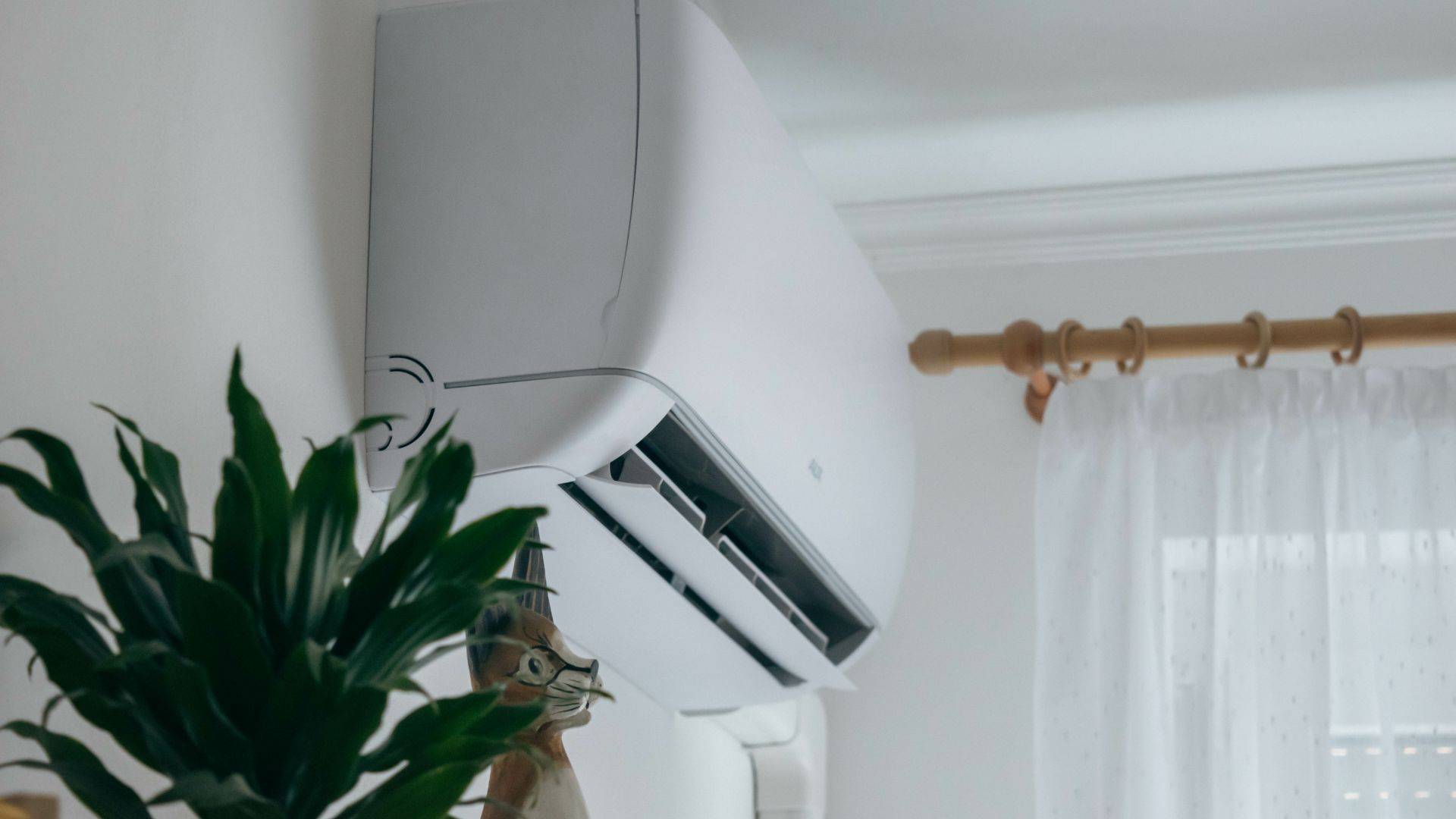
As the Delta breeze rolls in and the temperatures start to warm up, it’s time to make sure your mini-splits’ settings are adjusted for the changing weather. In Sacramento, we have hot, dry summers and cool winters. To maximize your family’s comfort and your home’s energy efficiency, you need to update your mini-splits settings to match the changing seasons.
Why Homeowners Want the Right Mini-Splits Setting
Mini-splits operate on a different design than traditional air conditioners. Because they are meant to run on low for extended periods, drastic setbacks can tax the mini-splits’ components and lead to higher energy costs. The best temperature setting approach is to select a range instead of picking a single magic number.
Ideally, you should choose a temperature range that lets you stay comfortable without wasting energy during our chilly winter mornings and hot summers. To help, we’ve compiled some of the best summer and winter temperature settings in Sacramento as well as effective operating habits that can enhance your family’s comfort.
Mini-Splits Settings at a Glance: Choosing the Right Temperature for Your Home
Each homeowner has different temperature preferences, so you may need to adjust your settings over time. As a starting point, we recommend using the following ranges for your temperature settings. You should set different temperature ranges for when you are at home, away, or asleep.
Summer Starting Range
During summer, the following temperature ranges should provide a good balance of comfort and energy efficiency.
- Home: 75°F to 78°F
- Away: 80°F to 85°F
- Overnight: 72°F to 75°F
Winter Starting Range
When winter rolls around, don’t forget to adjust your thermostat to match the changing weather.
- Home: 68°F to 72°F
- Away: 60°F to 64°F
- Overnight: 65°F to 68°F
Why Mini-Splits Usually Work Better With Steady, Consistent Settings
Ductless mini-splits rely on an inverter, which is why they can operate at a low level for extended periods of time. If you make drastic changes to your home’s temperature, it can strain the unit and lead to unnecessary wear.
How an Inverter Works and Why That Matters
Inverters can modulate the unit’s output. This basically means it can operate at different levels instead of simply being on or off.
As a result, mini-splits function best when they operate at a low level for extended periods of time. To optimize your comfort and energy efficiency, it’s better to keep your temperature between steady setpoints instead of constantly adjusting it.
Why Constant Changes Can Hurt Comfort
Sometimes, people try to save money by turning the mini-splits off for a while and then turning them back on when it gets too hot. Unfortunately, this will not help with energy efficiency or comfort. Mini-splits are made to operate at a low level for extended periods, so aggressive setbacks or manual changes can overwork your unit.
The Best Mini-Splits Settings for Summer
Let’s take a closer look at some of the best practices for summertime mini-splits settings in Sacramento.
Home Settings
For most Sacramento homes, 75°F to 78°F is a good range. However, the amount of sun exposure in the room can impact how comfortable this setting is. Additionally, you may want to use away settings for zones and rooms that aren’t occupied during the day.
Summertime Away Settings
When you’re away from home, you don’t have to cool it as much. However, you do need to keep the setback from being too extreme. Otherwise, your mini-splits will have to work too hard to catch back up later. For most homes, 80°F to 85°F will work fairly well.
Overnight Cooling
Hot temperatures can disrupt sleep, so you should generally set your temperature back to a range of 72°F to 75°F at night. Additionally, you may want to adjust the fan settings to a quieter level.
The Best Mini-Splits Settings for Winter
While Sacramento’s winters are fairly mild, it can still get chilly. To stay warm, remember to adjust your daytime, away, and nighttime settings.
Daytime Heating Setting
During the day, a temperature range of 68°F to 72°F offers a balance of comfort and energy efficiency.
Overnight Setback
When you’re covered up in bed, cooler temperatures feel comfortable. A temperature range of 65°F to 68°F will work well at night. Because mini-splits work best at a consistent, low level of operation, you don’t want to create an extreme setback at night.
Away Settings
To maximize your energy efficiency and make your unit’s comfort recovery easier, it’s best to set a temperature range between 60°F and 64°F when you’re away.
The Best Mode and Fan Settings for Maximizing Your Comfort and Energy Efficiency
In addition to setting the temperature, it’s important to understand how different modes affect your family’s comfort and the energy efficiency of your mini-splits.
Heat, Cool, Auto, and Dry Mode
You can set your thermostat’s mode to heat, cool, auto, or dry. In heat and cool mode, the unit will only heat or cool. Meanwhile, dry mode is useful when the air is too humid.
Auto mode should be used with care. It involves setting low and high limits that trigger the heating and air conditioning to turn on. While this might be convenient during our shoulder seasons, it can lead to wasted energy. For example, having the heat on during a cool morning and the air conditioning on in the afternoon means you’re using energy unnecessarily. Instead, allowing the temperature to drift lower in the morning enables you to cool less during the afternoon.
Fan Speed and Louver Direction
During the winter, angle your louvers down so that heat has a chance to reach the rest of the room before it rises. In the summer, you can reverse the louvers so that cool air can spread before the heat rises to replace it.
The Top Mini-Splits Setting Mistakes
To optimize your home’s comfort and energy efficiency, remember to avoid the following thermostat mistakes.
Setting Extreme Temperatures
When you get home from work and want to cool off, don’t set your thermostat extra low. Extreme temperatures won’t make the mini-splits heat or cool any faster.
Frequently Shutting the System Off
Shutting off the mini-splits to save money generally doesn’t help. These units are more energy efficient when they run at a stable temperature for an extended period instead of having to restart and recover from a significant setback.
Ignoring Dirty Filters and Airflow Essentials
When it comes to performance, dirty filters, closed-off rooms, and blocked heads can quickly harm performance. Fortunately, all of these problems are relatively easy to fix.
Fine-Tune Your Settings for the Room’s Function and Sun Exposure
For the best results, it helps to fine-tune the settings for each part of your home.
Hot, Sunny Rooms
West-facing rooms, upstairs spaces, and any area with large windows will get warmer. Because of this, you may need to cool these spaces more in the summer and less in the winter.
Bedrooms and Lightly Used Areas
Mini-splits are known for their zone control. This allows you to change the thermostat settings for different areas. If you use a home office during the day and never go into your bedroom or living room, your zone control means you can switch these rooms to the away setting and save money.
The Temperature Setting May Not Be the Problem
If fine-tuning your thermostat settings doesn’t work, the problem may be something else.
Signs You May Have a Performance Issue
Frequent error codes, ice buildup, unusual odors, odd noises, and weak airflow are all signs that you need professional repairs. If you’re experiencing a performance problem, setting the thermostat differently won’t help. As soon as you notice that your unit is acting unusually or struggling to reach a set temperature, you can reach out to our team for same-day services.
FAQs
What temperature should my mini-splits be set to in the summer?
It depends on whether you are at home, away, or asleep. Additionally, you will likely want to adjust the thermostat settings for different rooms in your home. We generally recommend a range of 75°F to 78°F when you’re home, 80°F to 85°F when you’re away, and 72°F to 75°F when you’re asleep.
Should I turn my mini-splits off whenever I am away from home?
For mini-splits, a moderate setback is more energy efficient than a full shutdown. Because it is easier for the unit to recover from, it also means your family can feel comfortable faster.
Is auto mode efficient on a mini-split?
It can be, but it depends. Auto mode can lead to unnecessarily heating or cooling your home right before the temperature changes later on in the day. Because of this, it’s good to be cautious. If this isn’t an option, you may be able to improve your efficiency by setting a broader temperature range.
Why do my mini-splits feel wrong even when the setting appears to be right?
While the setting may be accurate, extra sun exposure, poor airflow, or service issues could be making your home feel uncomfortable. If this is an ongoing problem, it’s a good idea to reach out to our team for professional assistance.
Update Your Mini-Splits’ Settings
With the help of Fox Family Heating & Air, you can keep your mini-splits operating at their best all year long. From tune-ups to performance tests, we can help you diagnose underlying problems and maximize your energy efficiency.
Schedule your next maintenance appointment today.
