Avoid Expensive Furnace Repairs This Winter 2025
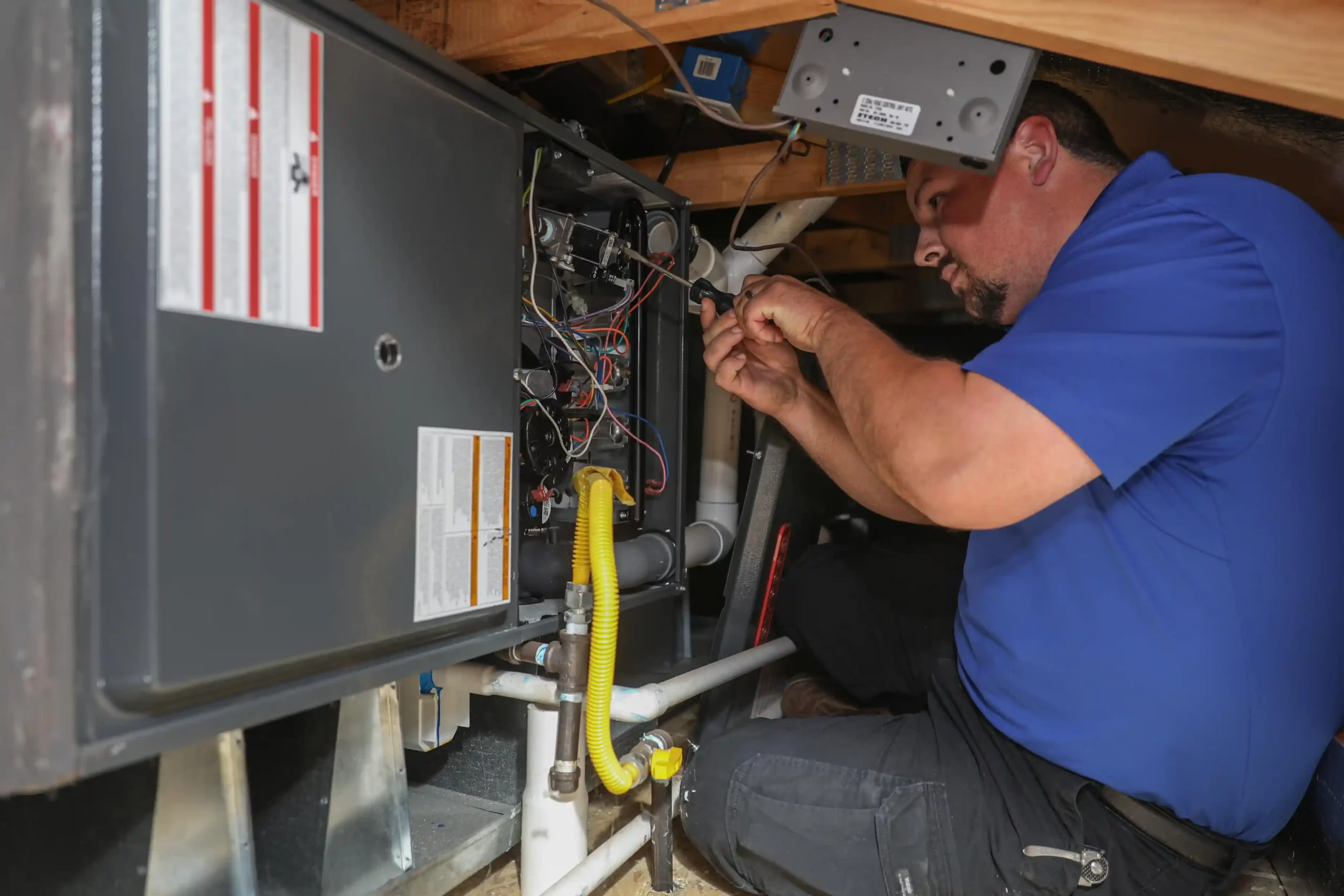
When the first real cold snap hits the Sacramento Valley, furnaces in Rancho Cordova and nearby neighborhoods often go from hardly running to working around the clock. That sudden change is when weak components fail, worn parts finally give out, and neglected systems break down at the worst possible time.
At Fox Family Heating and Air Conditioning, our technicians see the same pattern every winter. A little preparation in the fall could have prevented many of the expensive repairs we are called out to fix in December and January. The good news is that most of those breakdowns are avoidable with a few simple habits and a thorough tune up.
This seasonal guide walks homeowners through practical steps you can take right now to protect your furnace, lower the risk of major repairs, and keep your family comfortable through Winter 2025.
Why Winter Is Hard On Furnaces
Here in the Sacramento Valley, daytime temperatures are mild in the fall, then overnight lows drop quickly once the storms start rolling through in late November. By December and January, it is common to see mornings in the 30s and low 40s. That means your furnace cycles on more often and runs longer each time.
Several factors make winter especially tough on heating systems:
Much higher run time compared with shoulder seasons
Cold starts that stress the igniter and gas valve
Dry, dusty indoor air that clogs filters and components
Closed-up homes that reveal airflow problems and comfort issues
If the system has not been cleaned, inspected, and adjusted for the season, that extra workload can push already stressed components over the edge. Small problems that went unnoticed in October can turn into no-heat calls in January, often in the middle of a holiday weekend.
Prevention Tip 1: Schedule Professional Furnace Maintenance
If you only do one thing to avoid expensive furnace repairs this winter, make it a full maintenance visit before the coldest weather hits. A professional tune up gives a technician time to find small issues, clean critical components, and verify safe operation.
During a typical Fox Family Heating and Air Conditioning maintenance visit, our technicians may:
Inspect and clean the burners and flame sensor
Check ignition system operation and igniter condition
Verify inducer motor performance and pressure switch operation
Measure temperature rise and confirm proper airflow
Check electrical connections and amp draws on motors
Inspect the heat exchanger for signs of failure
Confirm safe venting and carbon monoxide levels
These checks help catch problems like a weak igniter, partially plugged burners, or a failing inducer motor long before they cause a complete shutdown. Replacing an igniter on your schedule is far less stressful than waking up to a cold house on the coldest morning of the year.
For Winter 2025, scheduling early is especially important. As soon as the first extended cold front hits Rancho Cordova, our schedule fills quickly with calls. Booking your maintenance in October or early November gives you more flexibility and often better appointment options.
Prevention Tip 2: Change Filters Regularly
Clogged filters are one of the simplest causes of furnace trouble, yet they remain one of the most common issues our technicians see on service calls each winter. A dirty filter restricts airflow, which can lead to:
Overheating and safety limit trips
Short cycling that wears out the furnace
Poor comfort and uneven temperatures
Higher SMUD or PG&E utility bills
Most one inch filters should be checked every 30 days during heavy heating use. Many Rancho Cordova homeowners are surprised how quickly filters load up once the furnace is running daily, especially in homes with pets or construction dust.
To stay ahead of problems:
Mark filter change dates on your calendar or phone
Keep a small stock of replacement filters in a closet
Make sure the filter is installed in the correct direction
Never run the system without a filter in place
If you are not sure which filter size or type is right for your system, ask your technician during your next maintenance visit. Using the wrong style of high restriction filter can cause problems just like a dirty one.
Prevention Tip 3: Keep Vents, Registers, and Returns Clear
Proper airflow is essential for safe furnace operation. When supply vents or return grilles are blocked by furniture, rugs, or boxes, the system has to work harder to move air. That extra strain can lead to overheating, blower motor issues, and comfort complaints.
Walk through your home and check:
All supply registers are open and not covered by rugs
Furniture or drapes are not blocking vents along walls or floors
Large return grilles are clear of dust, pet hair, and storage items
Rooms that are always too cold or too warm have good airflow paths
Closing too many vents in unused rooms is another concern. While it might seem like a way to save energy, it often creates higher static pressure inside the duct system. Over time, that extra pressure can stress the blower motor and contribute to duct leaks, which add up to wasted energy and uneven comfort.
Prevention Tip 4: Address Small Issues Early
Most furnaces do not fail without sending a few warning signs first. Homeowners in Rancho Cordova and Sacramento often notice little changes in how the system sounds or runs long before the heat stops completely.
Call for service if you notice:
New rattling, grinding, or squealing noises
A burning or electrical smell when the furnace starts
The blower fan running constantly or cycling oddly
Cold spots that never used to be there
The furnace starting and stopping more often than usual
Minor issues, such as a worn blower belt, a dirty flame sensor, or a weak capacitor, are usually inexpensive to fix when caught early. Left alone, they can develop into more serious problems that damage other components. For example, a simple airflow issue can eventually crack a heat exchanger if the system repeatedly overheats.
Prevention Tip 5: Know Your Furnace Age and Plan Ahead
Every furnace has a life expectancy. Many gas furnaces run reliably for 15 to 20 years when properly maintained, but once a system reaches that age range, the risk of major repairs goes up each season.
If your furnace is approaching 15 years old or more:
Locate the model and serial number on the data plate
Ask your technician to confirm the manufacture date
Keep a record of recent repairs and costs
Consider whether the next major repair should trigger a replacement conversation
Planning ahead helps you avoid being forced into a quick decision on the coldest day of the year. It also gives you time to explore high efficiency options that can lower your utility bills, especially with 2025 equipment standards and SEER2 and AFUE improvements.
Our team can provide honest guidance on whether it makes more sense to invest in a significant repair or start budgeting for a new system. The goal is to help you choose the option that fits your home, your comfort needs, and your long term plans.
The Furnace Repairs That Cost The Most
Not all repairs are created equal. Some parts are relatively inexpensive, while others represent a major investment. Understanding which repairs tend to be costly can highlight the value of preventive maintenance.
Common high cost furnace repairs in 2025 include:
Heat exchanger replacement or furnace replacement
Blower motor or variable speed ECM motor replacement
Control board failure
Inducer motor failure
Extensive rewiring or safety control replacements after overheating events
Exact pricing depends on the brand, model, and installation conditions, but major repairs can easily reach into the high hundreds or more. Heat exchanger problems often lead homeowners to consider full replacement, especially on older systems that are already inefficient.
A thorough tune up, proper airflow, and timely attention to warning signs significantly reduce the chances of these major failures. Spending a small amount on maintenance and minor repairs is almost always less expensive than a single large breakdown in the middle of winter. When we recommend maintenance, it is because we see every day how it protects our customers from these larger bills.
How Fox Family Heating and Air Conditioning Maintenance Plans Help
Many homeowners find that a maintenance plan is the easiest way to stay on top of seasonal tune ups and protect their equipment. Instead of hoping to remember once the cold front arrives, the plan sets a routine schedule and locks in consistent care.
Fox Family Heating and Air Conditioning maintenance plans typically include:
Regular heating and cooling tune-ups on a set schedule
Priority service during busy winter and summer periods
Discounts on repairs and replacement parts
Detailed documentation of system condition from year to year
This ongoing record helps our technicians spot patterns, such as components that are failing more often or parts that are becoming obsolete. It also gives you a clear picture of whether your system is aging gracefully or approaching the point where replacement might be the smarter investment.
If you would like to learn more about maintenance plans for your home in Rancho Cordova or Sacramento, our team can walk you through the options and help you choose the level of coverage that makes sense for your home and budget.
Ready To Protect Your Furnace This Winter
Winter 2025 is the perfect time to break the cycle of surprise breakdowns. A clean, well-maintained furnace runs more efficiently, keeps your home more comfortable, and is far less likely to fail when you need it most.
To schedule a furnace maintenance visit or request a quote on a maintenance plan, call Fox Family Heating and Air Conditioning at 916-877-1577, or book an appointment online. If you are already experiencing furnace issues, let our team know so we can prioritize your call.
Fox Family Heating and Air Conditioning serves Rancho Cordova, Sacramento, and Northern California. If you need help with furnace maintenance or repairs, give us a call!