Author: zeeshan@advantage-services.com

Heat Pump in Heat Mode But Blowing Cool Air – Causes & Fixes

While Sacramento doesn’t get nearly as cold as the rest of the country, winters can still be fairly chilly. Once temperatures start to drop, you can’t afford to have your heat pump not heating. If you have your heat pump in heat mode and no warm air is coming out, it’s time to call for professional help.

At Fox Family Heating and Air Conditioning, we have years of experience working with heat pumps in Sacramento. If your heat pump is blowing cold air, reach out to our heating, ventilation, and air conditioning (HVAC) experts for professional help.

Is Cool Air From a Heat Pump Normal?

If you’re used to a furnace, you may notice that heat pumps seem to blow colder air. This is because a typical heat pump produces air that is around 85°F to 95°F. In comparison, furnaces generally produce air that is around 120°F.

Rather than produce higher temperatures, heat pumps achieve the same room temperature by running for longer periods of time. When you feel the heat pump’s airflow, it may even feel like the same as the room’s temperature.

To troubleshoot, make sure your heat pump is switched to “heat” mode. Then, pay attention to your thermostat reading. If your home is staying at the appropriate temperature, your heat pump is likely operating normally.

Common Causes of a Heat Pump Blowing Cool Air

Why is my heat pump blowing cold air? If you are dealing with a heat pump not heating, one of the following issues is likely at fault.

Defrost Mode

Unlike furnaces, heat pumps have a defrost option. If the indoor humidity level is too high, the heat pump can reverse its operation. Until this mode switches off, you may notice the heat pump blowing cold air indoors and steam rising from the outdoor unit. Both of these signs are perfectly normal.

Wrong Thermostat Setting

One of the most common reasons for a lack of warm air is that the heat pump is stuck in cooling mode. To troubleshoot, check your thermostat to ensure it isn’t set to “cool” mode. You should also make sure that “emergency heat” hasn’t been disabled.

Dirty Air Filter

If the air filter is clogged, it can restrict the amount of airflow that gets into your heat pump. As a result, the air coming out of your vents may feel unusually cold.

Outdoor Unit Blocked or Frozen

You can experience heat pump issues in winter if snow, ice, or debris is clogging your outdoor unit. Once the unit is blocked or frozen, it will quickly lose its capacity to heat your home.

Low Refrigerant Charge

Unlike furnaces, heat pumps don’t produce heat to warm up your home. Instead, the system uses refrigerant to absorb and carry heat from outside. Even when the outdoor temperature is very low, the heat pump can still absorb the low level of heat in your home and bring it inside.

To do this, the heat pump relies on refrigerant. If your refrigerant levels are low, the heat pump won’t transfer heat efficiently. During a heat pump maintenance appointment, an HVAC technician can check your refrigerant levels and recharge them as needed.

Reversing Valve Failure

If the reversing valve has failed, your unit won’t be able to switch between its heating and cooling modes. This valve must be replaced in order for your heat pump to work properly all year long.

Faulty Sensors or Thermostat Issues

When a sensor is not working right, it can’t sense the air temperature and relay information to your thermostat. Similarly, thermostat problems prevent the thermostat from triggering your heat pump to turn on. While you can change the thermostat batteries on your own, thermostat and sensor replacements should generally be left to the professionals.

Ductwork Leakage

If your ductwork has gaps and pinpoint holes, air can get into your attic and garage. As a result, the inside of your home may feel cooler. You’ll also experience higher-than-normal energy bills until the ductwork is repaired.

DIY Checks You Can Safely Try

When you’re dealing with a heat pump blowing cold air, there are a few simple heat pump troubleshooting tips you can use to remedy the problem. If these tips don’t work, you should schedule heat pump repairs and get professional help.

  • Check the thermostat to see if it is set to “heat” mode.
  • Raise the set temperature by 2 to 3 degrees to see if the unit kicks on.
  • Clean or replace your air filter.
  • Remove debris and snow from around your outdoor unit.
  • See if the outdoor unit is currently operating in defrost mode.
  • Check the outdoor unit for ice buildup. Never try chipping the ice off because this can hurt your heat pump.
  • Open the vents and registers in each room.

For your safety, you should never do any work that involves opening panels, dealing with electrical components, or recharging refrigerants. Only licensed HVAC technicians should handle these tasks.

When To Call a Professional HVAC Technician

If your heat pump is blowing room temperature air, it’s likely time to have your unit serviced. Give us a call if you experience any of the following symptoms.

  • The heat pump continues to blow cold air for 20 to 30 minutes.
  • Ice buildup on the outdoor unit isn’t melting on its own.
  • You noticed short cycling, burning smells, or rattling noises.
  • The outdoor fan isn’t running.
  • The unit keeps switching between different modes.
  • The thermostat isn’t responding or showing any error codes.
  • You have tried the previous troubleshooting steps, and nothing has helped.

Why Heat Pumps Struggle in Cold Weather

Sacramento is a good location for heat pumps because of the area’s mild winters. However, even with modern heat pumps, some performance can be lost as the temperatures drop. In particular, older units often struggle with Sacramento’s cold winter mornings.

Fortunately, you can avoid performance problems and unexpected breakdowns through timely maintenance. In general, we recommend having a heating tune-up performed each fall before the weather cools significantly.

Prevent Future Heating Problems

To keep your heat pump from having a problem in the future, remember to use the following preventative maintenance tips.

  • Replace your filters every 30 to 90 days, depending on the manufacturer’s specifications.
  • Clear space around the outdoor unit.
  • Schedule an annual heat pump tune-up each fall.
  • Pay attention to unexplained spikes on your energy bill.
  • Never block your home’s vents or ducts.

Why Homeowners in Rancho Cordova Trust Fox Family Heating and Air Conditioning

When a heat pump is not heating, residents trust Fox Family Heating and Air Conditioning to help. Homeowners turn to us for a few key reasons.

  • Family-Owned Company: Our family-owned business is locally based in Sacramento.
  • Licensed Technicians: All of our HVAC technicians are licensed and certified.
  • Transparency: We offer transparent pricing and honest diagnosis help.
  • No-Pressure Recommendations: Once we recommend the best course of action, the next step is up to you.
  • Top-Rated Support: Over the years, we’ve received thousands of 5-star reviews.
  • Fast Services: When you’re struggling with no heat, you can count on us to respond quickly.

Prepare Your Home for Winter

Still shivering in the cold? If your heat pump is blowing cold air, call Fox Family Heating and Air Conditioning today for expert heat pump repairs.

A-picture-of-Sacramento

How Tule Fog Affects Your Heating Needs In Sacramento Winters

When tule fog arrives, it’s normal to experience gray skies all day and a chilly home. Even though your thermostat says that it is set at the right temperature, you may struggle to warm up.

Tule fog is a normal part of wintertime in Sacramento. To learn more about what it is, how it affects temperature, and how you can stay comfortable, read on.

Understanding Sacramento’s Famous Winter Fog

When the ground is moist and cools rapidly at night, it causes a dense, low fog to blanket the Central Valley. This fog is common from late fall to early spring.

Tule fog forms after it rains when we have light wind, long nights, and cold air. It is unique to the Central Valley, affecting neighborhoods from Bakersfield to the Sacramento Valley.

Tule Fog, Sunlight, and That Damp, Bone-Chilling Cold

When tule fog arrives, it’s because a few different weather conditions are in play. Because of the tule fog, you may feel bone-chilling cold and enjoy less sunshine in your home.

Less Sun, Less Natural Warming

As this thick fog blankets the landscape, it ends up blocking the sunshine. Because of this, homes don’t get to enjoy the normal daytime boost of warmth that the sun brings.

At night, this means that your home starts the evening with cool indoor temperatures. Your heater has to work harder to reach the same level of warmth, increasing the wear on your heating system.

Damp Air and Cold Surfaces

When we have foggy days, it leads to additional moisture in the air and on surfaces outside. As a result, your exterior walls, floors, and windows may feel cold to the touch. Additionally, these cold surfaces can “steal” heat from the body. Even when the temperature is 68°F to 70°F inside your home, it can feel like it is actually in the mid-60s.

Inversions and All-Day Chill

Normally, the air grows colder as you go higher above the Earth. With an inversion, a layer of cold air sits beneath warmer air. During tule fog events, cold, moist air is next to the ground. Warmer and drier air sits above it. Because of this inversion, the ground remains chillier during the day.

What Foggy Stretches Mean for Your Furnace and Bills

Besides causing added discomfort, tule fog can lead to higher energy bills and more wear on your furnace.

Longer Run Times on Foggy Days

Because your house loses heat faster on a foggy day, you may notice that your heater is on for longer. Thanks to the fog, you also aren’t gaining any solar heat. For both of these reasons, you may hear your furnace cycling more or notice an extended runtime on your thermostat.

Higher Thermostat Settings for The Same Comfort

When dealing with fog for long stretches of time, many people end up increasing their thermostat setting by a degree or two. Although this is a fairly common response, you can alleviate the need for a higher temperature by improving the insulation and duct sealing in your home. These two measures can prevent heat from escaping, so your heating system doesn’t have to work as hard to keep your home warm.

More Wear and Tear Over a Long Fog Season

Sometimes, we’ll get stuck in a multi-week tule fog pattern. When this happens, your system can log many extra hours. Because of this, getting heat pump and furnace maintenance is especially important during foggy winters.

Valley Gloom Versus Foothill Sunshine

While the valley and foothills are relatively close to each other, they each experience drastically different winters. As a result, how you set your thermostat will vary based on which microclimate you’re in.

“Two Different Winters” in One Region

In our area, you’ll notice that the valley experiences dense fog in the wintertime. Just miles away, the foothills will enjoy clearer, warmer weather on the same day. If you live in Folsom, El Dorado Hills, or the lower foothills, you’ll get to enjoy more sunshine and less fog than residents who live near the river bottoms or downtown.

What That Means for Your Thermostat

In practice, this temperature and weather variation impacts your thermostat settings and how much your heating system has to work. Valley homeowners need more consistent heating on foggy weeks. Meanwhile, homes in the foothills can back off during the day as sunshine provides solar heat.

These microclimates are a perfect example of why it is so important to get your home’s heating, ventilation, and air conditioning (HVAC) professionally sized. Two homes can have the same square footage, but they will require different HVAC sizing to match the strikingly different weather patterns in each microclimate.

Drafts, Insulation, and Windows Show Up Fast in Fog Season

When foggy weather arrives, you’ll quickly notice any drafts you may have in your home. Finding and remedying drafts can improve your family’s comfort and monthly energy bills.

Drafty Doors and Windows on Foggy Mornings

Chilly, damp air can get into your home if your doors or windows aren’t sealed properly. You can check your seals by feeling for drafts. Then, you can use weatherstripping, caulking, and door sweeps to seal up gaps.

Attic and Wall Insulation Underperforming

When the sky is gray, and tule fog rolls in, poor insulation is really obvious. If your insulation isn’t good enough, you’ll notice that upstairs rooms seem to cool unusually fast and stay cold. Fortunately, this problem can be fixed through better insulation. By adding or improving the insulation in your attic, you can prevent heat from escaping into the cold.

Single-Pane or Older Windows

When we’re experiencing a foggy stretch, you may notice that older windows feel icy. This can worsen the feeling of being cold at 70°F. Old, single-pane windows increase heat transfer, allowing your warm air to escape. While a full window replacement is ideal, it can be expensive. In the short run, thermal curtains can help your home retain more heat.

Fog Outside, Stuffy or Stale Air Inside

Tule fog doesn’t just impact your home’s temperature and comfort level. It can also make a difference in your air quality, especially if your home is closed up for any length of time.

Closed-Up Homes and Stale Air

On foggy days, people often close their windows and blinds. This can cause your rooms to become stuffy, and it prevents bad odors from escaping.

When it comes to air quality, you can make a difference by changing your filter regularly. A clean filter ensures proper airflow and can alleviate stagnant air.

Air Quality Concerns in a Foggy Valley

During a fog event, the fog can trap pollutants in the air. As a result, it can impact the respiratory health and comfort of sensitive individuals.

Because of this, you may want to invest in whole-home filtration or a filter upgrade. Higher MERV ratings can trap smaller air particles, although it’s important to make sure your HVAC equipment is capable of handling higher ratings.

What Sacramento Homeowners Can Do Right Now

As a homeowner in Sacramento, it’s important to be proactive. Through smart thermostats and important comfort checks, you can ensure your home is ready for the next fog event. If a problem does occur, reach out to our HVAC team for professional repairs and support.

Quick DIY Comfort Checks

During tule fog events, there are a few comfort checks you can perform to make sure your heating system is prepared for the weather change.

  • Depending on the manufacturer, you should clean or change your air filter every 30 to 90 days.
  • Throughout each month, you should make sure your return and supply vents are open and unobstructed. Remove any furniture, rugs, or clothing that are blocking the vents.
  • Walk around your home to feel for a draft around each door and window. Additionally, check for drafts around the electrical outlets that are located on exterior walls.
  • To keep your floors from feeling too cold, add rugs to tile and hardwood floors.
  • When the fog starts to lift, open your blinds so that sunshine can warm your home.

Smart Thermostat and Fan Settings for Foggy Days

To keep your home warm, we recommend performing small, steady temperature adjustments. If you try to set drastic swings between daytime and nighttime temperatures, your system may struggle to keep up.

You can also use the fan setting to even out temperatures between different rooms. This is especially effective during the mid-afternoon when your heating system might not be on as often. By turning the fan on, you can circulate and mix air in different rooms to ensure an even level of warmth.

When To Call in a Pro

If you notice that your furnace is running constantly or your room doesn’t warm up, it’s time to call a professional. Aging equipment, duct leaks, and sizing issues are problems that are difficult to spot on your own, which is why it’s so important to schedule routine maintenance and timely repairs.

Local Pros Who Know Sacramento’s Foggy Winters

At Fox Family Heating and Air Conditioning, our technicians live and work in the same foggy Sacramento and Rancho Cordova neighborhoods that you do. Because of this, we understand the type of upgrades and repairs you need to stay comfortable during chilly weather. Throughout the area, we’re known for having certified technicians, fast response times, transparent prices, and exceptional customer service.

Our experienced technicians offer a range of services that are helpful during the tule fog season.

  • Comprehensive heating tune-ups
  • Ductwork inspection and sealing
  • Comfort evaluations that look at your home’s airflow, insulation, and thermostat location

If we discover any issues, we’ll give you our recommendation in plain language. We’ll discuss small fixes that can resolve the problem and long-term upgrade needs, so you can plan ahead.

Before we head into the next long fog stretch, make sure your heating system is prepared. Call today to schedule a winter heating check or comfort consultation.

Common Questions About Tule Fog and Home Heating

To help you stay warm and comfortable during tule fog, we’ve compiled some of the most frequently asked questions that we hear.

Does tule fog actually make my house colder, or does it just feel that way?

Absolutely. When humidity levels rise and the air is saturated with moisture, it makes cold temperatures have a “chilled-to-the-bone” effect. Even indoors, this dampness makes the air feel colder than it normally does at the same temperature. If you don’t have any HVAC equipment on, your home will get colder.

However, if you have a furnace or heat pump, your unit will still heat your home to a set temperature. Even though it’s at the same temperature, it may feel chillier.

Should I turn my thermostat higher when the fog rolls in?

It isn’t necessary to change your thermostat setting. If you do, your furnace will simply run longer and use more energy to heat your home. To make your home more comfortable, you may want to consider a dehumidifier instead.

Is it normal for my heater to run more during a long, foggy stretch?

Yes, it is. Fog often brings along higher humidity levels and lower temperatures, which force your heater to run for longer periods of time. However, if it seems like your heating system is running nonstop, it’s a good idea to schedule an HVAC tune-up and get it professionally inspected.

Can better insulation really help on foggy winter days?

Anything you do to prevent heat loss can improve your energy efficiency and boost your comfort. Besides getting better insulation, you can also try sealing duct leaks. Gaps around windows and doors allow heated air to escape, so caulking and weatherstripping can help you stay warm.

How often should I service my heater if we get a lot of fog in my area?

We recommend getting your heating system serviced at least once per year. Then, your cooling system can be serviced in the spring before the first heatwave arrives. If you notice any signs of a problem in between, reach out for professional heating repairs and maintenance.

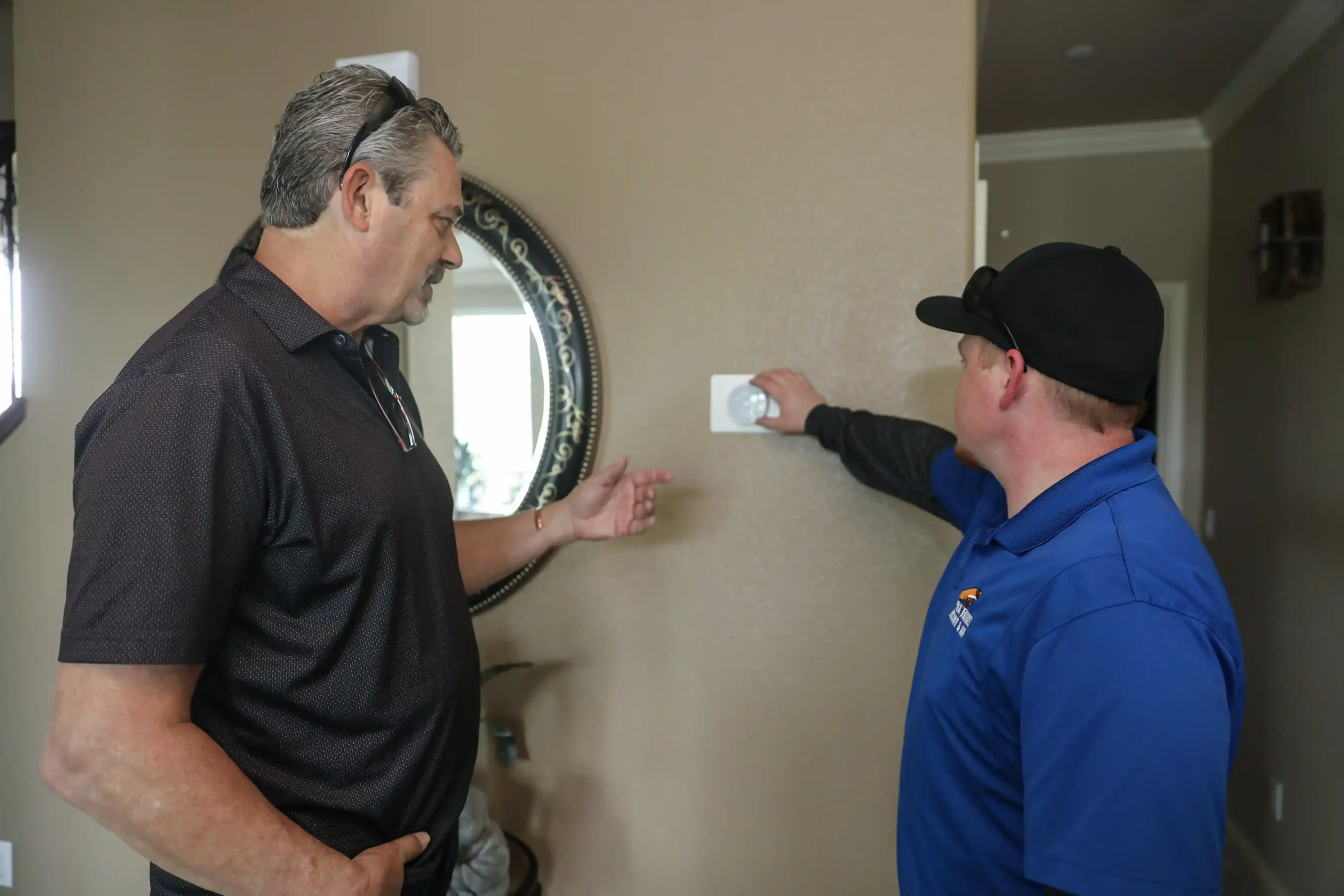
Fox Family Heating & Air Conditioning technician helping a homeowner adjust a smart thermostat on the wall.

Why Sacramento Homes Still Feel Cold Even When The Thermostat Says 70° In Winter

It might be a balmy 70°F indoors, but you wouldn’t know it if you looked in the window of a typical Sacramento home. Despite the thermostat’s settings, everyone is wrapped up in sweaters and blankets.

This type of experience is incredibly common in Sacramento, but you don’t have to just put up with it. With a few DIY checks and the right professional solution, you can keep your family warm this winter.

Why 70°F Feels Different in Sacramento Than on Paper

There are a few contributing factors that make Sacramento’s homes feel different in reality than the thermostat suggests.

Dry, Chilly Air and That “Bone Deep” Cold

In our area, winter weather often feels colder than the figure on the thermostat because of the dampness, cloudy days, and wind. Even though the air temperature might look warm, our bodies may not feel the same in that space. When the humidity level increases or decreases, it can make your home feel warmer or colder, even when the temperature feels exactly the same.

Your Body, Clothing, and Activity Level Matter, Too

Another important factor is what you’re wearing and your activity level. If you’re sitting at a computer, you’ll feel colder at the same temperature than someone who is cooking, exercising, or cleaning. Additionally, older adults and children often need warmer spaces or better layering to stay comfortable.

The Number on the Wall Is Not the Whole House

One common problem in Sacramento homes is that people expect the thermostat reading to represent the entire home, but this is often not the case.

Thermostat Location Problems

If your home’s thermostat is located near a warm hallway, sunny wall, or kitchen, it will appear to have a warmer temperature than the rest of your home. Because of this, it can trick the system into thinking it’s at the right temperature prematurely. As a result, your bedrooms and other spaces can feel extra cold when the thermostat’s location is warm.

The best option is to move your thermostat’s location to an interior wall in one of the rooms you use the most. In addition, make sure it is away from direct sunshine and drafts.

Hot and Cold Spots in Two-Story Homes

Warm air naturally rises, which is why upstairs rooms can feel especially warm. Many Sacramento floor plans struggle with this issue, especially homes that have vaulted ceilings and large, open spaces.

When Your Home Is Letting the Heat Slip Away

Besides general factors that make your indoor temperature feel especially cool, your home also has unique issues that may be letting heat out.

Drafty Windows and Doors

Air leaks can often develop around doors, windows, and recessed lights. Because of this, your 70°F home may feel chilly. Checking for drafts, caulking gaps, and installing weatherstripping can help you maintain a comfortable indoor temperature.

Poor or Uneven Insulation

As attic insulation settles or gets pushed aside, it can allow heat to escape. Additionally, many older homes didn’t have the right insulation to start with. In older Sacramento homes, exterior walls aren’t always insulated. Any time there is inadequate insulation, walls and ceilings can steal heat from your body and make you feel cold.

Cold Floors, Especially Over Garages or Raised Foundations

When you walk on a tile or wood floor, it can feel icy. Besides sealing gaps or improving insulation, you can also try adding a rug to make the floor feel warmer.

When Your Furnace Works, but the Heat Does Not Reach You

Sometimes, a chilly indoor environment is due to an issue in your heating, ventilation, and air conditioning (HVAC) system.

Leaky or Disconnected Ducts

Over time, duct leaks and gaps can develop that release conditioned air into an uninsulated attic and crawl space. If this is the case, you’ll likely notice that one room is unusually cold or your home has especially weak airflow. Additionally, the furnace may run nonstop to keep up.

Poorly Designed or Unbalanced Duct System

If you don’t have enough supply registers or they are too small, it can lead to uneven temperatures and extended runtimes.  

Blocked Vents and Furniture Placement

Sometimes, supply and return vents can become blocked by curtains, rugs, and couches. To avoid this problem, try walking through your home periodically to make sure they are open and clear.

Is Your Heating System the Right Size and in Good Shape?

If your heating system is poorly sized or maintained, it can impact how effective it is at heating your home.

Undersized or Oversized Equipment

When a furnace is undersized, it has to run constantly to reach the appropriate temperature and never becomes fully comfortable. Meanwhile, oversized furnaces reach the temperature too quickly, which causes short cycling. Besides leading to inconsistent temperatures, this type of short cycling can also result in premature wear and tear.

Dirty Filters and Lack of Maintenance

When an air filter or blower is dirty, it can restrict your system’s airflow. As a result, your home can feel extra cold. To avoid this issue and ensure your family’s comfort, it’s important to remember your filter changes and annual tune-ups.

Ageing Furnaces Losing Efficiency

As furnaces grow old, they become less efficient and may struggle to deliver strong, consistent heat. If your furnace is older, requires frequent repairs, or is unusually noisy, it’s a good idea to schedule a professional inspection before the cold season begins.

Daily Habits That Fight Against Your Thermostat Setting

Even when your thermostat has the right temperature setting, there are a few daily habits that could be getting in the way of your family’s comfort.

Constantly Turning the Thermostat Up and Down

When you keep turning the thermostat up and down, it can make your home temperature feel less stable. If the swings are especially large, it can also increase your bills. Instead of big jumps, prioritize small, steady adjustments.

Closing Vents in Unused Rooms

Sometimes, homeowners will close vents when they don’t need an individual room heated. This changes the pressure in your system, leading to an unbalanced system, increased noise, and cold spots. Over time, it can also lead to added wear and more frequent repairs.

Not Using Fans Correctly in Winter

Ceiling fans can change rotation based on the time of year. During the winter, the rotation must be switched so that it pushes the warm air gently down. For the best level of comfort, fans should also be turned on low.

Action Plan for Sacramento Homeowners

From DIY checks to comfort upgrades, there are a few steps you can take to stay warm this winter.

Quick DIY Checks You Can Do This Week

With the following checklist, you can keep your home comfortable.

  • Check and replace your furnace filter every 30 to 90 days.
  • Periodically, inspect your supply and return vents to make sure they are open.
  • Walk around your house to find drafty areas. Then, use caulking and weatherstripping to stop air from escaping.
  • Add rugs to your coldest rooms, especially spaces that have tile or wood floors.
  • Switch your fan to “auto” instead of “on” or vice versa to see which one makes your home feel more comfortable.

Comfort Upgrades That Make a Big Difference

If your home still isn’t comfortable, talk to our HVAC technicians about upgrades that can help.

  • Smart or Programmable Thermostat: A thermostat upgrade can ensure more consistent temperatures and help you avoid drastic swings.
  • Duct Sealing: Sealing your ducts or redesigning the ducts can help you prevent conditioned air from leaking out.
  • Insulation: Adding insulation to your attic and sealing gaps can reduce the amount of heat that escapes.

When It Is Time To Talk About Repair or Replacement

In some cases, you can improve your home comfort by updating your thermostat settings, adding insulation, and changing your daily habits. However, the following situations strongly indicate that a furnace repair or replacement may be the best option.

  • Your energy bills have risen without any noticeable change.
  • The furnace is constantly running.
  • No matter what the thermostat says, some of the rooms in your house are unusually cold.
  • You keep experiencing frequent breakdowns.

Local Help When Your Home Feels Cold at 70°F

At Fox Family Heating and Air Conditioning, we have helped many Sacramento and Rancho Cordova homeowners deal with this type of common complaint. With our thorough heating inspections and comprehensive ductwork evaluations, we can help you determine the cause of your heating issues.

Once we’ve evaluated your home’s HVAC setup, we will provide honest HVAC replacement advice and no-pressure recommendations. Our goal is to ensure a fast, honest, and friendly experience for every resident.

Tired of shivering in your home? Call today for a comfort evaluation before our next cold snap.

Frequently Asked Questions About Thermostat Settings and Cold Homes

To help you stay comfortable each winter, we’ve compiled some of the most frequently asked questions that we hear.

Is 70°F a good winter thermostat setting for Sacramento homes?

For most homes, 70°F will feel like a very comfortable thermostat setting. If you are trying to save money on your energy bill, 65°F is also a good setting.

To maximize your comfort and energy savings, program different temperatures for each time of day. Most people can tolerate a colder indoor temperature when they are asleep. You can also set a cooler temperature when you are away from home.

Why are my bedrooms colder than the rest of the house, even with the heat on?

This can occur for multiple reasons, such as poor insulation, drafts, leaky ductwork, and airflow-related problems. To figure out the underlying cause, schedule a winter heating inspection.

Should I turn my thermostat higher at night if I still feel cold at 70°F?

If you’re struggling to stay warm at night, you can absolutely turn your thermostat up. However, you should also consider a furnace inspection. When homes still feel cold at relatively high temperatures, it may indicate leaky ducts or other HVAC malfunctions.

Can duct leaks really make my house feel cold even if the furnace is working?

Absolutely. When you have leaky ducts, they allow heated air to escape as it travels to other rooms. Besides causing some rooms to feel unusually cold, it also forces your furnace to work extra hard.

How often should I schedule heating maintenance to keep my home comfortable?

We recommend scheduling a heating maintenance appointment each fall. By being proactive, you can avoid unexpected breakdowns, prevent costly repairs, and ensure a more comfortable home.

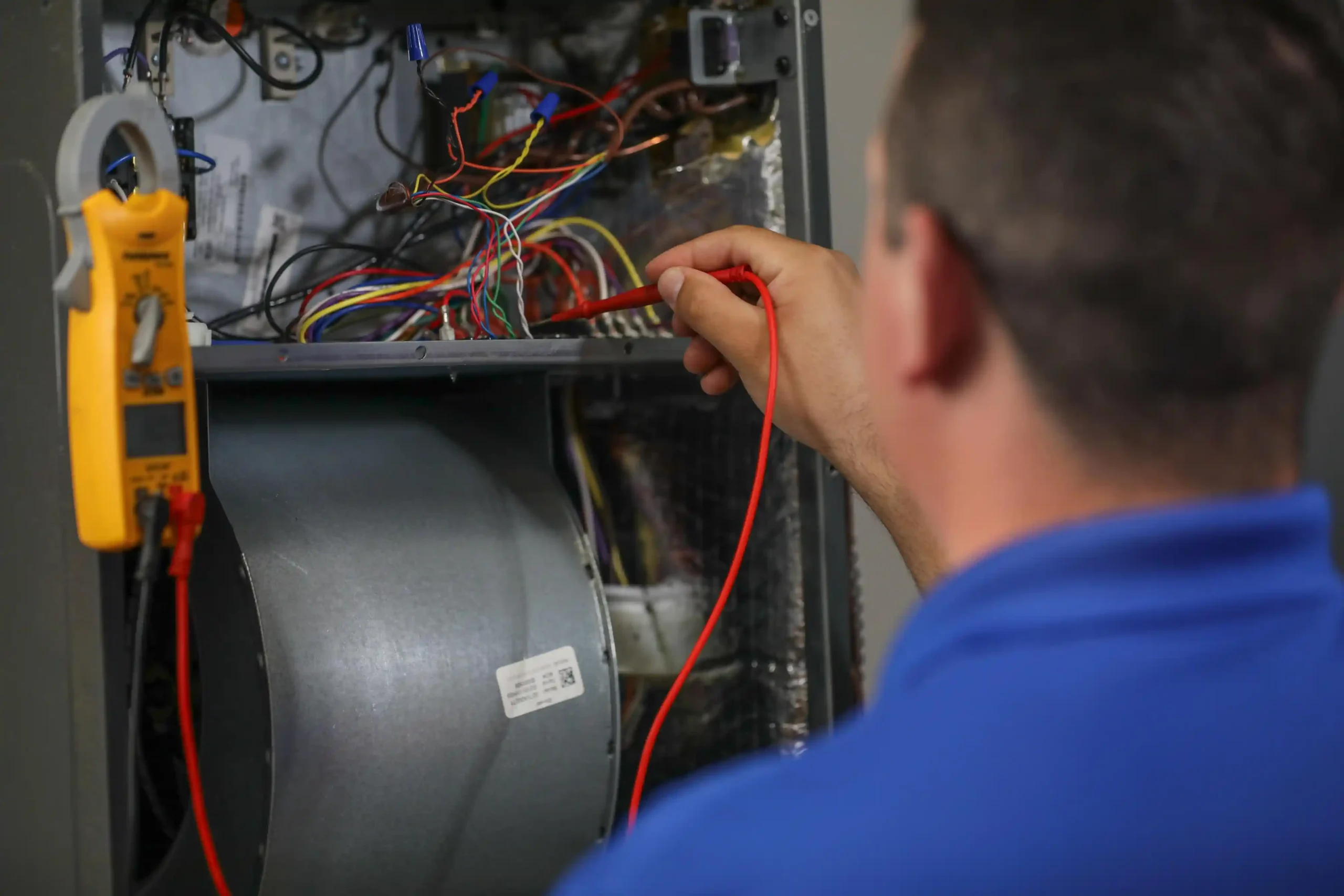
Fox Family Heating & Air Conditioning technician using a multimeter probe to test wiring inside a furnace.

Gas Furnace vs Space Heaters: Which Is Actually Safer And Cheaper For Your Home?

As Diablo Winds blow across the city, a sweatshirt won’t cut it anymore to keep you warm. The arrival of winter means it’s time to crank up the heat.

The only question is how you will warm your home. While a space heater might work for a single room, a furnace provides a powerful warmth that can heat your entire building. As a homeowner, you’re naturally concerned about the safety, comfort, and costs involved in using each option.

At Fox Family Heating and Air Conditioning, we understand the types of heating, ventilation, and air conditioning (HVAC) solutions local residents need. To help you make smart heating decisions this year, we’ll dive into some of the major differences between space heaters and gas furnaces.

Gas Furnaces Vs. Space Heaters: A Quick Overview

First, let’s look at how these two types of heating systems work.

What Is a Gas Furnace?

A gas furnace is a central heating system that heats air. Once it is heated, the air is transferred to the rest of your home through a network of ducts. Gas furnaces burn gas, so they heat your home through combustion.

This type of system must be installed permanently in a specific location in your home. Before you can use it, it has to meet local codes and pass an inspection.

What Is a Space Heater?

Meanwhile, a space heater is designed to be portable, so you can move it between different rooms or spaces you want to heat. While gas furnaces can heat your entire home, space heaters are only intended for a small area. Depending on your needs, you may use an electric, infrared, radiant, gas, or propane space heater.

Many homeowners like space heaters because they have a low upfront cost. They’re easy to move around, which allows you to quickly heat cold spots in your home.

Safety Showdown: Which Option Really Keeps Your Home Safer?

When comparing different heating systems, safety is one of the most important factors to consider. Let’s break down the safety risks and protections offered by each heating system.

Fire Risk

Furnaces have extra protective measures that are designed to prevent fires. They are installed with proper clearances, safe venting, and important safety controls.

In comparison, space heaters can be placed anywhere. While they should never be put within three feet of furniture, bedding, or curtains, this often happens. When they are too close to furnishings, they can start a fire.

Besides poor placement, there are also major risks posed by overloaded power strips and blocked airflow. If the space heater is knocked over, it can start a fire.

Carbon Monoxide and Indoor Air Quality

When it comes to carbon monoxide and indoor air quality, gas furnaces pose more of a risk than most types of space heaters. Gas furnaces burn gas through the combustion process, so neglected maintenance or faulty venting can lead to a carbon monoxide (CO) risk. This is why it’s so important to invest in regular furnace maintenance and periodically test your CO detectors to make sure they are fully functional.

In comparison, electric space heaters don’t rely on combustion. They typically use convection or radiant heat to warm and circulate the air. However, there are still potential dangers involved, such as overheated wiring and outlets.

Kids, Pets, and Everyday Life

If you have pets or kids, space heaters can pose serious risks. They have hot surfaces that can be touched by little ones. Additionally, the cords pose a tripping hazard if they are in a high-traffic area. While you can mitigate these risks, a space heater will require constant supervision while it is running to ensure no animals or children end up getting hurt or starting a fire.

Code Compliance and Insurance

When you install a furnace, it must be properly sized, permitted, and inspected. Unfortunately, there are no similar requirements for space heaters. Many space heater fires occur because of old equipment, misuse, or faulty wiring. If there is a fire incident with a space heater, continuing to use it can invalidate some types of insurance policies.

Safety Bottom Line

If your gas furnace is properly installed and maintained, it will generally be the safer long-term option for whole-home heating. In comparison, space heaters should be primarily relegated to occasional, carefully used supplemental heat.

Cost Comparison: What Is Actually Cheaper To Run?

As a homeowner, the cost of heating your home can quickly add up. In fact, the average American home spends around half of its annual energy bill on heating and cooling costs. To reduce your heating costs this winter, take a look at the cost to run space heaters vs. furnaces.

Upfront Costs

A gas furnace requires a higher upfront investment because of the equipment and installation costs. In comparison, space heaters are cheap to buy and have no installation cost. However, this is only a part of the overall cost.

Operating Costs and Energy Use

When it comes to day-to-day operations, a modern, high-efficiency furnace uses a limited amount of gas to heat your entire home. Electric space heaters use electricity, which is more expensive per unit of heat. If you have to use the space heater for many hours per day, this cost can quickly add up.

Whole-Home vs Single-Room Heating

A space heater is often a good choice if you:

  • Plan on spending time in just one room for a few hours.
  • Need extra warmth for a specific space, such as a nursery, home office, or basement.

A furnace will save you money if you:

  • Have a family that uses multiple rooms.
  • Require heat for many hours a day over the entire season.

“Turn the Furnace Down and Use Space Heaters” Strategy

Sometimes, homeowners try to maximize energy savings by lowering their thermostat and then using space heaters in occupied rooms. However, this method can backfire in several important ways.

First, it means you have multiple heaters running at once. Often, families will require space heaters in multiple rooms because not everyone will stay in the same room for the whole day.

It gets fairly chilly in winter, so space heaters often run for long periods of time. This extended runtime will offset any gas savings by increasing your electricity bill.

While this strategy may occasionally help if you’re just in a single room for a short time period, it is not effective for multiple rooms or long-term use.

Long-Term vs. Short-Term Costs

When comparing the price of both heating options, it’s important to consider the long-term and short-term costs involved. Furnaces are a long-term investment that will typically last for 15 years or more if they are properly maintained. In comparison, space heaters tend to have short lifespans and aren’t intended to be a primary source of heat.

Comfort, Convenience, and Noise

Next, let’s dive into the comfort, convenience, and noise involved with each heating system.

Even Heat Throughout the Home

If you want even heat, furnaces are the clear choice. A gas furnace is able to provide consistent, even temperatures in every room of your home. Meanwhile, space heaters are only designed to be in individual rooms. Even within the same room, they can create hot and cold spots.

Convenience and Ease of Use

With a furnace, you gain thermostat control of the system. If it’s a smart or programmable thermostat, you can set it to the exact comfort level you want and forget about it.

Space heaters don’t offer the same level of control or convenience. Each time you want heat in a different area, you have to move the space heater, plug it in, and adjust the temperature. Afterwards, you have to watch the space heater to make sure it doesn’t start a fire or tip over.

Noise and Lifestyle

In most homes, the sound of a furnace’s operation and fans is mostly unnoticeable. Once the furnace kicks on, the sound just becomes background noise. In comparison, many types of space heaters produce a fairly distracting buzzing sound when they are running. Whether you need to work on a project, sleep, or enjoy time with your family, this sound can get in the way.

When a Space Heater Actually Makes Sense

Although there are many advantages to getting a gas furnace installed, there are a few instances where a space heater is a better option. However, to ensure the health and safety of your family and home, it’s important to be cautious about how you use them.

Smart, Limited Use Cases

Space heaters can be an incredibly effective way to heat a drafty office or workshop. If you rarely use a room or simply need a short-term boost on an unusually cold morning, they are a good option. Similarly, space heaters can be a lifesaver if you need a backup heat source while you wait for furnace repairs.

Safety Tips for Using Space Heaters

To protect your family and home, remember the following safety tips and best practices.

  • Never plug a space heater into an extension cord. Instead, plug it directly into a wall outlet.
  • There should always be three feet of space around the space heater.
  • When you go to bed or leave the room, turn off the space heater.
  • Immediately replace a recalled, older, or damaged unit.

When a Gas Furnace Is Clearly the Better Choice

While there are instances where using a space heater makes sense, gas furnaces are the clear winner in most situations.

For Whole Home, Everyday Heating

If your family uses multiple rooms at once, gas furnaces are the more comfortable and cost-effective option. Similarly, gas furnaces are a better choice if you need consistent warmth over an extended heating season.

For Long-Term Savings and Home Value

When you upgrade to a modern, high-efficiency furnace, it’s a long-term investment in your home’s energy efficiency. Through a properly sized system, you can maximize your family’s comfort. Additionally, an energy-efficient furnace can maximize your home’s resale value.

For Peace of Mind and Safety

With a furnace, you can enjoy better peace of mind. The unit is professionally installed and maintained, so you don’t have to worry about its functionality. It features proper venting and built-in safety controls, ensuring your family’s safety. Plus, scheduling routine furnace tune-ups can help you catch minor problems and safety risks before they become a problem.

How To Decide What Is Right For Your Home

To decide which option is best for your home, there are several factors you need to consider. If you are unsure about what to do, one of our experienced HVAC technicians can evaluate your situation and help you decide.

Questions To Ask Yourself

Before you choose the right heating method for your needs, consider the following factors.

  • How many rooms does your family typically occupy?
  • What is the age of your furnace? Is it still performing well?
  • How do your local gas and electricity rates compare?
  • Are there any children, pets, or older adults living in the home?

Why Working With a Trusted HVAC Pro Helps

If deciding on the right heating system is challenging for you, reach out to our team for extra help. One of our trusted HVAC professionals can perform a full home inspection and a professional load calculation. This will help us determine if your existing furnace is undersized or oversized. If upgrades, repairs, or tune-ups need to be performed, we can immediately recommend the best course of action.

Over the years, we’ve built our reputation on providing honest, transparent guidance for local homeowners. Besides helping you find the right system for your needs, we’ll also recommend the best ways to strategically and safely use supplemental heat.

Get a Professional HVAC Evaluation Today

In most cases, a gas furnace will be the safer, more economical choice for heating your entire home. Although space heaters can be useful, they are better for providing supplemental heat.

When it comes to your energy bills and personal safety, it’s better not to guess. By scheduling a professional furnace inspection, seasonal tune-up, or replacement consultation with Fox Family Heating and Air Conditioning, you can determine the best heating options for your family’s needs.

Ready for a warm, safe winter? Reach out to our HVAC team today for comfort solutions you can count on.