Air Conditioner Leak Detection: Signs, Causes, and Professional Solutions
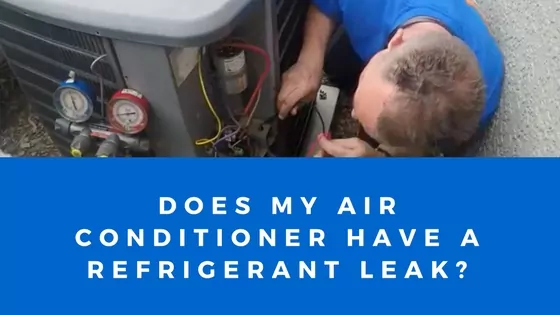
Have you noticed your air conditioner running for a long time, but your home still feels warm and sticky? Maybe you see ice building up on the copper lines outside, or your system needed a top-off of refrigerant last summer and is already struggling again. These are classic warning signs of a possible refrigerant leak, and in the Sacramento heat, a leaking system is more than just an inconvenience.
At Fox Family Heating and Air Conditioning, our technicians spend a big part of the cooling season tracking down and repairing refrigerant leaks in homes across Rancho Cordova, Sacramento, and the surrounding communities. When temperatures push past 100 degrees on summer afternoons, a properly charged system is critical for comfort, efficiency, and compressor life. Here you will see what a refrigerant leak really means, how leak detection works under current 2025 standards, and when it is time to call in a professional.
What Refrigerant Does in Your Air Conditioner
Your central air conditioner or heat pump does not use up refrigerant the way a car uses gasoline. The refrigerant circulates in a closed loop between the outdoor unit and the indoor coil, absorbing heat from inside your home and releasing it outside.
Here is the basic cycle in simple terms:
- The compressor pumps low-pressure refrigerant gas into a high-pressure, high-temperature gas.
- The outdoor condenser coil rejects heat to the outside air, and the refrigerant condenses into a high-pressure liquid.
- The metering device drops the pressure so the refrigerant becomes a cold, low-pressure liquid.
- The indoor evaporator coil absorbs heat from the air moving across it, and the refrigerant boils back into a gas.
- The cycle repeats continuously while your thermostat is calling for cooling.
When there is a leak anywhere in that closed loop, the amount of refrigerant in the system slowly drops. That low charge changes pressures, superheat, and subcooling, which makes your system work harder and can eventually damage the compressor if it keeps running in that condition.
As of 2025, most residential systems in our area still use R-410A, but many older units were built for R-22, an HCFC that has been phased out for new equipment in the United States. Some new installations are switching to lower global warming potential refrigerants such as R-454B or R-32, in line with the federal HFC phasedown under the American Innovation and Manufacturing (AIM) Act. Each of these refrigerants requires specific tools, training, and recovery procedures, which is why leak detection and repair must be performed by an EPA Section 608 certified HVAC technician.
Signs Your Air Conditioner Might Have a Refrigerant Leak
Because the refrigerant lines and coils are mostly hidden, homeowners usually notice symptoms before they ever see an actual leak point. Some of the most common signs we see in Rancho Cordova and Sacramento include:
Weak Cooling and Longer Run Times
Does your system seem to run almost nonstop on hot afternoons, yet the thermostat never quite reaches the set temperature? A low refrigerant charge reduces the system’s ability to absorb heat at the evaporator coil. In the Sacramento Valley, where local design temperatures are around the low 100s and summer highs in Sacramento often reach the 90s and above, that loss of capacity shows up quickly as weak cooling.
Warm Air or Reduced Airflow at Supply Vents
If you hold your hand up to the supply vents and the air feels only slightly cooler than the room, or the airflow seems weaker than last season, a low charge might be part of the problem. Frozen evaporator coils caused by low refrigerant can also restrict airflow through the ductwork.
Ice on the Refrigerant Lines or Indoor Coil
Ice buildup is a red flag. You might see frost or ice on the larger copper line outside, ice on the indoor coil, or even ice on the insulated suction line inside the attic. A low refrigerant charge can cause the evaporator coil temperature to drop below freezing, especially at night when outdoor temperatures are lower.
If you notice ice, turn the system off at the thermostat and let it thaw with the fan running. Continuing to run a frozen system can flood the compressor with liquid refrigerant and cause serious damage.
Hissing Sounds or Oily Residue
Some leaks are large enough that you can actually hear a faint hissing at the outdoor unit or at a flare connection near a ductless head. Others leave a visible trace of compressor oil at the leak location. Because refrigerant carries oil through the system, a dark, oily spot on copper tubing, the indoor coil, or the outdoor coil can help point our technicians toward a leak.
Frequent Top Offs of Refrigerant
If your air conditioner has needed refrigerant added one or more times in the last few years, that is almost always a sign of an ongoing leak. The system does not consume refrigerant. Any charge that is added will eventually leak back out again unless the leak itself is found and repaired.
Common Causes of Refrigerant Leaks in Sacramento
Our technicians see patterns in the types of leaks that show up most often in our climate. Some of the most common include:
Corrosion on the Indoor or Outdoor Coil
Micro leaks often develop in the thin copper tubing of the evaporator or condenser coil. Cleaning chemicals, household products stored nearby, and even off-gassing from building materials can react with moisture and attack the copper over time. In some cases, the coil develops many tiny leaks instead of one obvious hole.
Vibration and Mechanical Stress
The compressor and outdoor fan motor move every time the system runs. Over years of operation during hot Sacramento summers, that vibration can weaken soldered or brazed joints, especially if the line set was not supported correctly. We often find leaks at elbows, U bends, or where tubing passes through sheet metal.
Rubbing and Line Set Damage
Refrigerant lines that pass through wall penetrations or attic framing should be protected with grommets and insulation. When bare copper rubs on wood, metal, or concrete during expansion and contraction cycles, it can wear a pinhole over time. Yard work, pets, or construction projects can also damage the exposed line set outside.
Previous Repairs or Modifications
Any place where copper has been joined, flared, or repaired is a potential weak point. If someone has worked on the system in the past and did not use proper brazing techniques, nitrogen purging, or correct torque on flare fittings, a slow leak may show up months or years later.
How Our Technicians Perform Air Conditioner Leak Detection
Professional leak detection is a step-by-step process. The exact method depends on the type of system, the amount of refrigerant lost, and how accessible the piping and coils are. Here is how our team typically approaches a suspected leak call.
1. Initial Interview and System Evaluation
We start by asking questions. How long has the system been struggling? Has anyone added refrigerant before? Does the unit trip the breaker or simply lose cooling? This history, combined with a visual inspection around the indoor and outdoor equipment, helps us focus our testing where it is most likely to pay off.
Our technicians then attach gauges or digital probes to measure pressures, superheat, and subcooling. These readings, along with temperature split across the indoor coil, confirm whether the system is undercharged and help rule out airflow problems that can mimic a low charge.
2. Electronic Leak Detection
Once we confirm a probable leak, we use electronic leak detectors calibrated for the specific refrigerant in your system. The technician slowly traces the refrigerant circuits, paying special attention to brazed joints, service valves, coil headers, and areas where tubing passes through metal panels.
Electronic detectors are very sensitive, but they are also affected by wind, moisture, and some household chemicals. That is why we often combine this step with visual inspection and other methods instead of relying on one tool alone.
3. Bubble Solution and Nitrogen Pressure Testing
When we suspect a specific area, we apply a special bubble solution to the tubing. If refrigerant or nitrogen is escaping, tiny bubbles form at the leak point. For accessible piping, this method is simple and very effective.
For harder to find leaks, we may recover the remaining refrigerant, pressurize the system with dry nitrogen, and monitor for a pressure drop over time. A stable pressure reading tells us the system is tight. A pressure drop confirms an active leak, even if it is slow.
4. UV Dye or Isolation Testing When Needed
In some cases where other methods are inconclusive, we can introduce a UV dye into the system, run it for a period of time, and then inspect the coils and connections with UV light. We may also isolate sections of piping to narrow down whether the leak is in the indoor coil, outdoor coil, or line set.
Not every system requires every step. Our goal is to balance accuracy, cost, and the amount of time your home is without cooling, especially during peak summer in the Sacramento Valley.
Repair Options, Costs, and When Replacement Makes Sense
Once we locate a leak, the next question is what to do about it. The right answer depends on where the leak is, the age of your equipment, and what refrigerant it uses.
Spot Repairs on Accessible Piping
If the leak is at an accessible brazed joint or section of exposed copper, we can often repair it directly. This usually involves recovering the remaining refrigerant, cutting out the damaged section, brazing in new tubing, pressure testing with nitrogen, and then evacuating and recharging the system to manufacturer specifications.
This type of repair is often cost-effective on relatively young R-410A systems in good condition.
Coil or Line Set Replacement
When the evaporator coil, condenser coil, or underground line set has multiple micro leaks, spot repairs are not practical. Replacing the coil or line set is more involved and carries higher labor and material costs. At this point, we talk with you about the overall age and condition of the system.
For example, if you have a 15-year-old R-22 system that has developed a leaking coil, the cost of reclaimed R-22 and the age of the equipment often push homeowners toward full system replacement rather than major leak repairs. For newer R-410A systems, a coil replacement might make more sense, especially if the rest of the equipment is in good shape.
Considering 2025 Refrigerant and Efficiency Changes
Because the industry is gradually moving away from R-410A toward A2L refrigerants like R-454B, any replacement decisions in 2025 should consider long term refrigerant availability and system efficiency. Federal rules under the AIM Act continue to phase down HFC production and consumption, and new equipment is being designed to meet SEER2 efficiency standards set by the U.S. Department of Energy.
Our technicians can explain the pros and cons of repairing your existing system versus upgrading to a new SEER2-rated unit that uses a current refrigerant and is sized correctly for your Rancho Cordova or Sacramento home.
What You Can Safely Check Before You Call
There are a few simple checks you can do before scheduling professional leak detection. These steps will not fix a refrigerant leak, but they can rule out other issues and help protect your system.
- Make sure your air filter is clean and properly installed.
- Confirm that all supply and return vents are open and not blocked by furniture or rugs.
- Check the thermostat settings and replace the batteries if needed.
- Look for obvious ice on the indoor coil or refrigerant lines and turn the system off if you see it.
- Walk around the outdoor unit and clear away leaves, weeds, or debris that might restrict airflow.
Do not attempt to attach gauges, buy refrigerant online, or open sealed components. Handling refrigerant without proper certification is unsafe and against EPA regulations under Section 608 of the Clean Air Act. If you suspect a leak, your best next step is to have a licensed HVAC professional evaluate the system.
Preventing Future Refrigerant Leaks
While no system lasts forever, good maintenance and installation practices can reduce the chances of leaks and extend equipment life.
- Schedule professional maintenance before each cooling season so our technicians can spot early signs of corrosion or vibration issues.
- Keep the area around indoor and outdoor equipment clean and dry, and avoid storing harsh chemicals near your furnace or air handler.
- Make sure the line set insulation outside is intact, and have damaged sections replaced to protect the copper from the sun and physical damage.
- Address airflow problems such as dirty filters, closed vents, or undersized returns. Poor airflow can cause low coil temperatures and contribute to freeze-ups.
- When it is time for new equipment, choose a quality installation with properly sized line sets, well-supported piping, and correct refrigerant charging.
In our hot, dry summers, a well-maintained system not only cools better, it also uses less energy, which helps keep SMUD or PG&E bills under control.
When to Call Fox Family Heating and Air Conditioning
If your air conditioner is struggling to keep up, cycling on and off without cooling, or has already needed multiple refrigerant refills, it is time to have the system checked for leaks. Our technicians use modern diagnostic tools, follow current 2025 refrigerant handling standards, and explain your options clearly so you can make an informed decision for your home.
Ready to schedule air conditioner leak detection or a cooling system inspection? Call us at 916-877-1577 or book an appointment online.
Fox Family Heating and Air Conditioning serves Rancho Cordova, Sacramento, and Northern California. If you need help with air conditioner leak detection, give us a call!