Crane Safety Tips for Residential HVAC Projects
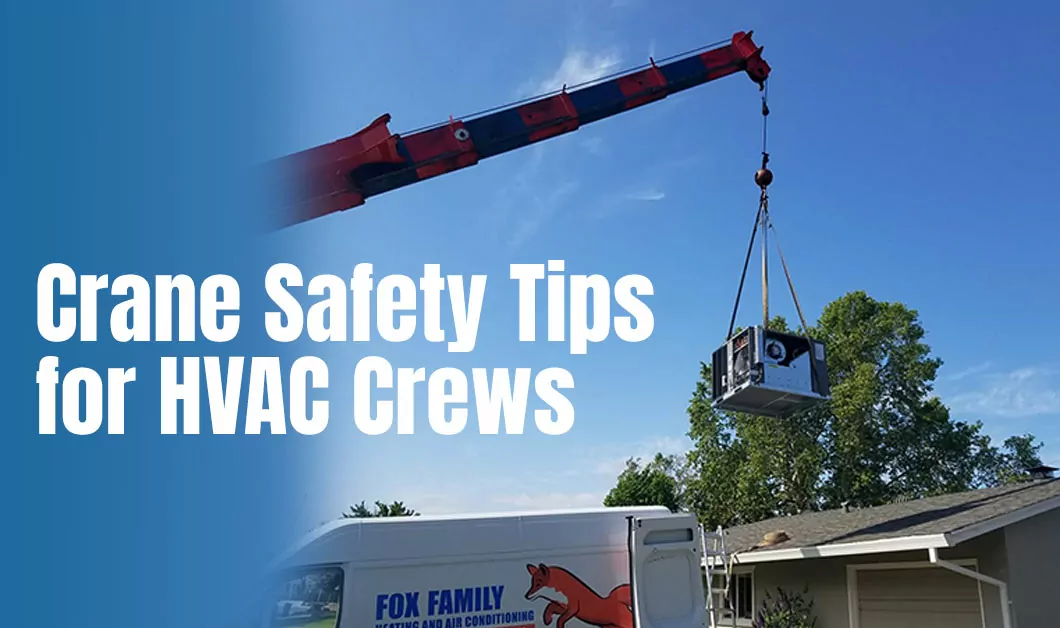
Crane day can feel exciting and a little nerve‑wracking when you are having a new air conditioner or heat pump installed. You see a huge piece of equipment lifting heavy HVAC units over your home, and you might wonder, “Is this really safe?” That is a fair question, especially here in Rancho Cordova and the greater Sacramento area, where we often need cranes to reach rooftop or tight backyard locations.
At Fox Family Heating and Air Conditioning, our technicians frequently collaborate with professional crane operators on residential HVAC projects. When everyone follows the right safety procedures, crane lifts are a controlled, predictable part of replacing your system. This guide explains how crane safety works on a typical home HVAC project, what our team and the crane crew do behind the scenes, and what you can do as a homeowner to keep your property and your family safe on crane day.
Why Cranes Are Used for Home HVAC Projects
Many homes in Rancho Cordova and Sacramento have outdoor units on rooftops, second-story platforms, or tight side yards with limited access. In these situations, a crane is the safest and most efficient way to move old and new HVAC equipment.
Crane lifts help:
- Avoid damage to roofs, fences, and landscaping
- Reduce the risk of injury from trying to move heavy equipment by hand
- Complete projects more quickly, which shortens the time your home is without cooling or heating
Modern condensers and heat pumps can weigh several hundred pounds. Instead of trying to maneuver that weight up ladders or across fragile surfaces, a crane lets a trained operator place the equipment precisely where it needs to go while our technicians guide it into position.
Planning and Permits: Safety Starts Before Crane Day
Safe crane work never starts the morning the crane shows up. It begins days ahead of time with planning and coordination between our installation team, the crane company, and sometimes the local building department.
Site evaluation
Before scheduling a crane, our technicians evaluate:
- Where the existing unit is located
- Where the new unit will be set
- Overhead clearance, including trees and power lines
- Ground conditions for the crane setup area
In the Sacramento Valley, soil can be soft in the rainy season and very dry and hard in the summer. The crane crew needs a stable surface for their outriggers so the machine is level and secure. If the driveway or street area is not suitable, we coordinate alternate placement or reschedule for safer conditions.
Permits and utility awareness
Depending on the city or county, some crane operations require permits or traffic control if streets or sidewalks are affected. Our team coordinates with the crane company so any required permits are in place before the lift.
Power lines are another critical safety factor. The crane operator and our technicians identify any overhead electrical lines and maintain required clearances to avoid contact. If there is any doubt, the lift plan is adjusted so the boom and load stay safely away from utilities.
Weather considerations
Here in the Sacramento Valley, summer afternoons can bring strong Delta Breeze winds, and winter storms can produce rain and gusty conditions. Wind can cause loads to swing, which is not acceptable around homes, vehicles, and people. If wind speeds or weather conditions are not safe for lifting, the crane operator and our team will delay or reschedule. It is always better to wait for a safe window than to rush a lift.
What Happens on Crane Day
On crane day, you will see more vehicles and people than a normal service visit. A typical setup includes our installation crew, the crane truck, and sometimes a support truck from the crane company.
Securing the work area
The first step is establishing a clear work zone. The crane crew and our technicians:
- Block off the area where the crane will set up
- Identify safe walkways for homeowners and neighbors
- Keep vehicles, pets, and people out of the landing and swing area
If a section of street or sidewalk needs to be temporarily closed, cones and signage may be used. We always recommend that homeowners keep children and pets indoors or well away from the work zone for the entire lift.
Crane setup and inspection
Before any lifting begins, the crane operator:
- Positions the crane so the boom can reach the lift points without overextending
- Deploys outriggers and levels the crane
- Confirms the weight of the HVAC equipment and selects proper rigging
- Performs safety checks on controls, cables, and rigging gear
Our technicians communicate clearly with the operator about the size and weight of the old and new units so the crane is configured correctly. Professional crane companies follow strict load charts and never exceed rated capacity.
Roles and communication
Effective communication is one of the most important safety tools on crane day. Typically:
- The crane operator controls all lifting and lowering
- A designated signal person on our team or the crane crew stands in clear view of the operator
- Hand signals or radios are used so only one person is directing the crane at a time
This eliminates confusion and ensures the operator always knows exactly what is being requested. If anyone sees something unsafe, they can call for a stop, and the lift pauses until the concern is resolved.
Safe Rigging and Lifting of HVAC Units
Rigging is the process of attaching the load to the crane hook. Proper rigging is critical for safety because an unbalanced or improperly secured unit can shift or tilt during the lift.
How HVAC units are rigged
For residential HVAC lifts, the crane crew typically uses:
- Rated slings or straps sized for the weight of the unit
- Spreaders or lifting bars are used when needed to keep the straps from crushing the cabinet
- Secure connection points approved by the equipment manufacturer
Our technicians make sure electrical conduits, refrigerant lines, and disconnect boxes are disconnected and safely out of the way before the lift. Any remaining attachments are removed so the unit can be lifted cleanly without dragging or snagging anything on the roof or platform.
Lifting the old unit off your home
When the old unit is ready to be removed:
- The signal person confirms the area around the unit is clear.
- The crane operator slowly takes tension on the rigging.
- The unit is gently lifted just enough to confirm it is free of all connections.
- The crane raises the load and swings it away from the home.
The old unit is then set safely on the ground or on the crane truck for removal and proper recycling. This controlled process prevents sudden movements that could damage the roof, platform, or surrounding structures.
Setting the new unit in place
Placing the new air conditioner or heat pump requires the same level of care:
- Our technicians prepare the pad or roof curb so it is level and secure.
- The crane lifts the new unit and positions it above the final location.
- The signal person and installers guide the unit into place with tag lines or by steadying the cabinet.
- Once it is set, the rigging is removed, and the unit is checked for level and proper alignment.
Only after the crane work is complete do our technicians reconnect refrigerant lines, electrical power, and controls, then start the process of evacuating, charging, and commissioning your new system.
Protecting Your Home, Roof, and Property
Homeowners often worry most about roof damage or cracked driveways during crane work. A professional team takes several steps to protect your property.
Roof and structure protection
Before any lifting starts, our technicians:
- Inspect the roof or platform where the unit will sit
- Use suitable support for roof curbs or stands
- Check for signs of existing damage or weak areas
On flat or low‑slope roofs that are common in some Sacramento neighborhoods, weight is distributed through curbs or frames designed to support HVAC equipment. The crane does not rest directly on your roof; it is set up on the ground or street while the boom extends overhead.
Driveway and yard considerations
Crane outriggers concentrate a lot of weight on relatively small pads. To protect driveways or decorative surfaces, the crane company can use additional cribbing or support mats to spread the load. During the planning stage, we discuss the best place to set up the crane based on your driveway, landscaping, and available street parking.
We also recommend moving vehicles out of the immediate area before the crane arrives. This gives the operator more flexibility and keeps your cars, RVs, or trailers safely out of the lift zone.
Your Role as a Homeowner on Crane Day
You do not need to manage the crane crew or worry about technical details, but there are a few simple steps you can take to support a safe and smooth project:
- Keep children and pets indoors or well away from the work area
- Move vehicles out of the driveway or street section that the crane will use
- Remove loose items like patio furniture, grills, or yard decorations near the lift path
- Let neighbors know if street access may be partially blocked for a short time
If you have concerns about trees, fences, or other obstacles, share those with our technicians before crane day so they can be addressed in the lift plan. During the job, feel free to ask questions, but always stay outside of the designated work zone.
How Fox Family Heating and Air Conditioning Prioritizes Safety on Crane Projects
Our technicians treat crane day as a coordinated team effort, not just a quick lift. Some of the safety practices we follow on residential projects include:
- Partnering with licensed, insured crane companies that specialize in HVAC lifts
- Verifying load weights and clearances before scheduling
- Holding a brief safety meeting with the crane operator and crew before lifting
- Assigning a clear signal person so communication stays organized
- Stopping work immediately if wind, weather, or site conditions become unsafe
In the Sacramento Valley, temperatures can easily reach triple digits in the summer. That creates extra urgency to get your cooling system up and running, but we never cut corners on safety to save a few minutes. A careful, well‑planned crane lift protects everyone and helps ensure your new system is installed the first time.
When to Call Professionals Instead of DIY
From time to time, homeowners ask whether they can use a rented lift or small crane device to move equipment themselves. Because of the weight of modern HVAC systems and the risks around power lines, roof structures, and property damage, crane work should always be handled by trained professionals.
If you are planning a system replacement and know your unit is on a roof or difficult‑to‑reach area, let us know during your estimate appointment. Our technicians can explain whether a crane will be needed, how long the lift will take, and what to expect on crane day, so there are no surprises.
Conclusion and Next Steps
Crane safety on residential HVAC projects comes down to careful planning, clear communication, and disciplined execution. When professional crane operators and experienced HVAC installers work together, lifting equipment over your home is a routine, controlled process that protects your property and your family.
If you are considering replacing an older rooftop unit or have questions about how a crane might be used on your project, our team is happy to walk you through the process step by step. We will explain how the lift will be set up, how long it will take, and what you can do to prepare your home.
Fox Family Heating and Air Conditioning serves Rancho Cordova, Sacramento, and Northern California. If you need help planning a safe HVAC replacement that requires crane service, call us at 916-877-1577 or schedule an appointment online.