5 Factors That Affect the Cost of a New HVAC System
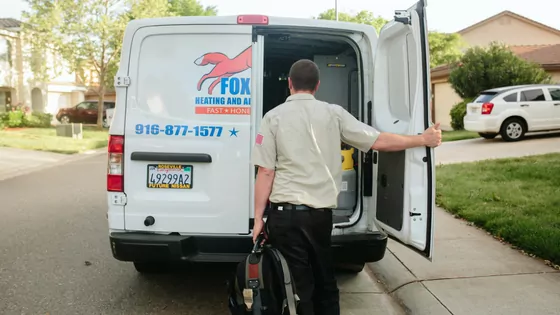
How much should a new HVAC system cost for your home in the Sacramento area? It is one of the most common questions we hear from homeowners in Rancho Cordova who are facing their first full system replacement. You might see online prices that seem all over the map and wonder if a quote you received is fair or missing something important. At Fox Family Heating and Air Conditioning, our job is to explain what you are paying for so you can compare estimates confidently and choose the system that fits your home and budget.
There is no single price that fits every house in the Sacramento Valley. Two homes on the same street can have very different installation costs depending on how the systems are designed and what is happening behind the scenes in the attic, under the house, and at the electrical panel. When our technicians build a proposal, we walk through a checklist of factors that affect both the up-front price and your long-term operating costs.
This article breaks down five of the biggest factors that influence the cost of a new HVAC system, so you know what to expect before you invite anyone into your home.
1. System size and design for your home
The first major driver of cost is the size of the system your home actually needs. HVAC size is measured in tons for cooling and in BTUs for heating capacity. A larger system costs more, not only because of the equipment itself, but also because of the larger coils, blowers, and electrical components that support it.
Many people have heard rough rules of thumb like a certain number of square feet per ton. Those guidelines might get you in the ballpark, but they do not account for the details that matter in the Sacramento climate. Here in the Sacramento Valley, we see summer highs near 100 degrees, long sunny afternoons, and a lot of homes with ductwork running through hot attics. A proper load calculation looks at much more than square footage.
When our technicians size a system, we consider:
- Square footage, ceiling heights, and room layout
- Insulation levels in the attic and walls
- Window size, orientation, and shading
- Duct design, return air placement, and leakage
- Whether you plan to add on to the home in the future
Have you ever had a room that never feels as cool as the rest of the house, even when the system has been running for hours? That is often a sign that the system or the ductwork design is not matched well to the space. Oversizing to fix those hot or cold rooms can lead to short cycling, poor humidity control, and higher utility bills. Undersizing creates comfort problems and a system that runs constantly on the hottest days.
Taking the time to design the right-sized system might mean a higher or lower price than you expected, but it gives you better comfort and efficiency for many years. A careful design is one of the biggest differences between a low bid that just swaps equipment and a professional installation that considers the whole home.
2. Efficiency rating, technology, and refrigerant
Once the size is set, the next factor is which efficiency level and technology you choose. New air conditioners and heat pumps are rated in SEER2 for cooling efficiency and HSPF2 for heat pumps in heating mode. Gas furnaces are rated in AFUE, which shows how much of the fuel actually turns into usable heat for your home.
Higher efficiency systems cost more up front, but they usually lower your monthly energy bills. In the Sacramento area, that matters because our long cooling season can run from May into October, and many homeowners rely on their systems for both heating and cooling. When you look at a quote, you might see options for a basic single stage system, a two stage system, or a variable speed system. Each step up in technology adds comfort features and energy savings.
Here is how technology choices affect cost:
- Single stage systems are the simplest and least expensive, but they tend to run at full blast or not at all.
- Two stage systems can run on a lower setting most of the time, which helps with comfort and noise while still giving you full capacity on the hottest afternoons.
- Variable speed systems adjust output in small steps to match the load. They cost more, but they can deliver very even temperatures and lower energy use when designed correctly.
Refrigerant type is another piece of the picture. R 22 was fully phased out in 2020, and R 410A has been the standard for many years. Under the federal AIM Act, R 410A is now being phased down, and new equipment using lower global warming potential refrigerants such as R 454B is becoming more common. Systems designed for newer refrigerants can have different components and handling requirements, which influence cost and availability.
If you are considering a heat pump instead of a traditional air conditioner and gas furnace, that decision changes the equipment package and sometimes the electrical work as well. Many Sacramento homeowners are exploring high efficiency heat pumps, especially in areas served by utilities like SMUD where electricity is relatively affordable. Local utilities may offer rebates for certain high-efficiency systems, so it is always wise to ask about current incentives before you make a final decision.
3. Ductwork condition and airflow upgrades
The best equipment in the world cannot perform well if the duct system is leaking, undersized, or poorly designed. Ductwork is one of the biggest hidden cost factors in a replacement project, especially in older homes around Rancho Cordova and Sacramento where original duct systems were not always built for modern efficiency standards.
When our technicians look at a potential replacement, we do not just measure the outdoor unit and the furnace. We inspect the ductwork in the attic or crawlspace, check static pressure, and look at how supply and return vents are laid out. Common duct issues that affect both comfort and price include:
- Leaky ducts that lose cooled or heated air into the attic
- Undersized return air ducts that choke airflow
- Long, crushed, or kinked flex ducts
- Missing or poorly located supply registers in important rooms
- Ductwork that is not insulated correctly for Sacramento Valley temperatures
Fixing these problems can add to the cost of a project, but it often makes a dramatic difference in comfort and energy use. In California, Title 24 energy codes require duct testing and sealing on many replacement projects. Meeting those standards can involve new duct runs, additional returns, or sealing and insulating existing ducts. A quote that includes these improvements may look higher at first glance, but it usually reflects a more complete solution.
If you receive an estimate that does not mention ducts at all, it is worth asking how the installer will make sure the new system can actually move the right amount of air. A properly designed duct system can help your new HVAC system last longer by keeping motors and compressors within their intended operating ranges.
4. Installation complexity, permits, and code requirements
Two systems with the same equipment and efficiency rating can have very different installation costs depending on how difficult the job is. Physical access, existing infrastructure, and local code requirements all play a role.
Some of the installation details that affect cost include:
- Whether the indoor unit is in a garage, closet, attic, or crawlspace
- Roof access and whether a crane is needed for the outdoor unit
- Condition and size of the existing electrical circuits and panel
- Existing refrigerant line set size, length, and routing
- Condensate drainage paths and safety overflow protection
- Clearances around the equipment for service and ventilation
Homes with tight attics, steep roofs, or long refrigerant line runs often take more labor and specialized equipment to work on. In some cases our technicians may recommend moving equipment to a better location for serviceability, which can increase up front cost but make future maintenance and repairs easier and safer.
Permits and inspections are another piece of the puzzle. In the Rancho Cordova and Sacramento areas, a legitimate installation includes building permits, Title 24 documentation, and final inspections where required by the city or county. Permit fees vary by jurisdiction, and complying with current codes can involve upgrades such as new disconnect boxes, seismic restraints, or updated flue venting for gas furnaces.
As of late 2025, federal efficiency standards from the U.S. Department of Energy and refrigerant regulations from the U.S. Environmental Protection Agency set the minimum performance and equipment rules manufacturers must follow, and California Title 24 energy codes and local building departments turn those rules into specific installation requirements for homes. Our team monitors updates from groups like DOE, EPA, and the California Energy Commission so your new system meets the current standards in the Sacramento Valley.
Not every low bid includes these items. When you see a price difference between proposals, ask how each company handles permits, inspections, and code upgrades. A properly permitted installation protects you when you sell your home and helps ensure that the system meets safety and efficiency standards.
5. Comfort extras, indoor air quality, and controls
The base price of a new HVAC system usually covers the main heating and cooling equipment plus standard controls. Many homeowners choose to add comfort options that improve air quality, noise levels, or control over different parts of the house. Each of these add ons increases the project cost, but they can solve problems that standard systems do not address.
Common upgrades our technicians discuss with homeowners include:
- Zoned systems that allow different temperatures in separate areas of the home
- High efficiency media filters or electronic air cleaners for allergy or asthma concerns
- Whole home air purifiers or UV lights to treat airborne particles in the ductwork
- Smart thermostats that learn your schedule and can be controlled from your phone
- Humidity management solutions for homes with comfort or flooring concerns
In the Sacramento Valley, where wildfire smoke and summer ozone levels can be a concern, indoor air quality has become a bigger priority. Upgrading filters or adding air cleaning equipment can protect your family and help you feel more comfortable keeping windows closed on poor air quality days.
Membership in a maintenance program is another cost factor to think about when you price a new system. Regular tune ups keep your warranty in good standing and help catch small issues before they turn into major repairs. Many Fox Family Heating and Air Conditioning replacement packages include or offer discounted maintenance, which can save money over the life of the system.
How to compare quotes and plan your budget
With all these factors in play, how can you tell whether a quote is fair for your home? Start by making sure each estimate explains the five areas above clearly. If one proposal is much lower than the others, is it because the system is smaller, less efficient, missing duct repairs, or not including permits and code upgrades?
Here are a few questions to ask any company that provides a quote:
- How did you determine the size of the system you are recommending?
- What efficiency level and technology are you proposing, and why?
- What did you find when you inspected the ductwork and airflow?
- Are permits, inspections, and any required code upgrades included in this price?
- Which indoor air quality or control options would you recommend for our home and budget?
Clear answers to these questions help you compare similar solutions instead of just comparing numbers on a page. A slightly higher price that includes proper design, duct improvements, and code compliant installation often provides better value than a bare minimum replacement.
At Fox Family Heating and Air Conditioning, we believe homeowners make the best decisions when they understand what goes into the price of a new HVAC system. Our technicians take the time to walk you through your options, explain where you can save, and point out areas where investing a little more up front may prevent future headaches.
If you are starting to plan for a new HVAC system in your Rancho Cordova or Sacramento home, we can help you build a realistic budget and timeline. Ready to talk through your options and get a detailed quote for your home? Call us at 916-877-1577 or schedule a free replacement estimate online.
Fox Family Heating and Air Conditioning serves Rancho Cordova, Sacramento, and Northern California. If you need help planning or installing a new HVAC system for your home, give us a call.