How Often Should You Change Your Air Filter?
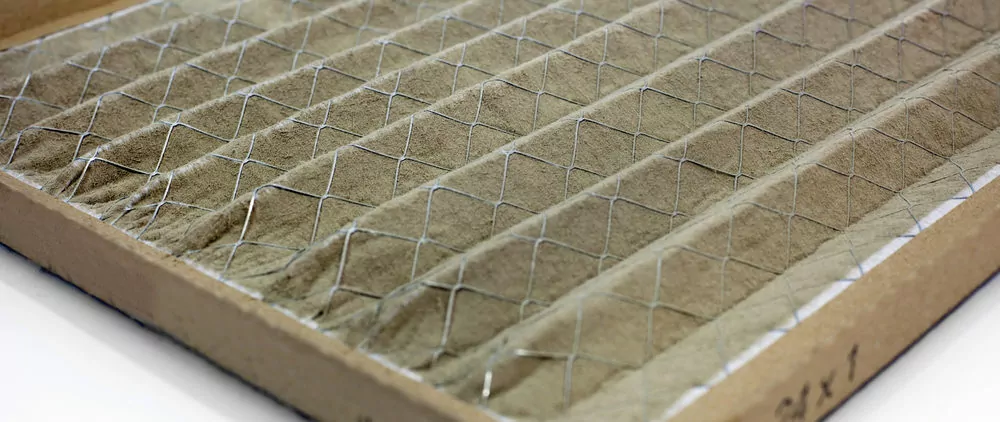
It is easy to forget about the air filter tucked inside your furnace or air handler. Here in Rancho Cordova and the greater Sacramento Valley, your system works hard through long, dry summers and chilly winter mornings. Dust, pollen, and even wildfire smoke can load up a filter much faster than many homeowners realize.
If you are not sure how often to change your filter, you are not alone. At Fox Family Heating and Air Conditioning we answer this question on service calls almost every day. The short answer is that most homes should replace or clean their filter every one to three months. The more complete answer depends on your equipment, your home, and your lifestyle.
In this guide, our technicians explain how often to change your filter, the factors that can shorten or extend that schedule, and how to choose the right filter for your system in 2025.
Why Your HVAC Air Filter Matters
Your HVAC filter does two important jobs. First, it protects the equipment by catching dust, hair, and debris before it can coat the blower motor or indoor coil. Second, it improves the air you breathe by capturing fine particles that would otherwise recirculate through your home.
In the Sacramento Valley, filters also help with seasonal pollen, agricultural dust, and smoke particles when wildfire season hits. When a filter is clean, air moves through your system easily, and your equipment can heat or cool efficiently. When that filter is packed with dust, airflow drops, energy use goes up, and your system has to work harder than it should.
A severely clogged filter can cause serious problems. Coils can freeze in cooling mode, heat exchangers can overheat in heating mode, and blower motors can fail prematurely. Regular filter changes are one of the simplest ways to protect a system that often costs many thousands of dollars to replace.
General Guidelines For How Often To Change Your Filter
Every home is different, but these guidelines work for most residential systems:
- One-inch basic fiberglass filter: replace every 30 days
- One-inch pleated filter (MERV 8 to 11): replace every 60 to 90 days
- Four to five-inch media filter: replace every 6 to 12 months
- Washable filter: rinse and dry every 30 days, replace if the frame or media becomes damaged
- High efficiency air cleaner or electronic filter: follow the manufacturer’s schedule, and inspect monthly during peak season
These are starting points. Many Rancho Cordova homes fall into the 60-day range for standard pleated filters during the cooling season because systems run longer hours. In winter, you may be able to stretch that to 90 days if no one in the home has allergies or asthma.
Factors That Change Your Filter Schedule
Filter Type and MERV Rating
Thicker filters and those with a higher MERV rating can hold more dust, but they can also restrict airflow if your duct system is already tight. Most homes in our area do best with a MERV 8 to 11 filter. That range captures common household dust, pet dander, and many pollen particles without putting too much strain on the blower.
Very high MERV filters, such as MERV 13 and above, are sometimes recommended for individuals with severe allergies or asthma concerns. Before upgrading to that level, our technicians recommend performing a quick static pressure check on your system. That way, you know the higher resistance will not cause comfort or reliability issues.
How Often Your System Runs
Here in the Sacramento Valley, air conditioners often run from late spring through early fall. On the hottest July and August afternoons, your system may run for many hours without a break. The more your system runs, the faster air moves through the filter and the faster it loads up.
In a home where the air conditioner or heat pump runs daily, a one inch pleated filter that might last three months in a mild climate may need to be changed every 30 to 60 days. During the milder parts of the year, you can usually go longer between changes.
Pets, People, and Indoor Activities
Every person and pet inside the home contributes particles to the air. Pet hair and dander load filters quickly, especially from large dogs or multiple cats. If you smoke indoors, burn candles frequently, or do hobbies that produce dust, such as woodworking or crafts, your filter will need more frequent attention.
As a general rule:
- One pet: check the filter every 45 to 60 days
- Two or more pets: check every 30 to 45 days
- Allergy or asthma in the household: lean toward the shorter side of these ranges
Outdoor Conditions and Wildfire Smoke
Some summers bring heavy wildfire smoke into the Sacramento region. During those times, outside air entering through small leaks and fresh air intakes carries extra fine particles. Filters can plug up very quickly.
When smoke is heavy enough that you can smell it indoors, plan to check your filter every couple of weeks. In some homes, our technicians have found filters that needed to be changed twice as often during a smoky season as they did the rest of the year.
Recommended Filter Change Schedules For Sacramento Valley Homes
Here are sample schedules you can use as a starting point. Always adjust based on what you see when you inspect your own filter.
- Small home, no pets, no allergies, one-inch pleated filter: every 60 to 90 days
- Average family home with one pet: every 45 to 60 days
- Family with multiple pets or allergy concerns: every 30 to 45 days
- Larger home with a four to five-inch media filter: every 6 months, or sooner if the filter looks dark across most of the surface
- Vacation or part-time home: check at least every 6 months, even if the system runs very little
If you are unsure where to start, change your filter now, mark the date, and then inspect it after 30 days of normal operation. If it still looks fairly clean and light in color, try 45 or 60 days next time. If it is already dark and dusty, shorten the interval.
Signs Your Filter Needs To Be Changed Sooner
You do not have to wait for a calendar reminder. Your system will often tell you when the filter is overdue. Watch for:
- Dusty supply vents or more dust than usual on furniture
- Rooms that feel stuffy even while the system is running
- Weak airflow from vents compared to earlier in the season
- Longer run times and higher energy bills
- A filter surface that looks dark gray or has visible dust clumps
Some newer thermostats and smart HVAC controls track run time and show a filter reminder on the screen or in a mobile app. These tools can be very helpful in 2025, but they still rely on your eyes and judgment. If the filter looks dirty earlier than the reminder, change it.
How To Check and Change Your Air Filter Safely
Most homeowners can handle basic filter changes. If anything in these steps feels confusing or unsafe, our technicians are happy to walk you through the process during a maintenance visit.
- Turn your thermostat to the off position so the system does not start while the filter is out.
- Locate your filter. It may be at the return air grille, inside the furnace cabinet, or inside a filter rack next to the air handler.
- Note the size printed on the existing filter frame, such as 16 x 25 x 1. Write it down so you can buy the correct replacement.
- Look for the airflow arrow on the side of the filter. It should point toward the equipment and away from the return grille.
- Slide the old filter out carefully so dust does not spill into the cabinet.
- Insert the new filter with the arrow in the same direction as the old one.
- Replace any access panels securely, then turn the thermostat back on.
- Write the installation date on the frame of the new filter or set a reminder on your phone.
Never run your system without a filter, even for a short time. An unfiltered system can pull dust directly into the coil and blower compartment, which can lead to expensive cleaning.
Choosing The Right Filter For Your System In 2025
Filters are rated using the MERV scale, which stands for Minimum Efficiency Reporting Value. Higher numbers capture smaller particles. For most residential systems in Rancho Cordova and Sacramento, a MERV 8 to 11 filter offers a good balance between air quality and airflow.
Very inexpensive fiberglass filters do not catch much more than large dust and hair. On the other hand, very high MERV filters can be too restrictive if your ducts are undersized or already have high static pressure. That is why our technicians often measure pressure readings before recommending a jump to a higher MERV or a whole-home media filter.
In 2025, more equipment and thermostats will include features that help you stay on top of filter maintenance. Some smart thermostats estimate filter life based on actual run time. Others integrate with indoor air quality accessories such as media filters, air purifiers, or UV lights. If you are interested in upgrading filters or adding air cleaning options, we can review your existing system and make recommendations that fit both your home and your budget.
How Fox Family Heating and Air Conditioning Can Help You Stay On Schedule
During routine maintenance visits, our technicians always inspect your filter, check static pressure, and look for signs of restricted airflow. We can recommend a filter type and replacement schedule tailored to your home, pets, and health concerns.
Many of our Rancho Cordova and Sacramento customers like to keep a small supply of filters on hand. We can label your equipment with the correct size and preferred MERV rating so you know exactly what to purchase. If you prefer, we can replace filters for you at each tune-up so you never have to think about it.
If you would like help choosing the right filter or setting up a maintenance plan, call 916-877-1577 or schedule an appointment online.
When To Call A Professional
Changing a filter is simple, but there are times when you should reach out for professional help. Call Fox Family Heating and Air Conditioning if:
- Your system shuts off on safety or shows error codes
- You see ice on the refrigerant lines or the indoor coil
- You notice a burning smell or unusual noises from the blower
- The filter becomes dirty again within a few weeks
- You are not sure where the filter is located, or it seems difficult to access
These can be signs of airflow problems, duct restrictions, or equipment issues that go beyond a simple filter change. Our technicians can diagnose the root cause, clean components safely, and get your system operating the way it should.
Final Thoughts
Regular filter changes are one of the most important things you can do to protect your HVAC system and the air your family breathes. In our Sacramento Valley climate, that usually means checking your filter at least every one to two months during heavy heating or cooling seasons, and more often if you have pets, allergies, or wildfire smoke.
If you are unsure about the right filter or schedule for your home, you do not have to guess. Our team is here to help you make a plan that keeps your system running efficiently and your indoor air as clean as possible.
Fox Family Heating and Air Conditioning serves Rancho Cordova, Sacramento, and Northern California. If you need help with your air filter or indoor air quality, give us a call.