6 Ways to Prevent Control Board Damage in Your HVAC System
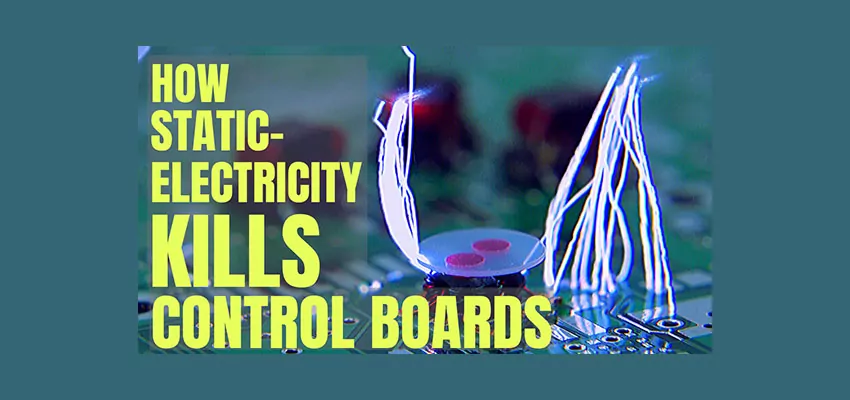
When your furnace or air conditioner suddenly stops working, the control board is often one of the first parts our technicians check. The brain of your HVAC system tells the motors, gas valve, safety switches, and other components when and how to run. When it fails, you can lose heating or cooling at the worst possible time.
Here in the Sacramento Valley, especially around Rancho Cordova, long hot summers and damp winter storms put a lot of stress on HVAC equipment. Power surges, moisture, dust, and vibration can all shorten the life of a control board. The good news is that many of the most common causes of control board damage are preventable with a little attention and routine maintenance.
In this article, you will learn what the control board does, the main reasons it fails, and six practical ways to protect it so you get more years out of your system.
What Does the HVAC Control Board Do?
The control board is the central circuit board inside your furnace or air handler. It:
- Receives signals from your thermostat
- Controls the inducer motor, blower motor, gas valve, and ignition system
- Monitors safety switches like the pressure switch, high limit, and rollout switches
- Manages timing for heating and cooling cycles
- Often stores error codes that help technicians diagnose problems
In modern systems, the control board may also communicate with variable-speed motors, zoning boards, and smart thermostats. Because so many components depend on it, even a small amount of damage to the board can cause strange behavior such as intermittent operation, short cycling, or a complete shutdown.
Common Causes of Control Board Damage
Our technicians see several patterns when control boards fail in homes around Rancho Cordova and Sacramento:
- Power surges and voltage spikes from the utility or lightning
- Loose electrical connections are creating heat and arcing
- Water leaks or condensation dripping on the board
- Dust, pet hair, or insulation fibers are building up on components
- Incorrect fuses or DIY wiring
- Age and repeated exposure to high temperatures
Many homeowners do not realize that their everyday choices affect how long these electronics last. The following six steps are the best ways to protect your control board and avoid an unexpected breakdown.
1. Protect the System from Power Surges
Electrical surges are one of the fastest ways to ruin a control board. A sudden spike can burn traces on the board, damage relays, or take out the low-voltage transformer.
Install Surge Protection
A dedicated HVAC surge protector is designed to clamp high voltage spikes before they reach the control board and motors. In the Sacramento area, summer thunderstorms and utility switching events can create brief surges that you never see but your equipment certainly feels.
Our technicians often recommend:
- A whole-house surge protector at the main electrical panel
- An additional surge device at the outdoor condenser and indoor furnace or air handler
This layered approach helps protect not only the control board, but also the compressor, blower motor, and thermostat.
Avoid Resetting Breakers Repeatedly
If your HVAC breaker keeps tripping, repeatedly flipping it back on without finding the cause can stress the electrical system and the control board. Instead:
- Turn the breaker fully to the off position.
- Wait at least 30 seconds.
- Turn it back to on once.
- If it trips again, leave it off and call a professional.
A breaker that trips more than once is a sign of a deeper electrical or mechanical issue that needs attention before it damages the board or wiring.
2. Keep Water and Condensation Away from the Board
Moisture and electronics never mix well. In our climate, winter rain and cool nights can create condensation inside poorly sealed equipment. High-efficiency furnaces and air handlers also generate condensate that must be drained properly.
Watch for Leaks Above or Around the Furnace
Control boards are often mounted low in the furnace cabinet. A small water leak from a nearby plumbing line, roof penetration, or even a clogged condensate line can drip directly onto the board.
Homeowners can help by:
- Inspecting the area above and around the furnace or air handler for water stains
- Making sure the condensate drain line is clear and firmly connected
- Checking the drain pan under an attic unit for standing water
If you ever see rust lines, mineral buildup, or water marks near the control board compartment, schedule service before the next heating or cooling season.
Maintain Proper Drainage on High-Efficiency Equipment
High-efficiency (condensing) furnaces and many air handlers produce a steady stream of condensate during operation. If the trap or drain line clogs, water can back up into the cabinet and drip onto the board or wiring.
During annual maintenance, our technicians:
- Flush the condensate drain
- Inspect and clean the trap
- Check for proper slope on the drain line
This simple step is one of the best protections against hidden water damage to the control board.
3. Control Dust, Debris, and Airflow Problems
Dust, drywall powder, pet hair, and attic insulation can all end up inside your furnace cabinet. Over time, this contamination coats the control board, fan motors, and sensors. It also raises operating temperatures, which shortens the life of electronic components.
Change Filters Regularly
A dirty air filter restricts airflow and forces the system to work harder. The blower motor runs hotter, the heat exchanger or evaporator coil can overheat, and the control board sits in a hotter environment.
In the Sacramento Valley, where AC systems run heavily from late spring through early fall, most homeowners should:
- Check filters every 30 days
- Replace standard 1-inch filters every 1 to 3 months
- Replace high-efficiency media filters every 6 to 12 months, or as recommended
Keeping air moving freely through the system reduces strain on every component, including the control board.
Keep the Area Around the Furnace Clean
If your furnace or air handler is in a garage, closet, or attic, try to keep the immediate area free of:
- Loose insulation
- Stored items that shed dust or fibers
- Open paint cans, chemicals, or corrosive fumes
Dust and chemical vapors can accelerate corrosion on metal parts and connection points. A clean mechanical area helps the board stay cleaner and cooler.
4. Avoid DIY Wiring and Incorrect Parts
We often get calls after a homeowner or handyman has replaced a thermostat, transformer, or fuse, only to discover the system still does not work. In some cases, the control board has been damaged by incorrect wiring or parts.
Use the Correct Fuse Type and Size
Many control boards have a small automotive-style fuse that protects the low-voltage circuit. If this fuse blows, it is a sign of a short somewhere in the wiring or components.
Replacing a blown fuse with a larger one or with a temporary jumper can cause serious damage. The fuse is designed to fail before the board does. If it is bypassed, the next weak point is often a trace or component on the board itself.
If that low-voltage fuse keeps blowing:
- Do not keep replacing it with higher amp fuses.
- Turn off power to the furnace.
- Call a licensed HVAC technician to find the short.
Be Careful When Replacing Thermostats
Swapping an old thermostat for a new smart model seems simple, but wiring mistakes are common. Crossing the R and C wires or misusing the common terminal can short the low-voltage system and damage the control board.
When in doubt, take a clear photo of the existing wiring before making changes, or let a professional handle the upgrade. Our technicians can ensure the thermostat is compatible with your system and wired safely.
5. Schedule Annual Professional Maintenance
Routine maintenance is one of the most effective ways to catch early signs of control board trouble. During a tune-up, our technicians are not just changing filters and checking temperatures. They are also looking closely at electrical components.
A typical maintenance visit for a furnace or air conditioner includes:
- Tightening electrical connections at the control board and contactors
- Inspecting wiring for discoloration, brittle insulation, or rub points
- Checking for hot spots or signs of arcing around terminals
- Cleaning dust from the board compartment and blower section
- Verifying proper voltage and grounding
- Reviewing stored fault codes on the board, if available
In our experience, many control board failures start with a loose wire or a hot connection that could have been corrected months earlier. Annual maintenance gives you a chance to address these small issues before they turn into a costly board replacement.
Here in Rancho Cordova and the greater Sacramento area, we typically recommend:
- One cooling tune-up in the spring, before the first 100 degree days
- One heating tune-up in the fall, before the first cold snap in November or December
This schedule lines up with the times of year when your HVAC system is about to work its hardest.
6. Make Sure the System Is Installed Correctly
A control board that keeps failing every few years can be a sign of an underlying installation problem. Excessive vibration, overheating, and poor airflow all shorten the life of electronic components.
Check for Proper Clearance and Venting
If a furnace is squeezed into a tight closet or attic space with little clearance, heat can build up around the cabinet. Over time, that extra heat affects the board, transformers, and relays.
During an inspection, a professional can verify:
- Adequate clearance around the equipment for air movement and service
- Proper combustion air for gas furnaces
- Correct flue sizing and venting for Sacramento-area code requirements
Consider the Age and Condition of the System
Most control boards are designed to last many years, but they are still part of a system with a typical life expectancy of 12 to 15 years for many residential units.
If your furnace or air conditioner is already past that age and has frequent electrical issues, it may be more cost effective to plan for replacement instead of continued repairs. Our team can help you compare the cost of a new board against the overall condition and efficiency of the system.
Signs Your Control Board May Already Be in Trouble
While prevention is the goal, it helps to know when the board may already be failing. Common warning signs include:
- Furnace or AC starts and stops randomly
- Blower runs constantly, even with no call for heating or cooling
- No response from the system, even though the thermostat has power
- LED on the board shows unusual or no diagnostic lights
- Burnt smell or visible discoloration near the board
If you notice any of these symptoms, turn off power to the system and schedule a diagnostic visit. Continuing to run a system with a failing board can lead to additional component damage.
When to Call Fox Family Heating and Air Conditioning
You do not need to become an electrician to keep your control board safe. Simple steps like replacing filters, watching for water leaks, and avoiding DIY wiring go a long way. The more advanced checks, like tightening high-voltage connections or testing low-voltage circuits, are best left to trained professionals.
If you suspect a problem with your control board, or if your system is more than 10 years old and has not been serviced recently, our technicians are ready to help. We work on all major furnace and air conditioner brands throughout Rancho Cordova, Sacramento, and the surrounding Sacramento Valley.
Whether you need a seasonal tune-up, surge protection options, or a full system evaluation, we can explain your options clearly so you can make the best decision for your home.
Fox Family Heating and Air Conditioning serves Rancho Cordova, Sacramento, and Northern California. If you need help protecting your HVAC control board or getting your system running again, call us at 916-877-1577 or schedule an appointment online.