HVAC Safety Checklist for Homes With Elderly Family Members During Heat Waves
In 2024, five days in Sacramento topped 110°F. For Sacramento residents and older adults, these heat waves can be incredibly dangerous. A reliable heating, ventilation, and air conditioning (HVAC) system is one of the best ways to stay cool on the hottest days of the year.
Even with the best cooling system, mechanical failures can happen. Because of this, families should create a larger safety plan before extreme heat arrives. Through a little preparation, you can make sure your loved ones are safe during the hottest days of the year.
Schedule AC Maintenance Before Peak Summer Heat
One of the most important things you can do to keep an elderly family member safe is to schedule an AC maintenance appointment. Once we arrive at your home, one of our HVAC technicians will quickly confirm that the system starts, cools, and cycles properly.
As part of our HVAC maintenance, we will clean the coils, check airflow, and replace the filters. With our help, you can catch weak AC parts before they are tested by the first heat wave of the year. If repairs are necessary, we can book an appointment before outdoor temperatures reach unsafe levels.
Check Thermostat Settings and Accessibility
Getting up and moving around can become harder as people age. By setting up a programmable or smart thermostat, you and your loved one can gain remote access to the temperature settings. Rather than getting up to lower the thermostat, your loved one can easily adjust the temperature from their phone.
No matter what thermostat type you use, you should make sure the device is easy to read and use. After you show your elderly family members how to adjust it, make sure they are able to do so on their own by having them change the temperature.
During extreme heat, people sometimes want to raise the indoor temperature to save money. However, this can be dangerous for elderly family members. To keep your loved ones safe, maintain the temperature at a lower setting. For elderly family members, the temperature should be 78°F or lower.
Replace Air Filters on Time
Air filter replacements are among the most important HVAC maintenance tasks homeowners can perform. A dirty filter reduces airflow, which can make your HVAC system struggle to cool your home. Airflow restrictions can also stress your system during extended heat events.
Make Sure Vents Are Open and Unblocked
Periodically, go through your home to check the vents and registers. Sometimes, furniture, rugs, storage boxes, and curtains block vents. Move any blockages and check the airflow in each room.
Avoid closing any vents. While some people do this to save money, it generally doesn’t help. Instead, closed vents change the pressure in your HVAC system and cause your system to work harder than necessary.
Watch for Warning Signs the AC Is Struggling
Older adults aren’t able to adjust to heat waves as well as younger adults. Additionally, chronic health conditions and certain medications can make the elderly more susceptible to heat.
Because of this, it’s essential to monitor the AC in your loved one’s home to ensure it is in peak operating condition. If you notice any of the following signs, it’s time to reach out to an HVAC technician for professional help.
- Warm Air: You noticed warm air coming from the vents.
- Odd Sounds: The HVAC system is making unusual noises.
- Tripped Breakers: Your AC keeps tripping the breaker, indicating an electrical malfunction.
- Constant Operation: The cooling system runs constantly, but it doesn’t cool.
- Frozen Lines: There is ice on your refrigerant lines.
- Thermostat Issues: The thermostat shows an error message or isn’t signaling your AC to turn on.
Create a Backup Cooling Plan
Heat exposure is a major risk factor for elderly loved ones. Before an extreme heat wave arrives, plan for how your loved one will cool off if their AC stops working.
Find Cooling Centers
First, identify local cooling centers that operate in your area. Your loved one can also stay with relatives or go to public places that have AC during heat waves.
Get Fans
Make sure that the loved one has fans readily available. Fans will not be enough to cool off during periods of extreme indoor heat, but they can help in more marginal situations.
Plan Backup Transportation
If the home is not safe to stay in, the elderly family member needs to have backup transportation options readily available.
Use Remote Monitoring When Possible
Thanks to smart thermostats, you don’t have to live next door to your loved one to make sure their system is functioning at its best. A smart thermostat can be remotely accessed, so you can easily check the indoor temperature in your family member’s home.
Many elderly family members live alone, which increases the risk of a heat wave or medical emergency. You can program the smart thermostat so that it immediately sends an alert if the home gets too warm. Then, you can help your loved one find an air-conditioned space to cool off while you call for emergency repairs.
Know When To Call for Emergency Help
If your HVAC system has stopped working, don’t wait to call for help. Heat exhaustion and heat stroke can develop quickly during extreme heat, especially in older adults. You need to call for help before the indoor air temperature becomes dangerously high.
Monitor your loved ones for signs of heat illness. If you notice confusion, fainting, nausea, or severe weakness, get your loved one professional medical care right away.
Heat Wave Preparation Checklist
To make sure your family is prepared for summertime in Sacramento, you can use the following checklist.
- Book an AC Tune-Up: Schedule an AC maintenance tune-up before the first heat wave arrives. Our HVAC technicians will inspect your system and verify that everything is in working order.
- Change the Filter: To keep your system functioning at its best, you need to clean or replace your AC filter every 30 to 90 days. This should be done more frequently during periods of peak usage.
- Test the Thermostat: Try setting the thermostat to several degrees below room temperature. Then, listen to see if it turns on.
- Post a List of Emergency Contacts: When an emergency strikes, you don’t want your loved one fumbling through an address book. Post your loved one’s emergency contacts clearly on the fridge. Heat stroke can cause confusion, so it helps to reduce the number of steps involved in getting emergency support when indoor temperatures start to rise.
- Identify Backup Locations: Even with the best care, HVAC systems can sometimes fail. Identify cooling centers, malls, movie theaters, and other locations that have midday air conditioning.
- Store Water: Water lines can burst, and municipalities sometimes have to shut off water lines for repairs. To keep your loved one safe, make sure bottled water is readily available for emergencies.
- Create a Check-In Schedule: Talk to your loved one about when they should check in during heat waves. For example, many families have check-ins in the mid-morning and mid-evening during heat waves.
Keep Your Loved Ones Safe This Summer
Your family’s heat safety starts before the forecast turns dangerous. July and August are hot in Sacramento, so make sure your elderly loved ones are prepared before major heat waves arrive.
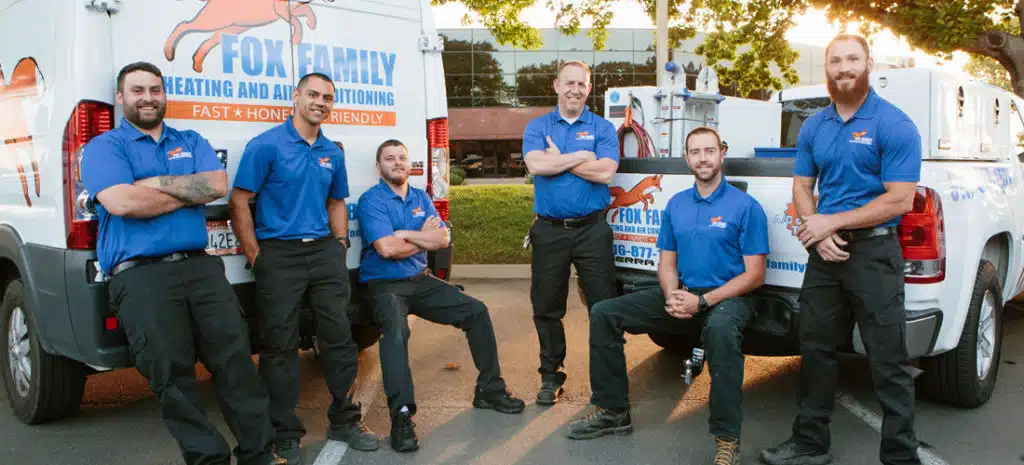
At Fox Family Heating & Air, our team can help Sacramento families prepare their cooling systems for high-heat conditions. From routine AC maintenance to emergency repairs, we’re here to support all of your cooling needs.
Get your family ready for summer by booking your next tune-up today.
FAQs
What temperature should elderly people keep the house at during a heat wave?
During a heat wave, elderly adults should generally keep their indoor temperature below 78°F. To avoid heat-related illnesses, the temperature should not go above 80°F. Elderly family members without an air conditioner should find a cooling center or another location with air conditioning during midday heat.
What should I do if the AC fails during extreme heat?
You should immediately call for emergency repairs. Some basic tasks, like resetting the breaker once and changing your air filter, can be done on your own. Do not keep elderly members of your family at home. Look for a cooling center in your area. If there isn’t one available, you can try escaping the heat at the movie theater, library, mall, or a similar air-conditioned space.
Can a smart thermostat help monitor an elderly parent’s home?
Absolutely. A smart thermostat can be linked to an app that you can monitor from your smartphone. Some smart thermostats and connected occupancy sensors can detect motion or occupancy, providing limited insight into activity within the home. If the air conditioner or heating system suddenly stops working, you’ll be able to tell right away.
How often should AC filters be changed in summer?
Depending on the manufacturer, the recommendation is generally to change the AC filter every 30 to 90 days. However, filters should be changed more frequently during periods of peak usage. No matter what the manufacturer’s instructions say, you should be inspecting your filter every 30 days to see if it needs to be replaced.