How to Landscape Around an Outdoor HVAC Unit Without Blocking Performance
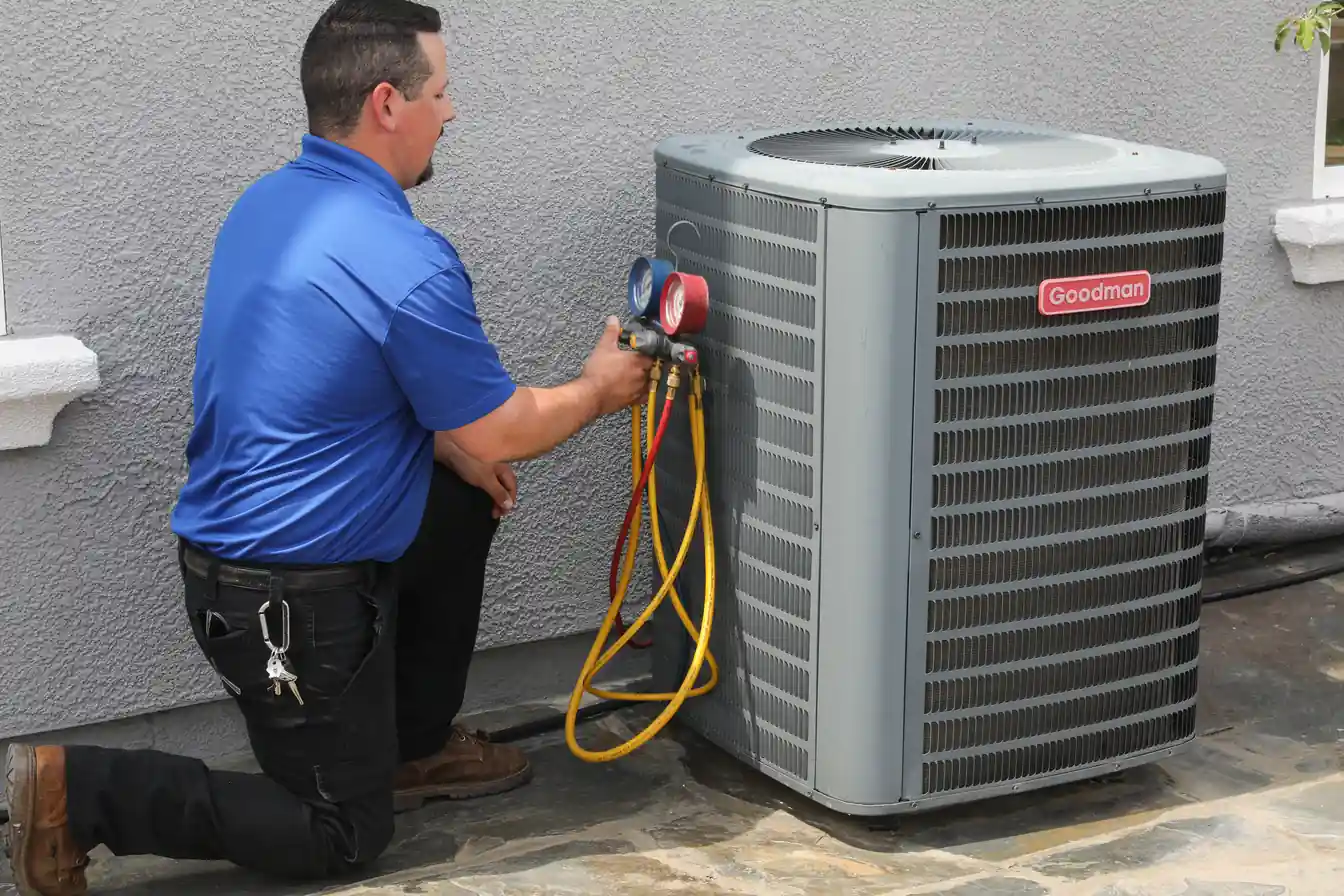
When the first Sacramento heat wave arrives, nothing feels better than blissfully cool air. While an AC or heat pump might be a necessity to escape the heat, it isn’t the most visually appealing addition to your yard.
As a homeowner, it’s important to balance the aesthetic appeal of a beautiful yard with the safety of your heating, ventilation, and air conditioning (HVAC) system. Landscaping might be able to hide the unit, but it can negatively impact your HVAC system’s performance. If plants are too close, they can even block airflow and cause unexpected breakdowns. To avoid this problem, homeowners should focus on improving their curb appeal while maintaining adequate airflow and easy service access.
Why Airflow Around the Outdoor Unit Matters
Heat pumps and ACs work by transferring heat through a refrigerant cycle. When the refrigerant flows outside through the condenser coils, the heat is transferred and released into the outdoor air. If there isn’t enough airflow across the outdoor coil, the system’s performance and energy efficiency will immediately start to struggle.
Over time, restricted airflow can force your cooling system to work harder than it should to transfer heat. This leads to increased wear on the compressor and fan motor. A compressor replacement typically costs between $800 and $2,300, so avoiding airflow issues can save homeowners a significant amount of money in the long run.
How Much Clearance Should You Leave?
The best approach is to read the manufacturer’s instructions that came with your HVAC system because the clearance requirements can vary between different units. Many manufacturers require a 2-foot clearance around the sides and a 5-foot clearance above the unit.
Additionally, keep in mind that HVAC technicians will need to access the panels and components to perform maintenance. This means landscape plants, fencing, and other changes should accommodate space for tools and people to move around in.
Best Plants To Use Near an Outdoor HVAC Unit
You should also consider the type of plants you use near your outdoor unit. Even though an oak tree is more than 3 feet away from the condenser, its leaves can still end up clogging it. Similarly, you should avoid any fast-growing vines or plants with invasive roots. These can spread quickly and harm the HVAC system, so they are best avoided completely.
Rather than pick invasive plants or heavy shedders, opt for easy-to-trim shrubs. Hinoki cypress, boxwood, and arborvitae are all popular choices. For easier care and maintenance, you should also consider drought-resistant plants. Coyote bush, agaves, creeping rosemary, and deergrass are all popular choices for our local environment.
Landscaping Materials To Avoid
While hiding the unit might improve the aesthetic appearance of your yard, certain materials are more likely to clog or damage your unit.
- Mulch: Dry mulch can readily blow away in the wind. Any type of shredded pine mulch or straw can get sucked into the condenser and block the coil fins. Mulch also stores moisture, so it can lead to the development of rust and corrosion.
- Gravel: With gravel, the major damage is from dents. Weedwhackers, severe storms, and outdoor activities can kick up the gravel. If it hits the coil fins, it can cause lasting damage.
- Tall Grasses: Any time you have tall grass near a condenser, it can block the airflow. Again, plants and grasses should be at least 2 feet away from the unit. The grass should also be trimmed regularly, and the lawn mower’s discharge chute faces away from the HVAC unit so that the clippings don’t get inside the unit.
- Fencing or Screens: The condenser unit requires unrestricted outdoor airflow in order to transfer heat and cool the refrigerant. If a screen or fence is too close to it, it can lead to overheating. Ideally, any fences and screens should be installed at least 2 to 3 feet away from the unit. For better airflow, consider using latticework or a similar material.
Can You Use a Fence or Screen Around the Unit?
While you can absolutely install a fence or screen, it must be done with care. If there isn’t adequate spacing, it can impact the unit’s airflow.
Similarly, the fence should be designed with an open-slat or latticework-style design. This allows for better airflow around the unit. To make HVAC maintenance and repairs easier, you should leave one side open or add a gate so that technicians can easily access the unit.
No matter what, the important thing is to avoid creating an enclosed box. An enclosed space lacks airflow, so it can cause your unit to overheat and shut down.
Keep Sprinklers Away From the Unit
Sprinklers might be great for your yard during Sacramento’s dry summers, but they can wreak havoc on your HVAC system. The repeated exposure to high-pressure water can cause corrosion and mineral buildup. Eventually, this can lead to damaged coils and malfunctioning electrical components.
As a homeowner, there are steps you can take to protect your HVAC system without killing your plants. Carefully adjust your irrigation heads so that they are facing away from the condenser. You may also need to double-check on windy days to make sure the water isn’t blowing back onto the HVAC unit.
Seasonal Maintenance Tips
When HVAC systems are properly maintained, they last longer. Additionally, caring for your cooling system can improve its energy efficiency and performance. For the best results, we recommend the following maintenance tips.
Trim Plants
During spring and summer, plants grow rapidly. To keep these plants from clogging your HVAC system, they must be trimmed back regularly. Alternatively, you can use pavers around the unit to keep tall grass and weeds at bay.
Remove Leaves, Sticks, and Weeds
Stormy weather can blow leaves, sticks, and weeds into your HVAC system. After a particularly windy day, remove any debris that is within 2 to 3 feet of your outdoor unit.
Check for Ants, Nests, or Pest Activity
In the winter, mice and rats can take refuge from the elements by making nests inside the outdoor unit. Ants are attracted to the warmth of the unit, so they may swarm the contactor, become electrocuted, and stop the contactor from functioning properly. Meanwhile, wasps are known to build nests in vents and on the top of the unit.
Keep the Unit Level Following Storms and Yard Work
Sometimes, storms can cause an outdoor unit to shift. If the AC is no longer level, it will affect the flow of refrigerant and how well the unit operates.
To check whether the unit is level, you should first turn off the power to your AC at the outdoor disconnect box or your breaker panel. Then, you can use a carpenter’s level to check the unit’s balance. If it is no longer level, you can call our HVAC technicians and have it re-leveled.
Schedule a Tune-Up
We generally recommend scheduling a cooling tune-up in the spring and a heating tune-up in the fall. During the tune-up, we will clean your unit, lubricate moving parts, and inspect each component. Plus, our performance tests allow us to discover underlying problems before they lead to a total HVAC breakdown.
Protect Your AC Unit While Landscaping
You don’t have to choose between a beautiful yard and a long-lasting HVAC system. With good landscaping, you can hide your unit without suffocating it. Maintaining enough clearance, avoiding mulch, and using open-slat fences can help you protect your unit throughout the year.
To maximize your HVAC system’s performance and energy efficiency, schedule a maintenance inspection. During the inspection, Fox Family Heating & Air can check your airflow, clean the coils, and confirm that your outdoor unit has enough clearance.
Learn more by scheduling an HVAC appointment today.
FAQs
Can I put a fence around my AC unit?
If you want to protect your AC from wind and debris, a fence can help. To ensure proper airflow, the fence should be 3 feet away from the sides of the outdoor unit. Any overhead obstructions should be at least 5 feet above the top of the unit. Open-slat fencing and latticework are good options because they allow air to flow around the AC. If the fence is too close and blocks the airflow, it can cause the unit to overheat and shut down.
How close can plants be to an outdoor AC unit?
All plants should be at least 2 to 3 feet away from the outdoor unit. Throughout the growing season, homeowners should periodically weed this area to keep plants from blocking the AC’s airflow.
Is mulch bad around an AC condenser?
In general, mulch isn’t a good idea to add around an AC condenser. Normally, mulch is used around plants to hold moisture. It can do the same thing around your condenser, leading to corrosion, rust, and mildew growth. The physical mulch can also end up in your outdoor unit and negatively impact the airflow.
Can sprinklers damage an HVAC unit?
Yes, they can. While your HVAC system is intended to handle rain and snow, sprinklers can repeatedly expose the unit to pressurized water, minerals, and moisture. Due to the resulting rust, corrosion, and mineral buildup, the HVAC system can break down prematurely and experience performance issues.