What Homebuyers Should Ask About the HVAC System Before Closing
A heating, ventilation, and air conditioning (HVAC) system is by far one of the most expensive systems in a home. When you’re investing in a real estate property, you need to be completely confident that the HVAC system is fully functional.
Unfortunately, a standard home inspection is unlikely to reveal every heating and cooling issue that exists. To avoid a costly surprise, buyers should ask HVAC-specific questions and consider having an HVAC technician perform a professional inspection.
How Old Is the HVAC System?
Before buying a home, start by asking questions about the HVAC system’s age. Even though an older system may still be functional, it could be approaching the end of its lifespan. HVAC systems that are already past their average lifespan are more likely to be less energy efficient and require more repairs.
Once your unit reaches the following thresholds, performance issues and repairs will start to add up.
- Air Conditioner: 10 years
- Heat Pump: 10 years
- Furnace: 15 years
Has the System Been Maintained Regularly?
When buying a home, always request the maintenance records. The average HVAC lifespan is only an accurate estimate if the unit has been properly maintained. If the system hasn’t had consistent seasonal tune-ups, regular filter changes, and timely repairs, it can fail years earlier than it should.
Even if the HVAC system appears to be working properly, a lack of maintenance is a red flag. A poorly maintained unit will have hidden wear, making future repairs more likely.
Are There Any Recent Repairs or Ongoing Problems?
Recent repairs may indicate an underlying problem. For example, you should be concerned if there are repeated repairs for electrical and airflow problems. If the refrigerant has been recharged repeatedly, this indicates that there is a leak. Depending on how soon the low refrigerant levels were caught, the leak may have resulted in additional damage.
Finally, note if any key components were replaced. Once major repairs become more frequent, the unit is likely reaching the end of its lifespan.
Is the HVAC System Properly Sized for the Home?
When an HVAC system is oversized, it reaches the appropriate temperature too soon and shuts off. As soon as the temperature changes again, it switches on. This type of short cycling causes increased wear on startup components. Because the HVAC system reaches the appropriate temperature before it can lower the indoor humidity level enough, the indoor room temperature may feel unusually muggy in the summer and clammy in the winter.
Meanwhile, an undersized unit will struggle to reach the right temperature. This causes added wear because it must stay on longer to achieve the same level of performance.
Before installing a unit, HVAC technicians normally perform a Manual J load calculation to determine the appropriate unit size. However, changes to a home’s insulation, windows, typical occupancy, and size can impact the ideal sizing. Even if the correct HVAC unit was originally installed, it may no longer be the right size for the property. For example, recent remodeling projects, additions, or conversions may put an added strain on the unit.
When a unit is improperly sized, the occupants may notice uneven temperatures, comfort issues, and energy-efficiency problems. Over time, oversized and undersized units are more likely to require repairs and replacements.
What Type of System Does the Home Have?
The cost of maintenance and future replacements is going to depend on the type of setup the home has. First, you need to find out if it is equipped with a central AC and furnace or a heat pump. Some homes, especially ones that weren’t designed with ductwork, use ductless mini-splits.
On top of the unit type, you should also consider if it is a packaged rooftop or ground unit. If a future replacement is needed, the packaged rooftop system is going to cost more.
What Condition Are the Ducts In?
About 20% to 30% of the conditioned air that travels through ductwork is lost to leaks. Duct inspections and sealing are essential for detecting and repairing leaks.
When buying a home, ask if the ducts have been inspected recently. If your home has leaky or damaged ductwork, it can experience wasted energy and uneven room temperatures.
Are Permits and Installation Records Available?
In Sacramento, a permit is required for any major HVAC installation, alteration, or replacement. Other cities and counties have specific permitting requirements as well. If a homeowner has replaced the HVAC system without a permit, it can lead to complications in the future.
Besides potential issues with the local building department, unpermitted work is cause for concern in other ways. Improper installation may affect warranty coverage, depending on the manufacturer and warranty terms. Additionally, HVAC systems are more likely to have issues if they haven’t been professionally installed.
What Are the Average Utility Bills?
One way you can see if an HVAC system is functioning properly is by reviewing the home’s average utility bills. Many electricity providers will show current and past electricity consumption on the monthly power bill. If the home’s electricity usage has increased year over year, there may be a duct leak, an aging system, or a declining efficiency level at fault.
Should You Get a Separate HVAC Inspection?
Building inspectors are not HVAC experts. In many parts of California, inspectors only need two years of journey-level construction experience and a handful of inspector-related credentials. Inspectors are not required to work as an HVAC technician or to obtain a C-20 Warm-Air Heating, Ventilating, and Air-Conditioning Contractor license.
This means a standard building inspector is unlikely to catch all of the HVAC problems that can develop over time. A licensed HVAC technician has the skills and experience to thoroughly evaluate a system’s condition. With this information, you can negotiate with the seller to cover repairs or replace the system.
If you’re buying a brand-new home, the HVAC system is new and typically still covered under warranty. For older homes and older HVAC equipment, a professional HVAC inspection is essential for understanding what your future repair costs are going to be.
Know Your HVAC-Related Risk Before You Buy
After you’ve signed the final closing papers, it’s too late to negotiate HVAC repairs with the seller. By not asking the right questions in advance, you can end up facing costly surprises after your move-in day.
The best way to prevent unexpected HVAC breakdowns and repairs is by being proactive. Ask the right questions, and request repair documentation from the seller. Additionally, prospective buyers should arrange for an HVAC inspector to review the system and test its performance.
If there are any HVAC-related problems, talk to the seller. As long as you have the right contingencies included in your offer, you can use the HVAC inspection results to negotiate a price reduction. Alternatively, you can ask the seller to perform the necessary repairs or replacement work before you close on the home.
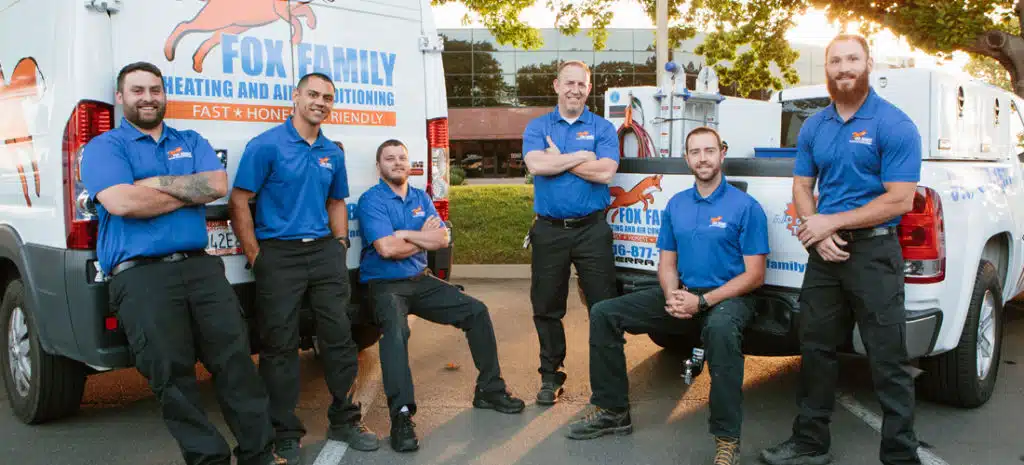
By reaching out to Fox Family Heating and Air Conditioning, you can schedule a full HVAC inspection before you buy your next Sacramento-area home. Learn more by reaching out to our technicians today.
FAQs
Should I get the HVAC inspected before buying a house?
Getting an HVAC inspection can save you a significant amount of money in the long run. A new heat pump alone can cost between $4,238 and $7,941. If the technician discovers that something is wrong with the unit, you can negotiate a price drop or ask the seller to cover repairs instead of paying for everything yourself later on.
How old is too old for an HVAC system?
It depends on the type of unit, how much it has been used, and whether consistent maintenance has been performed. A furnace should generally be replaced after the 15-year mark. Meanwhile, heat pumps and air conditioners are more likely to require replacement after the 10-year mark.
Unfortunately, younger units can still need a replacement if they haven’t been cared for properly. The only way to know for sure if the HVAC unit is in poor condition is by having it inspected by a professional.
Can HVAC problems affect a home sale?
Absolutely. If you are selling a home that has a faulty HVAC system, the buyer can request repairs or a lower price if there is any type of inspection contingency.
Additionally, prospective buyers may decide not to make an offer if they know that the HVAC system is malfunctioning. HVAC repairs are costly, and a home that needs a new unit likely requires other repairs as well. Even if the prospective buyer makes an offer, they will likely lower the bid to reflect their expected repair costs.
What HVAC records should a seller provide?
Sellers are not legally required to disclose maintenance records and HVAC receipts. However, sellers in California must disclose mechanical issues, prior permits, and the overall condition of the system. Sellers have to provide a Transfer Disclosure Statement indicating whether the HVAC system is in working order and identifying any known defects.
Buyers can also ask any questions they want before they close. Even if the buyer isn’t obligated to disclose maintenance records o