Why Is My Furnace Leaking Water? Causes and Fixes
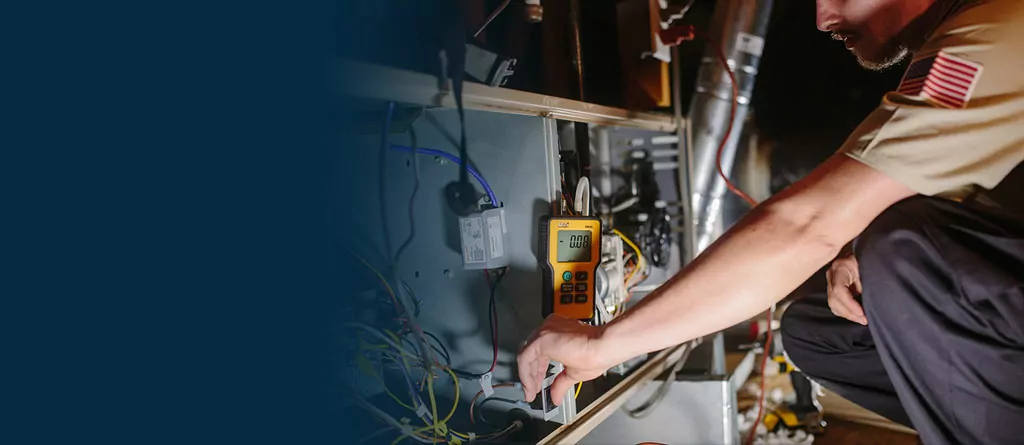
You switch on the furnace during a chilly night, expecting to quickly enjoy a toasty, warm home. While the furnace seems to be working, you quickly discover that a puddle of water is starting to form. Fortunately, leaking water may not necessitate major repairs. To learn more about common causes and how to fix this malfunction, read on.
Water Around a Furnace Deserves Your Attention
Some furnaces produce condensate that is drained through the condensate drain line. For example, high-efficiency natural gas furnaces require this type of setup. While some condensate is normal, an active leak is never something you should ignore.
Getting Alerted to the Problem
Initially, you may not realize that a leak is happening. It may look like a puddle near your furnace or a damp utility room floor. In some cases, this issue isn’t discovered until a heating service call for something else. Once the issue is discovered, it needs to be addressed right away to prevent water damage and problems for your furnace.
Why Water Leaks Occur and What You Can Do About Them
If you’ve just discovered a puddle in your home, our furnace leak guide can help you determine safe first steps. We’ll clearly describe when you need to call for service and when you can handle it on your own. When in doubt, you can always reach out to Fox Family Heating and Air Conditioning with all of your furnace questions and concerns.
First Step: Figure Out Where the Water is Actually Coming From
The first step is to determine whether your furnace leak is coming from a nearby AC drain, humidifier, or plumbing problem.
Confirm the Source
To determine if the leak is due to your furnace or plumbing system, pay attention to when it occurs. If it only happens during heat operation, it is likely the furnace. Once you’ve confirmed that it is likely the furnace, see if the leak is occurring near the drain line, the furnace cabinet, or an accessory component.
Why Location Matters
The location of the leak matters because it determines what is wrong. Leaks are often due to the condensate drain line, but they can also occur because of an added accessory or an issue that is completely unrelated to your furnace.
Most Common Reasons a Furnace Leaks Water
To get a better understanding of what could be going on, let’s look at some of the most frequent reasons why a furnace might leak water.
Clogged Condensate Drain Line or Trap
This is by far the most common reason. Modern high-efficiency gas furnaces rely on condensation lines to remove condensate. If this line is blocked, it can overflow. Often, you can use a wet/dry vacuum to remove the clog or flush it with vinegar.
Broken Condensate Pump
When the condensate pump starts to fail, you may notice a leak, a constant humming noise, or frequent system shutdowns. Unfortunately, this is not a DIY problem. You’ll need to have the pump repaired or replaced by a professional heating, ventilation, and air conditioning (HVAC) technician.
Dirty Filter or Airflow Issue
Sometimes, a leak happens because of a dirty air filter or poor airflow. When airflow declines, it causes the system to work harder and can disrupt drainage.
Humidifier or Water Line Leak
If you have a humidifier or water line set up, there may be a leak. Whole-home humidifiers are incredibly effective tools during dry weather, but the feed and drain lines can sometimes leak. Because whole-home humidifiers are connected to your HVAC system, it can appear like the leak is coming from your furnace.
Venting or Internal Component Problem
Sometimes, vent slope issues, a blocked vent, or a different internal component can cause added dampness or a leak. Because these situations can be complex to diagnose, they are best left to the professionals.
What To Do Right Away if You See Water Around the Furnace
As soon as you notice a leak, there are a few practical steps you can take to prevent additional damage.
Shut the System Down if the Leak Is Active
If you have an active leak and visible water buildup, you should immediately shut the furnace down. Excess water can result in mold growth, rust, and safety shutdowns, so you shouldn’t allow the furnace to remain on.
Protect the Area and Check the Obvious
Once the furnace is off, do what you can to protect your flooring and clean up the water. Then, you can try to troubleshoot basic problems, like changing the air filter. If this does not work, you should call one of our HVAC technicians for furnace repairs and an accurate diagnosis.
When the Problem Might Not Be the Furnace at All
While it may initially appear like the furnace is causing the leak in your home, this may not be the case. Plumbing problems, drain malfunctions, and issues with the indoor coil can also cause moisture buildup inside your home. Because of this, it’s always a good idea to consult with an expert to determine the root cause.
Indoor Coil or Drain Issue
Often, a home’s AC will be located near the furnace. Because ACs have drain lines as well, the moisture could be due to the AC’s drain line overflowing.
Additionally, an AC’s evaporator coil can freeze if the unit is dirty, has low refrigerant levels, or needs a clean filter. When this happens, the ice buildup can melt and cause puddles of water.
Plumbing or Drain Source Nearby
Sometimes, the real culprit is a nearby water heater, drain, or plumbing line. Because of this, it’s essential to confirm the source of the leak before assuming that it’s the furnace.
When Repair Makes Sense and When Replacement Is Worth Discussing
If the furnace is the cause of the leak, your basic options are to repair or replace the furnace. The right choice will depend on the frequency of furnace problems, the overall cost of repairs, and how old your unit is.
Good Repair Candidate
Getting furnace repairs is often a good idea if you have a relatively new furnace and have had minimal drain issues before. Additionally, repairing a simple clogged drain line or isolated accessory is often fairly inexpensive and easy to do.
Key Triggers for a Replacement Conversation
Investing in a furnace replacement is likely the better choice if you’ve been dealing with frequent repairs. As furnaces reach the end of their lifespans, repairs become more likely. Once they start losing energy efficiency and needing more repairs, it’s typically better to replace the unit completely. On average, the typical furnace will last around 15 to 20 years.
The total cost and complexity of the repair also matter. If there are major internal issues, it makes sense to simply get a new unit.
FAQs
Is it normal for a high-efficiency furnace to produce water?
Yes and no. Condensate is a part of the furnace’s design, so there should be water going into the condensate drain line. However, there should not be any visible leaking or pooling. If you see water coming from your furnace, you should turn off the furnace and schedule repairs right away.
Can a dirty filter make my furnace leak water?
When the filter is dirty, it restricts the airflow and makes your system have to work harder to keep your home at the appropriate temperature. These longer run times can stress the furnace, resulting in extra condensate. In turn, the extra condensate and higher workload can potentially damage the drain line, drain pan, and other components. To ensure proper airflow for your unit, you need to change the filter every one to three months.
Why is there water around the furnace only when it is heating?
This is a leading sign that the furnace is the source of the water. If water only builds up when your furnace is active, your condensate drain line, humidifier, or a similar furnace-related issue is the cause. While a clogged condensate drain line is the most common reason, it’s important to get a professional diagnosis so that you can get accurate repairs.
Should I shut the furnace off if it is leaking?
A furnace leak means that something is wrong with your furnace. You should immediately shut off the furnace to avoid additional damage to your furnace and to stop the leak from harming your home. Once the furnace is off, protect your flooring and use towels to clean up the water. Afterward, you should schedule an HVAC appointment to get the problem addressed.
Diagnose Your Furnace Problems Today
When an HVAC disaster strikes, you don’t have to deal with it alone. At Fox Family Heating and Air Conditioning, our team of experienced HVAC technicians understands what local Sacramento and Rancho Cordova homes need. From timely repairs to a convenient maintenance plan, we can help you achieve a more energy-efficient, comfortable home.
Are you struggling with a mystery leak near your furnace? Our team can help. For an accurate leak diagnosis and fast repairs, reach out to Fox Family Heating and Air Conditioning today.