Thermostat Fan On vs Auto: Which Setting Should Sacramento Homeowners Use
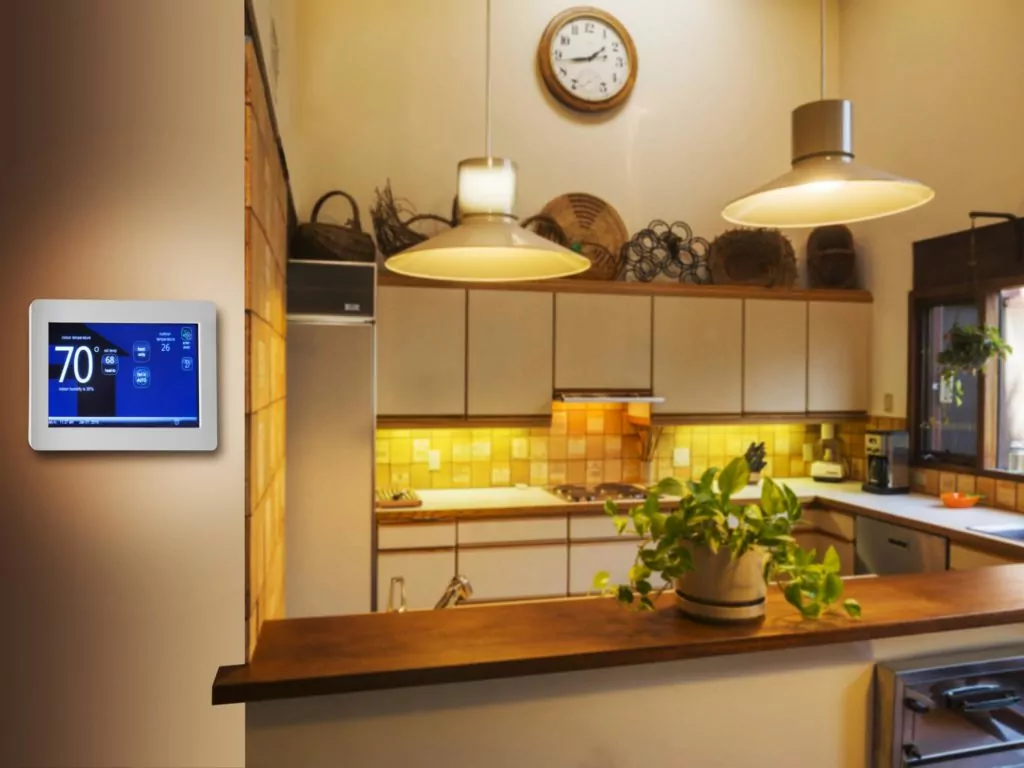
If your home’s indoor temperatures aren’t comfortable, your fan settings may be at fault. Most people don’t think about how their fan settings affect their family’s comfort. While they might sound similar, the “auto’ and “on” have different effects.
What the Fan Setting on Your Thermostat Controls
On your thermostat controls, you have an “on” and “auto” setting. These are designed for different purposes, so it’s important to understand how they work.
What “Auto” Means
The “auto” setting essentially means your fan turns on when a set temperature is reached. While this means air circulates less in your home, it also improves your energy efficiency.
Fan Runs Only During Heating or Cooling Cycles
If your fan is set to “auto” mode, you can tell by checking your thermostat or noting when your fan switches on. In this setting, the fan will only run when a heating or cooling cycle is on.
What “On” Means
Meanwhile, the “on” mode will keep your fan on continuously. Although this means the fan uses more energy and the wind-chill effect may make the home feel chillier in the winter, the added circulation is great for keeping your family comfortable during the summer.
Fan Runs Continuously, Even When the System Is Not Heating or Cooling
Once the “on” setting is selected, your fan will be on whether your system is heating and cooling your home or not. If you put your hand next to a vent, you will always feel airflow.
The Case for Using “Auto” in Sacramento Homes
There isn’t a single mode selection that works for every Sacramento home on every day and season. Both modes offer different benefits for specific situations.
Lower Energy Use
With “auto” mode, you’ll typically save money on energy consumption. This makes it a common default option in local homes.
Why Auto Usually Costs Less to Run
This mode costs less to run because your fan isn’t on all the time. If your energy bill is a major concern, this option is a good one to choose.
Less Wear on the Blower Motor
Another advantage of “auto” mode is that it leads to less wear on the blower motor, decreasing the likelihood of premature repairs.
Why Constant Fan Operation Can Shorten Component Life
When a fan is used constantly, the motor has to run for longer periods of time. As a result, the blower motor can break prematurely.
Longer Filter Life
Normally, filters should be changed every 30 to 90 days. With “on” mode, you often have to change the filter more frequently than this rate.
Why Filters Get Dirty Faster When the Fan Runs All Day
A fan that runs all day is constantly bringing in air through the filter, which causes the filter to become dirty much earlier than it otherwise would.
Better Summer Efficiency
When temperatures start to rise, using “auto” mode can help you save money.
How Continuous Fan Use Can Pull Warm Attic or Wall Air Through Leaky Ducts
If your fan is on constantly, it affects the pressure in your home. Warm attic and wall air can get pulled through leaks in your ducts.
Besides leading to dirtier filters, this situation also means your air conditioner will have to work extra hard to cool the air. This is because moisture normally condenses on the evaporator coil between cycles, so constant fan operation pulls the moisture in your home. When your heating and cooling system eventually turns on again, it has to work harder to reduce your indoor humidity.
When the “On” Setting Can Be Helpful
While there are advantages to using “auto” mode, there are also situations where using “on” mode is the best choice.
Uneven Temperatures Between Rooms
Constant air circulation is effective when your home is experiencing uneven temperatures. By keeping the air moving, you can gradually reduce the temperature differential.
Homes With Hot Upstairs Rooms or Cold Back Bedrooms
This is particularly important in homes that have hot upstairs rooms, cold back bedrooms, or south-facing rooms with a lot of windows. The added circulation helps to move air from hotter and cooler rooms so that your heating, ventilation, and air conditioning (HVAC) system doesn’t have to work as hard.
Indoor Air Quality (IAQ) Concerns
When wildfire season arrives, or Sacramento’s smog rolls through, it affects your whole family’s respiratory health. For people who suffer from asthma, allergies, and other respiratory illnesses, IAQ concerns can be particularly challenging.
More Air Passing Through the Filter
Switching your fan on can improve your air quality. More air is sent through your filter, removing harmful particulates. During our worst air pollution days, it’s a good idea to adjust your fan’s settings.
When Upgraded Filtration May Help
If changing the mode doesn’t impact your air quality enough, you may need a filtration or IAQ upgrade. Our HVAC technicians can quickly test your home’s air quality and help you set up the right IAQ options for your needs.
Short-Term Odor or Stale Air Issues
Sometimes, homes will have odors from burned food or stale air following a long vacation. In these situations, it makes sense to turn your fan on longer.
Temporary Air Circulation After Cooking, Cleaning, or Guests
After using a lot of cleaning products, cooking food, or hosting guests, your home may have new odors. It only takes a few hours of runtime to remove unwanted smells.
Downsides of Leaving the Fan On All the Time
While there are benefits to using “on” mode, homeowners need to weigh these advantages against the higher electricity bills, frequent filter changes, increased wear, and comfort changes.
Higher Electricity Bills
If a fan is on all the time, you’ll use more electricity to run the fan. Often, air will be pulled in through your duct leaks when the fan is on, so your HVAC system will also have to use energy to condition more air.
More Frequent Filter Changes
Whenever the fan is on longer, it will collect more pollutants from the air. As a result, your HVAC system will require more filter changes.
More Blower Motor Wear
Similarly, your blower motor will wear down earlier if it is left on all the time.
Possible Drafty Feeling Indoors
When the air keeps circulating, it can lead to a drafty feeling. While this might feel great in the summer, a draft can make you feel chilly during the wintertime.
Reduced Cooling Comfort in Some Homes
The added strain on your system can reduce your cooling performance and comfort. However, this will also depend on your HVAC maintenance, capacity, and similar factors.
Best Fan Setting for Sacramento’s Climate
In Sacramento’s unique climate, there are specific situations where each type of fan mode should be used.
Use “Auto” for Everyday Efficiency
For the maximum everyday efficiency, we generally recommend using “auto” mode as your go-to option.
Best Choice During Hot Sacramento Summers
In particular, “auto” is useful during our hot summers. The change in pressure can pull air in through your duct leaks when you run the fan. By using the fan less, you can avoid this problem and spend less money running your AC.
Use “On” Temporarily for Air Circulation
Meanwhile, we recommend using “on” to solve temporary problems. This helps you achieve the benefits you need without drastically increasing the wear on your unit or your energy costs.
Best for Short Comfort or Air Quality Needs
In general, the “on” mode is ideal for short-term comfort or IAQ problems. You can turn this mode on when you’re cooking or when smog is present. If you have uneven temperatures during especially hot afternoons, you may want to temporarily run the fan to achieve more even levels of comfort.
Consider “Circulate” if Your Thermostat Has It
If your thermostat has the “circulate” setting, you can use it to circulate air at a low setting. Often, modern thermostats will also let you run the fan for a set amount of minutes every hour, which is great for temperature balancing.
A Middle-Ground Option Between “Auto” and “On”
This option is basically a middle-ground option. You get some of the enhanced comfort and IAQ benefits of “on” mode, but you also get to have less on energy costs and HVAC wear.
When Fan Setting Problems Point to a Bigger HVAC Issue
Adjusting your fan settings is the first step toward adjusting comfort and airflow issues. If this change doesn’t help, it’s important to reach out to one of our HVAC technicians to diagnose the underlying problem. The following symptoms are signs that you need professional assistance.
Rooms Still Feel Uneven in “On” Mode
If your room temperatures feel uneven after continuously circulating air, you may be dealing with leaky ducts, airflow restrictions, poor insulation, or other issues.
Fan Runs Constantly Even in “Auto” Mode
Your fan should only be running when your heating and cooling system is on. If it runs continuously, you may have a shorted wire, a stuck fan relay, or an issue with your thermostat.
Weak Airflow From Vents
Blower motor problems, leaky ducts, obstructed vents, and frozen coils are just a few of the problems that can result in poor airflow.
Dust Builds Up Quickly After Filter Changes
This type of symptom is often related to leaks and gaps in your ductwork. Our experienced HVAC technicians can help by inspecting your ductwork and sealing any leaks we find.
Final Recommendation for Sacramento Homeowners
As a homeowner, you can follow a general rule of thumb about when to use each fan mode.
Start With “Auto,” Then Adjust Based on Comfort
Homeowners should start by switching their thermostat to “auto” mode as the default option. Then, “on” mode can be used temporarily when there are specific IAQ problems, comfort concerns, or odor issues.
Schedule Service if Airflow or Comfort Problems Continue
Consistent airflow and comfort issues indicate that something is wrong with your HVAC system. Over time, minor issues can escalate into costly repairs and unexpected breakdowns. Our team can help you maximize your family’s comfort this summer through our convenient maintenance inspections, same-day services, and trusted technicians.
Book your next HVAC inspection today.