Why Your Furnace Turns On Then Off Quickly: Short Cycling Explained
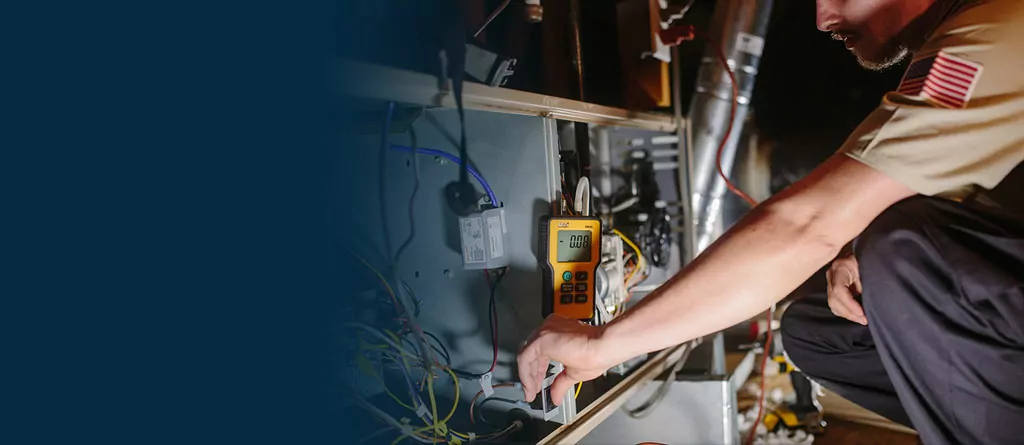
You’ve just curled up with a good book and a blanket. In the distance, you can hear the furnace kick on. Before you can even finish the page, it suddenly shuts off and leaves your home feeling chilly.
Unfortunately, this type of problem is common in Sacramento. If your furnace is short cycling, it can immediately cause comfort issues and more expensive energy costs. Over time, it will also increase wear on components. Short cycling can also be due to a safety shut-off, so this isn’t an issue that can be ignored.
By understanding the warning signs and when to call a professional at Fox Family Heating & Air, you can keep short cycling from impacting your comfort and energy bills this winter.
What Is Furnace Short Cycling? (And Is It Ever Normal?)
Short cycling is when a heating cycle starts, ends, and restarts too soon. When your system is operating properly, you’ll normally notice two to three runtimes per hour and a consistent indoor temperature.
In many cases, short cycling is a safety response triggered by your system to prevent damage. Because of this, it’s important to address the underlying problem.
| Short Cycling | Normal Cycling |
Frequency | The system restarts frequently, often within minutes. | Cycles occur two to three times an hour or less. |
Wear | It can lead to significant wear and can damage your heat exchanger or blower. | It only causes normal levels of wear. |
Repairs | This can result in significant repair costs. | Normal cycling does not result in any extra repairs. |
Energy Consumption | Short cycling increases your home’s energy consumption. | This type of cycling results in normal energy consumption. |
Comfort | Besides struggling to reach the appropriate temperature, a system that has short cycles may also have other comfort-related issues, such as poor air quality and incorrect humidity levels. | Normal cycling results in a comfortable home and consistent indoor temperature. |
Key Signs Your Furnace Is Short-Cycling
You may be experiencing short cycling if:
- Your furnace shuts off within a few minutes of starting.
- It immediately starts again right after it stopped.
- Your home experiences uneven temperatures.
- It doesn’t feel like your home is heating up all the way.
- Your furnace seems to run intensively, but it doesn’t actually result in a warmer home.
- You notice frequent thermostat “calling” without an improvement in comfort.
- Your energy bills have gone up without any significant change in the weather.
- You hear loud start and stop sounds, clicking, or whooshing.
Important Safety Note: If you notice a burning odor, gas smell, soot, or repeated breaker trips, immediately stop using your furnace and call for help.
Most Common Causes of Furnace Short Cycling
To get a better understanding of how furnace short cycling works, let’s look at common causes, what you can check, and how a professional can help.
Dirty Air Filter or Restricted Airflow
Any airflow problems, like clogged filters, closed vents, and blocked returns, can cause the furnace to overheat. In turn, this can cause your limit switch to trip and shut down the furnace.
You can troubleshoot by replacing the air filter. Then, open your vents and make sure your return grilles are clear.
Thermostat Problems
If the thermostat’s location, calibration, wiring, or settings are wrong, it can lead to short cycling. For instance, placing a thermostat in the sun can cause it to shut off early.
Troubleshoot this malfunction by checking the batteries and temperature settings. Also, make sure the thermostat isn’t placed in the sun or a draft.
If these DIY tips don’t work, call a heating, ventilation, and air conditioning (HVAC) technician for help. We’ll evaluate the unit’s wiring, calibration, and setup to ensure it’s working correctly.
Flame Sensor Issues
For gas furnaces, a faulty flame sensor will shut off the furnace right away because it can’t detect the flame. The best way to fix this is by calling an HVAC technician for a professional burner inspection, cleaning, or replacement.
Overheating Due to Blower or Ductwork Issues
Blower motor issues, duct restrictions, and dirty blower motor wheels can cause high static pressure, which triggers a safety shutoff. With the help of a professional, you can test the blower, airflow, and ductwork for signs of a problem.
Blocked Venting or Intake
When an intake or vent is blocked on a high-efficiency furnace, it can cause a pressure switch fault and safety shutoff. On your own, you can look for signs that the visible exterior vent termination has a blockage. For a full venting inspection and combustion analysis, call a professional.
Limit Switch or Rollout Switch Tripping
If a limit switch or rollout switch triggers the furnace to shut down to prevent flame rollouts and overheating, this is an immediate safety issue. Immediately call a professional to investigate and fix the root cause.
Oversized Furnace
An oversized furnace will heat too fast and shut off right away. As soon as the temperature dips again, it will switch back on and do the same cycle. Besides impacting your energy bill, this can cause major swings between temperatures and less even heating performance.
Dirty Burners or Gas Pressure Issues
Poor combustion can result in shutdowns and make your furnace operate erratically. This issue must be fixed by a professional HVAC technician. Once one of our team members arrives at your home, they can ensure proper combustion by cleaning the burners and checking your manifold pressure.
Condensate Drain Problems
A condensing furnace relies on a condensate drain line. If it becomes clogged, the float switch will trip. You can check for the drain line blockage on your own if it is visible. Otherwise, you can call a professional to get the line cleared and trap checked. We will also verify proper pitch before we leave to prevent this from happening again.
What To Check First: A Safe, DIY Checklist
If you need immediate help with your furnace’s short cycling, try the following checklist.
- Set the thermostat to “Heat” mode and raise the temperature by 2℉ to 3℉ to see how the unit responds.
- Replace the air filter with a correctly sized filter.
- Ensure your supply vents and return are open and unobstructed.
- Check your furnace power switch.
- Make sure your panel door is closed all the way.
- Listen to see if the furnace ignites and shuts off right away, which indicates a flame sensor problem.
- Repeated shutdowns are signs of an issue. When this happens, turn off your furnace and schedule professional diagnostics.
Don’t DIY These Tasks
- Electrical component testing
- Gas pressure checks
- Burner adjustments
- Bypassing safety switches
When Short Cycling Becomes an Emergency
You should immediately stop using your furnace and call for help if you notice any of the following symptoms.
- The smell of rotten eggs or burning odors
- Soot around your furnace cabinet or vents
- Repeatedly tripped breakers
- A carbon monoxide alarm going off
- Visible flame rollout
- Booming when the furnace ignites
How a Technician Diagnoses Furnace Short Cycling
Once you reach out to our team, an HVAC technician will quickly come to your home to perform the following diagnostics.
- Confirm your thermostat is working correctly.
- Look for error codes.
- Review your safety switch history.
- Perform airflow and temperature rise testing.
- Inspect the flame sensor, burners, and venting.
- Test the pressure switch, inducer, and blower performance.
- Confirm that your sizing is correct.
- Check ductwork for performance issues.
How To Prevent Furnace Short Cycling
To avoid these problems in the future, remember to perform the following preventative steps.
- Replace filters according to your manufacturer’s replacement schedule. If your home has dust, allergies, or pets, it should be replaced more often.
- Ensure returns and vents are clear and open.
- Schedule seasonal tune-ups to catch common problems before they result in unexpected repairs.
- Ask for an airflow and duct pressure check if you’ve experienced repeated cycling.
To prevent future issues, join our membership plan. Besides complimentary tune-ups, it also includes priority scheduling and special discounts for members.
FAQs
Why does my furnace turn on and off every few minutes?
This is known as short cycling. It often stems from a dirty, worn, or faulty component. To avoid high energy costs and more frequent repairs, it’s essential to get this symptom looked at.
Can a dirty filter really cause short cycling?
Absolutely. When airflow is low, it can result in the furnace overheating. In turn, this causes the furnace to switch off as a safety mechanism.
Why does my furnace start, ignite, then shut off right away?
This is known as short cycling. It can be caused by multiple problems, but dirty heat sensors and clogged air filters are the most common issues.
Is furnace short cycling dangerous?
Yes, it is. Repeated short cycling can crack the heat exchanger, leading to carbon monoxide leaks in your home. It is also a potential fire hazard.
Will short cycling increase my energy bill?
The frequent on-and-off cycles lead to higher energy consumption because the start-up phase is the most energy-intensive part of the cycle. This type of cycling also prevents your furnace from reaching its optimal temperature, leading to higher energy consumption. Over time, short cycling will lead to significantly higher energy bills.
Can an oversized furnace be adjusted, or does it need replacement?
There are steps we can take to adjust the furnace, such as reducing the burner rate or blower speed. However, in many cases, the most effective option is to get an accurately sized furnace replacement.
What does a faulty flame sensor look like in real life?
If you’re looking at it, you’ll likely notice soot buildup, corrosion, or cracked porcelain. A faulty sensor may struggle to detect the flame, so it will likely cause short cycling when your unit is on.
How do I know if it’s the thermostat or the furnace?
When you adjust the temperature, listen for a click. This indicates the thermostat is correctly triggering the furnace to turn on. You can also troubleshoot thermostat issues by verifying that it is set correctly and changing batteries. For more extensive checks, reach out for professional help.
Keep Your Furnace From Short Cycling
While short cycling is typically fixable, it is important to catch it early. Otherwise, a minor problem can escalate into a costly, inconvenient breakdown. By performing routine maintenance, you can prevent this issue from recurring.
Concerned about your furnace’s on/off cycles? Schedule a diagnostic appointment with Fox Family Heating and Air Conditioning today.