Wildfire Smoke and Your HVAC: Filters, MERV, and IAQ for the Sacramento Area
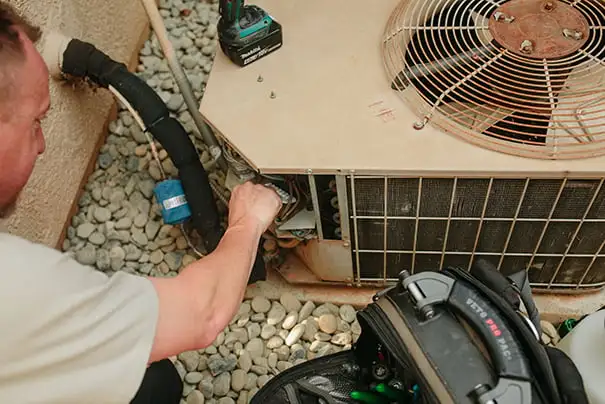
Each summer and fall, the wildfire smoke seems to be getting worse in Sacramento. Even when you’re hundreds of miles away from a wildfire, the smoke can infiltrate your home and end up stressing the HVAC system. Worse still, it can impact the health and well-being of your family.
At Fox Family Heating and Air Conditioning, our heating, ventilation, and air conditioning (HVAC) technicians are used to working in the local region. We understand the perils of Sacramento wildfire smoke and which HVAC solutions can alleviate the issue. By reaching out for more information about wildfire smoke and HVAC options, you can improve your indoor air quality (IAQ) and prevent smoke from damaging your existing unit.
How Wildfire Smoke Affects Your Home HVAC System
When wildfire season begins, it can take a toll on your home’s HVAC systems. As the fine smoke particles get inside, they can clog your unit’s air filters. This reduces the flow of air, resulting in higher energy usage.
Because your system has to work harder to cool your home, extra strain is placed on the blower motors and coils. Over time, this increases the likelihood of unexpected breakdowns, repairs, and replacements.
In Sacramento, there are more days with high air quality index (AQI) readings. Recurring regional smoke and long-duration wildfires mean that IAQ issues are more than a minor problem. Without the right HVAC filters for wildfire smoke, your family can experience increased allergy and asthma problems. Even when your windows are closed, you may smell the odor of smoke and experience poor air quality.
Understanding MERV Ratings and Why They Matter During Smoke Events
The minimum efficiency reporting value (MERV) is a metric that represents how effective filters are at removing particles from the air. A higher MERV rating means the filter can remove smaller particles from the air. For example, the following are the particulate sizes you can expect for some of the most common MERV ratings.
- MERV 8: This level is ideal for removing dust and pollen. It is not effective for smoke particles.
- MERV 11: With a MERV 11, you can capture smaller particles. This is a good starting point for your home.
- MERV 13: This level is the recommended option for wildfire smoke. It can capture particles as small as one to three microns, making it ideal for smoke.
Before you get a MERV-rated filter, you should always check to see if your system is compatible. Higher filtration restricts airflow, which can impact your HVAC performance if your unit isn’t rated for the higher level. Because of this, you should always read through the manufacturer’s guide or talk to an HVAC expert before upgrading your MERV filter.
What Type of HVAC Filter Works Best for Wildfire Smoke?
When it comes to protecting home air quality from wildfires, there are different levels of filtration. Besides considering the MERV rating during wildfire season, you should see what type of filtration works with your system, the cost, and potential drawbacks.
Pleated High-MERV Filters
Pleated high-MERV filters are known as the best HVAC filter for smoke for a few key reasons. They are the most practical solution because you don’t have to install anything extra. All you have to do is switch out your existing filter. Once installed, a high-MERV filter offers an excellent balance of performance and system compatibility.
You should always check with your manufacturer’s guide to see what the maximum MERV rating is for your unit. MERV filters cause increased airflow resistance, which causes your HVAC system to work more and can lead to higher energy bills.
HEPA Filtration
HEPA filtration is an add-on solution for existing HVAC installations. Basically, a whole-home HEPA bypass system is installed that filters your home’s air alongside your HVAC system.
When it comes to disadvantages, homeowners need to remember that HEPA filters need to be replaced frequently and are ineffective for volatile organic compounds (VOCs). Additionally, they can restrict airflow in your HVAC system.
Activated Carbon Filters
When considering Sacramento wildfire smoke and HVAC upgrades, it’s also a good idea to consider an activated carbon filter. These filters are excellent at reducing foul odors and the concentration of VOCs in the air. Activated carbon has a large surface area and is considered a porous material, so it can absorb odors.
However, it’s also worth noting that they are less effective at reducing pollen, dander, and other allergens from the air. They also tend to be more expensive than standard filters.
Electronic Air Cleaners
Electronic air cleaners are a good option for collecting finer particles, dander, and allergens. They are also known for being quite cost-effective.
These units require frequent maintenance and don’t remove odors. Some electronic air cleaners can produce ozone, which can negatively impact your respiratory health. Before installing this option, check to see if it creates ozone.
How Often Should You Change Filters During Wildfire Season?
Besides deciding on solutions to wildfire smoke and HVAC upgrades, there are a few other things you can do to improve your indoor air quality. Normally, we recommend changing air filters every 30 to 90 days. However, during periods of heavy smoke, this frequency should be shortened to between two and four weeks. When smoke levels are extreme, you may even need to change it every one to two weeks.
You may need a filter change if you notice any of the following symptoms.
- Decreased airflow
- Longer HVAC run times
- Increased indoor smoke smell
- Dust buildup around your vents
Should You Run Your HVAC System During Wildfire Smoke Events?
This is a common misconception. While it makes sense to worry about the impact of indoor air quality and wildfire smoke on your HVAC system, your HVAC unit is necessary for ensuring safe, clean air for your family. To protect your family and your HVAC system, you should use recirculation mode. This reduces the amount of smoke that the HVAC unit has to process.
Besides using recirculation mode, you should keep your windows and doors closed. Don’t use swamp coolers, whole-house fans, or attic fans because these systems introduce outdoor air into your home. Unless you have an advanced circulation system, you should avoid using outdoor air as much as possible.
Indoor Air Quality (IAQ) Solutions for Wildfire Smoke
When it comes to indoor air quality and wildfire smoke, investing in the right IAQ systems will greatly impact the health and well-being of your family. High-quality IAQ solutions can reduce smoke particles, allergens, and dust, so your family experiences fewer allergy symptoms. Because of all of these factors, IAQ solutions can improve your family’s breathing and lead to better respiratory health.
DIY Steps Homeowners Can Take To Improve IAQ During Smoke Events
If you want to improve your IAQ during smoke events, try using the following simple steps.
- Instead of having your HVAC constantly on, switch it to “auto” mode.
- Seal gaps around your doors and windows to prevent smoke from getting in.
- Replace your air filters more frequently. During the worst periods of wildfire smoke, you may need to do it every one to two weeks.
- Make sure your indoor surfaces are free of dust.
- Set up portable HEPA purifiers in your bedrooms, so your family can breathe easy at night.
- Avoid using candles, incense, or other indoor air pollutants during major smoke events.
When To Call a Professional HVAC Technician
If you’re dealing with wildfire smoke and HVAC issues, there are a few important signs that you may need to reach out for professional help.
- Your system’s airflow dropped significantly.
- It constantly smells like smoke indoors.
- Your vents and coils have accumulated a lot of sun-blocking soot.
- The air filter clogs quickly after you replace it.
- You want to learn more about getting a HEPA filtration or high-MERV upgrade.
Whether you want to learn about air purifiers vs. HVAC filtration for smoke or simply need a tune-up, Fox Family Heating and Air Conditioning can ensure your home is ready for wildfire season.
Why Sacramento Homeowners Trust Fox Family Heating and Air Conditioning
If you’re struggling with wildfire smoke in your HVAC system, Fox Family Heating and Air Conditioning can help. Local homeowners turn to us for a few key reasons.
- Local Experts: Our family-owned company understands the local climate in Sacramento, so we know exactly what homeowners need from their HVAC systems.
- Wildfire Experience: Because of our local knowledge, we know how to address wildfire-season IAQ issues.
- Honest Recommendations: Through our honest customer education and no-pressure recommendations, you can get the support you need.
- Trained Technicians: We only work with licensed, highly trained technicians.
- Top-Rated Services: Our team has a track record of thousands of 5-star reviews.
- Fast Response Times: During high-smoke events, you can count on our fast response times and rapid results.
Enjoy Cleaner, Healthier Air This Year
Looking for cleaner indoor air this wildfire season? When it comes to navigating Sacramento wildfire smoke and HVAC solutions, Fox Family Heating and Air Conditioning is here to help. Call today for help boosting your HVAC airflow, determining the right air filter, and installing IAQ upgrades.